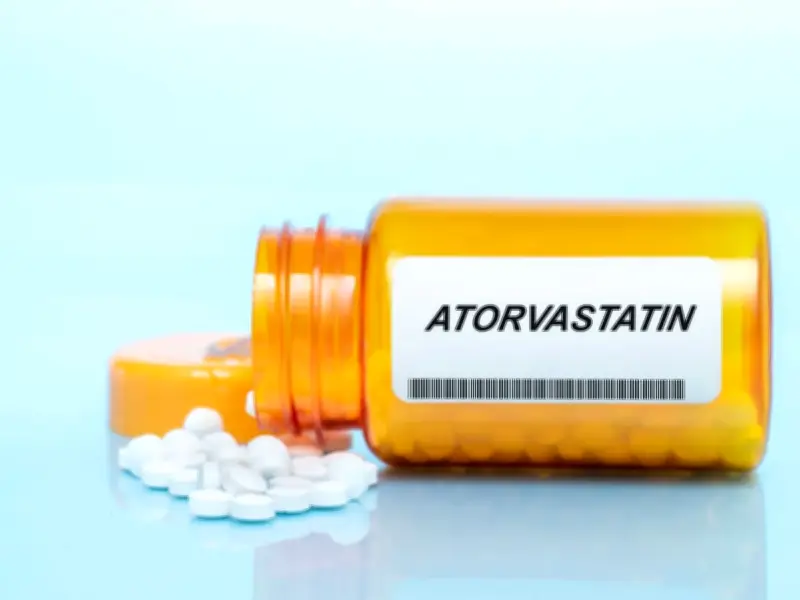
People with high cholesterol can lower their levels through exercise and diet, but some still need statins, according to medical experts responding to a patient's query about avoiding medication.
The patient had asked: "I have high cholesterol, but when I tried statins, I didn't like the side effects. What are non-pharmaceutical ways to lower my cholesterol?"
What causes high cholesterol
The NHS defines high cholesterol as having excessive amounts of a fatty substance called cholesterol in your bloodstream. It states that it is predominantly triggered by consuming fatty foods, inadequate physical activity, being overweight, smoking and drinking alcohol, and can also be hereditary.
The health service advises that you can reduce your cholesterol through healthy eating and increased physical activity. Some individuals also require medication such as statins.
The NHS continues: "Too much cholesterol can block your blood vessels. It makes you more likely to have heart problems or a stroke. High cholesterol does not usually cause symptoms. You can only find out if you have it from a blood test."
Exercise recommendations
Speaking in the New York Times, Dr Frank Hu, a professor of nutrition and epidemiology at the Harvard T.H. Chan School of Public Health, suggested there were lifestyle modifications people could implement before turning to statins. Dr Hu said: "When we exercise, HDL cholesterol is released into the bloodstream, where it sweeps up fatty plaque deposits in the blood vessels and transports them to the liver for disposal."
Cardiac specialist Dr Roberto Lobelo added: "The AHA (American Heart Association) recommends that all adults get at least 150 minutes of moderate exercise, or 75 minutes of vigorous exercise, per week. That can include walking, swimming, lifting weights, dancing or whatever else you enjoy and can do without injury."
"The key is to ensure that your heart rate is elevated enough. If you're struggling to keep up your end of a conversation while you're exercising, that's how you know you're working hard enough."
Dietary changes and the portfolio diet
Nutrition researcher Andrea Glenn from New York University noted that dietary choices are equally crucial, with specialists advocating the portfolio diet as an effective way to reduce cholesterol levels. The diet incorporates soy-based foods such as tofu and other plant-based proteins including beans, lentils and chickpeas; foods rich in viscous fibre such as oats, barley, psyllium husk, berries, apples and citrus fruits; nuts and seeds; avocado; and wholesome plant-based oils such as canola oil and olive oil.
An analysis of seven clinical trials involving approximately 440 participants with high cholesterol levels who did not require medication found that the portfolio diet helped reduce their LDL cholesterol by up to 30 per cent. That is roughly as effective as the older versions of statin drugs that were widely prescribed in the '90s, Dr Glenn noted.
Dr Glenn and her colleagues monitored around 210,000 US adults over approximately 30 years in a study published in 2023. They discovered that those who closely adhered to this diet had a 14 per cent lower risk of cardiovascular disease compared to those who consumed less of these foods, Dr Glenn said.
The portfolio diet is effective because it combines various foods and nutrients that tackle cholesterol reduction in different ways, she explained. Plant proteins such as beans, chickpeas and soy products, for instance, can inhibit the production of apolipoprotein B, which ordinarily helps your body absorb cholesterol from food. Viscous fibre traps or binds cholesterol in the intestines, making it more difficult to absorb. Nuts, meanwhile, are excellent sources of unsaturated fatty acids, plant sterols and fibre, all of which can lower LDL cholesterol levels.
Even incorporating or substituting a handful of foods — such as adding nuts to your morning granola or replacing red meat with chickpeas or tofu — can help improve your cholesterol levels, Dr Glenn said. "There's certainly no magic bullet," Dr Hu said. However, diet, exercise and other healthy habits can make a significant difference in helping to reduce cholesterol levels. He said, "We have to think about it from a holistic point of view."