November's Beaver Supermoon, which appears 30 per cent brighter and 14 per cent larger than an average full moon, reaches its full phase at 2.53pm today (Tuesday, November 24), according to the Royal Observatory Greenwich. A supermoon occurs when the Moon is full near its closest point to Earth, so it can look a little bigger and brighter than usual. If the sky is clear, look east around sunset to catch it rising.
Can the Beaver Supermoon Really Affect Your Sleep?
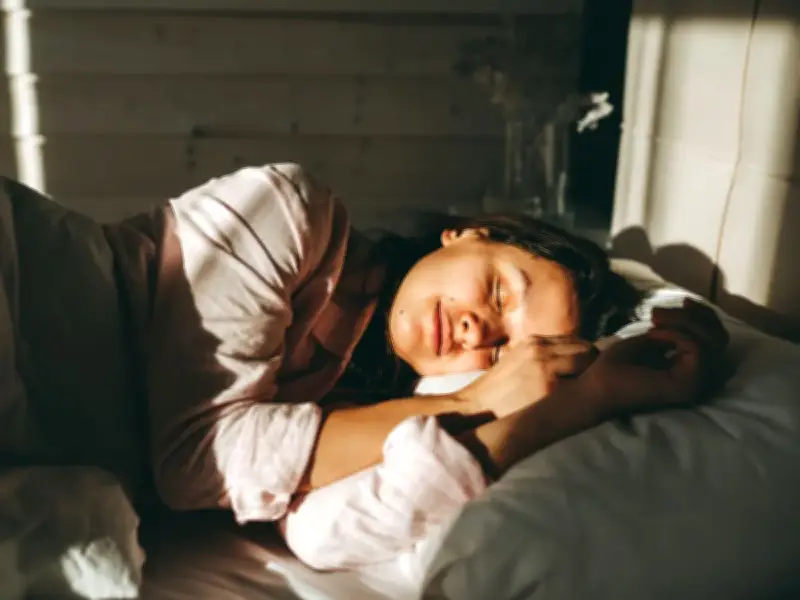
Jeff Smith, sleep expert and co-founder of Sleep ZM, explores what the research says about full moons and sleep. The most interesting finding came before the full moon. In a 2021 study published in Science Advances, researchers used wrist monitors to track sleep in three communities in Argentina with different levels of access to electricity. On average, people fell asleep latest and slept for the shortest time three to five nights before a full moon. The researchers suggested that having more moonlight available in the early evening might play a part. Their findings tell us when people fell asleep, though the study couldn't establish what kept each person up.
Four Ways a Bad Night's Sleep Can Show Up After the Beaver Supermoon
If you wake up on Wednesday feeling groggy, it might be tempting to blame Tuesday's Beaver Supermoon. Research on whether full moons affect sleep is mixed. But if you do end up getting less sleep than usual, you might notice it in your first meeting, your patience with the group chat or how early you start thinking about lunch.
A short night can leave you feeling unrefreshed when the alarm goes off. You might notice it most once the morning rush is over and you're sitting still on the train or at your desk. Too little sleep can make it harder to concentrate and slow your reactions. At work, that could look like losing your place halfway through an email or taking longer to spot a typo you'd usually catch straight away.
The train's late, someone's moved your meeting and even the group chat is getting on your nerves. A review of 154 studies found that losing sleep can dampen positive feelings and increase symptoms of anxiety, which might help explain why an ordinary morning feels harder to get through. In a small study, young adults who cut their sleep short for one night reported feeling hungrier and ate more the following day. If you find yourself opening your lunchbox before midday after a restless night, your shorter sleep could be part of the reason.
Five Ways to Sleep Better on Supermoon Night
Jeff Smith shares five ways to make your bedroom easier to doze off in. First, check the room from your pillow before you're ready to go to sleep, so you're free to get up and fix whatever you spot. Turn the lights off, lie on the side you usually sleep on and let your eyes adjust. Look towards the window, then roll over. You might find that the curtains are doing their job and the glow you keep noticing is coming from the landing or the charger across the room. Shut the door or move the charger out of your line of sight if you can.
Second, take a clothes peg upstairs. If the two curtain panels keep drifting apart, overlap them slightly and clip the fabric together where the light is coming through. A clothes peg will do. If the light is coming around the sides of a blind and you can't easily cover the gaps, a comfortable eye mask is a quick option, especially if you're renting or staying away from home.
Third, make moonwatching an after-tea plan. If the sky clears, take a look earlier in the evening. In London, the Moon is due to rise at around 3.17pm on Tuesday, so it'll already be up by teatime. Moonrise varies across the UK, and buildings or trees can hide it when it's low. Check your local time and step out when you've got a clear view, then keep your usual bedtime.
Fourth, keep the big light off when you come back in. It's easy to come in from looking at the Moon, flick on the kitchen ceiling lights and start sorting out tomorrow's lunch. If you're close to bedtime, put a side lamp on while you finish up. If you've taken photos, pick your favourite and leave the family group chat to debate whose came out best in the morning. The NHS suggests giving yourself time to wind down and avoiding screens just before bed.
Fifth, turn the clock away before you get into bed. If you wake up, seeing 3.12am can turn a brief stirring into a calculation about how long you've got until the alarm. Put your phone face down and turn any clock display away before bed. If you're comfortable and sleepy, give yourself a chance to drift off. If you're wide awake and getting frustrated, get up for a little while, read a few pages somewhere dim and go back to bed when you feel sleepy again.
If you only have time for one thing, try the pillow check. Do it before you brush your teeth. If a stripe of light lands right where you sleep, that's the first gap to close. If the room already looks comfortably dark, you can leave the curtains alone and get on with your evening.