
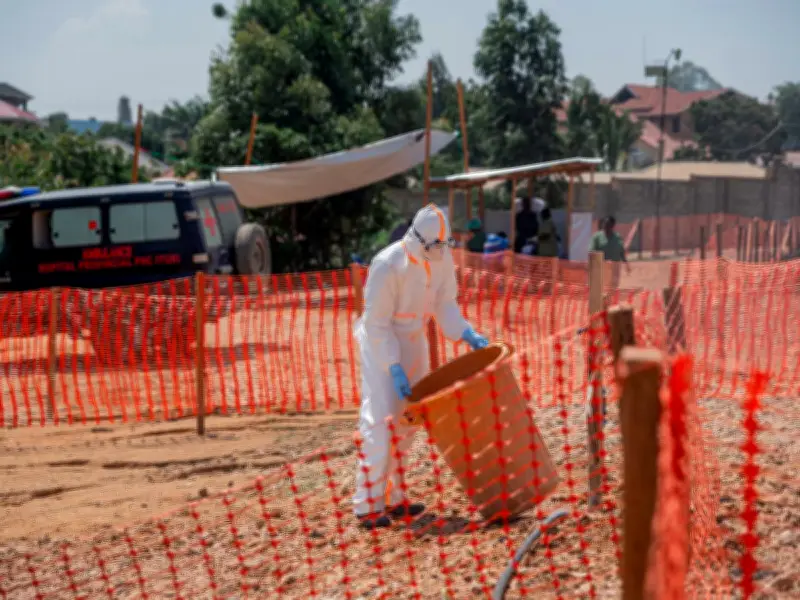
France has confirmed its first positive case of Ebola in a doctor returning from a humanitarian mission in the Democratic Republic of the Congo (DRC), the French Ministry of Health announced. The patient, who has not been identified, is in stable condition and has been taken to a specialised facility for care. They will isolate at home for 21 days while authorities conduct contact tracing. The ministry stressed that the risk to the general European population is low.
Ebola Outbreak in DR Congo and Uganda
The Congolese health ministry reported on Wednesday 1,094 confirmed Ebola cases, including 277 deaths. Uganda has also confirmed 20 cases and two deaths. The outbreak, caused by the rare Bundibugyo virus, has no approved vaccines or treatments. Officials acknowledge that the actual number of cases may be higher, and the peak of the outbreak, declared on May 15, could still lie ahead.
Expert Assessment of Risk to Europe and UK
Dr Daniela Manno, Clinical Assistant Professor at the London School of Hygiene & Tropical Medicine (LSHTM), described the case in France as "not entirely unexpected." She noted that transmission continues in eastern DRC and international travel between affected areas and Europe occurs regularly. "Case identification and contact tracing remain challenging in some outbreak-affected areas, meaning that infected individuals may seek healthcare before their exposure has been recognised," she said.
Healthcare workers are particularly vulnerable because they may encounter patients in the early stages of Ebola, when symptoms are non-specific and can be mistaken for other infections. Dr Manno emphasised that rapid identification, isolation, diagnostic testing, contact tracing, and infection prevention measures are the most effective tools for preventing onward transmission.
Low Risk to UK Public
Officials say the overall risk to the population across Europe and the UK is low. European countries have well-established protocols for detecting viral haemorrhagic fevers like Ebola. The virus does not spread through the air like influenza or COVID-19; transmission requires direct contact with bodily fluids or contaminated materials from an infected person. Dr Manno added that healthcare facilities should remain vigilant, especially when assessing travellers from affected areas with compatible symptoms.
Symptoms of Ebola
Early symptoms include fever, fatigue, headache, muscle pain, sore throat, vomiting, and diarrhoea. Severe disease can progress to bleeding complications, multi-organ failure, and death, according to LSHTM. While vaccines exist for some Ebola viruses, none are available for the Bundibugyo virus causing the current outbreak.




