French health authorities have reported the first known human case of Shamonda virus, detected in a severely immunocompromised patient who later died. The man was receiving hospital treatment in Lyon for a serious underlying illness when the infection was identified.
Shamonda virus is an insect-borne virus that primarily affects livestock, including cattle, sheep and goats. Although this is the first reported human infection, experts say there is currently no evidence that the virus spreads between people or poses a risk to the wider public. Investigations are ongoing to establish how the patient became infected and whether the virus contributed to his death.
What is Shamonda virus?
Shamonda virus (SHAV) is an RNA virus belonging to the Orthobunyavirus genus and the Simbu serogroup. It is genetically related to Schmallenberg virus, which also affects livestock. The virus is primarily spread through the bites of Culicoides midges, tiny flying insects that feed on blood.
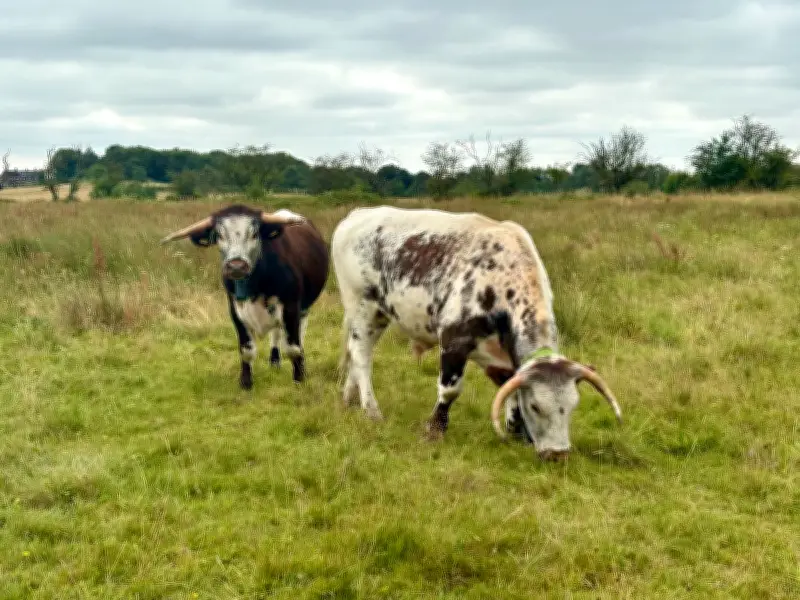
It mainly affects cattle but can also infect other animals, including sheep, goats, alpacas and horses. There is currently no evidence that Shamonda virus spreads directly between animals or from person to person. It is also not known to spread through eating meat or drinking milk.
Is Shamonda virus dangerous to humans?
Until now, Shamonda virus had not been known to infect humans. The first reported human infection was identified in France, in a patient with an underlying illness who died in early October. It is currently thought the patient contracted the virus through a midge bite in eastern France, where cases were first identified in animals in the spring, according to the country's health and agriculture ministries.
The patient was being treated for a serious illness in a Lyon hospital and experienced neurological complications thought to have been "very likely linked" to the virus, based on initial findings. The patient was severely immunocompromised, meaning his immune system was already weakened and he was more vulnerable to infections and their complications. Experts have stressed that detecting the virus in someone with a serious underlying illness does not necessarily mean it poses a threat to otherwise healthy people.
The European Centre for Disease Prevention and Control (ECDC) said it was "carefully monitoring the situation". It said: "ECDC is in contact with the French authorities and European partners to investigate the potential, public health implications of this first human infection. The only infection so far has been in a patient receiving treatment for a serious illness that made them more susceptible to infection and complications than the general population. The patient died in early October. Investigations into whether the virus caused or contributed to the patient's death and how the infection was acquired are ongoing."
What are the symptoms?
The symptoms of Shamonda virus vary from animal to animal. Some of the more common symptoms in animals include sudden high fever, watery or loose diarrhoea, muscle twitching, and lethargy, weakness, and reduced appetite. In humans, health experts say symptoms may present as severe cerebral (brain) complications or similar to meningitis.
What have experts said?
Dr Ben Brennan, group leader and senior lecturer at the MRC-University of Glasgow Centre for Virus Research, said the discovery was scientifically significant but should not cause unnecessary alarm. He said: "This is an important scientific finding, as it is the first reported human infection with Shamonda virus. However, it is important to put this into perspective. The patient had a serious underlying illness that left them particularly vulnerable to infections, and we do not yet know whether Shamonda virus contributed to their death. Finding a virus in a severely immunocompromised patient does not necessarily mean it poses a significant risk to otherwise healthy individuals. At present, there is no evidence that Shamonda virus causes widespread human disease, although further investigation is needed to understand its ability to infect people… Based on the information currently available, there is no reason for the general UK public to be unduly concerned. There is currently no evidence of sustained transmission between humans, and the virus is normally spread through biting midges rather than everyday contact between people. While this discovery warrants further scientific investigation and continued surveillance, it does not currently suggest a significant new public health threat to the UK. For most people, there is no reason to change their normal activities or take additional precautions."
Paul Hunter, professor in medicine at the University of East Anglia (UEA), told the Press Association the disease "is primarily a problem in less economically developed countries" and so "we cannot say for certain that no human cases have previously occurred". He said severely immunocompromised people can be susceptible to infections that would not cause any problem in other people. "So, at present we can assume that the risk of onward person-to-person transmission is tiny. But tiny is not zero. One of the issues with infections in people who are immunocompromised is that they may not clear the infection. There is, therefore, the risk that the virus could evolve over time in such a patient to become more transmissible to humans. The fact that this case has died reduces that possibility. The risk that this virus goes on to cause more widespread problems is very small, but if I was involved in the investigation, I would want to check contacts to make sure no one else has picked it up."
On September 24, the Government's Animal and Plant Health Agency (APHA) said SHAV had been detected in cattle in Jersey "that showed clinical signs consistent with those seen elsewhere in Europe". Earlier this month, farmers in Northern Ireland were also advised to be alert following reported findings of Shamonda virus in the Irish Republic. Dr Katherine Russell, head of emerging infections and zoonoses at the UK Health Security Agency (UKHSA), said it was aware of reports "and are in contact with the relevant authorities to assess the situation". She added: "The virus has not been detected in the UK to date, although it has been identified in cattle in Jersey and the Republic of Ireland."