
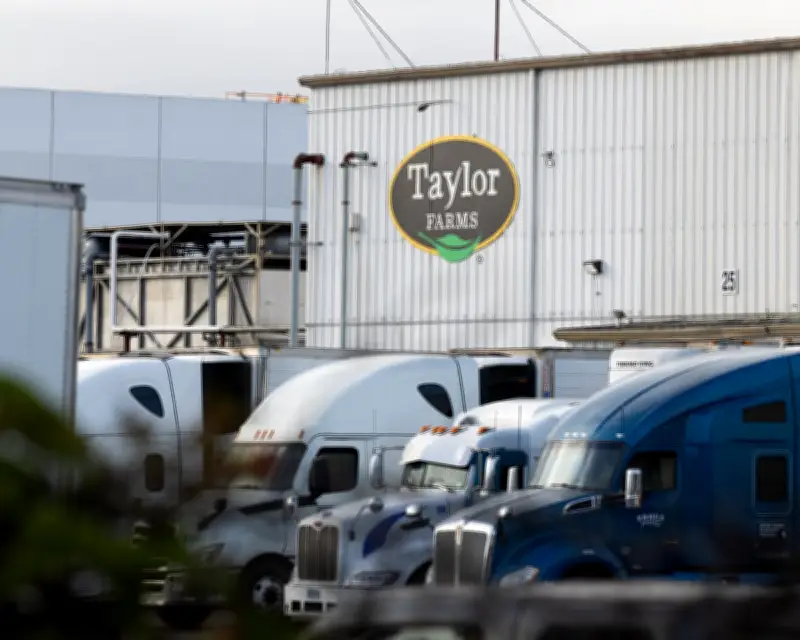
The US Food and Drug Administration announced on Sunday that laboratory experts re-evaluated lettuce sample results from Taylor Farms in an investigation into a cyclospora outbreak and concluded the finding should be considered a false positive.
No Confirmed Positive Samples
As of Sunday, there were no confirmed positive sample results for cyclospora, the FDA added. The agency had said on Saturday that a sample of shredded iceberg lettuce supplied by Taylor Farms tested positive for the parasitic illness that has sickened thousands of people in the US.
A spokesperson for Taylor Fresh Foods told Reuters that the company was informed the FDA made a mistake. “To be clear, at this moment, FDA has not identified a single positive product test result for cyclospora,” the company said. Taylor Fresh Foods added that it had completed a voluntary recall of iceberg lettuce from central Mexico out of an abundance of caution based on the initial information given.
FDA and Taylor Farms Response
The FDA, in its latest update, said it has “notified Taylor Farms and continues working with the firm to ensure the product implicated in this outbreak has been removed from the market.” Taylor Farms has also said that the FDA apologized. The company had earlier confirmed that the product was not part of its current recall, according to the FDA.
Cyclosporiasis Outbreak Details
Cyclosporiasis, which has been linked to shredded iceberg lettuce served at Yum Brands Taco Bell restaurants in Indiana, Kentucky, Michigan, Ohio, and West Virginia, has so far resulted in around 100 hospitalizations and no deaths, according to the US Centers for Disease Control and Prevention (CDC). The parasitic infection is caused by the single-cell protozoa cyclospora. The microbe is typically transmitted through water or food contaminated with feces. It is most common during warm weather months, from May to August. It can take weeks or days for an infected person to develop symptoms, making it difficult to track cyclosporiasis. Diagnosis and reporting then takes weeks more.




