
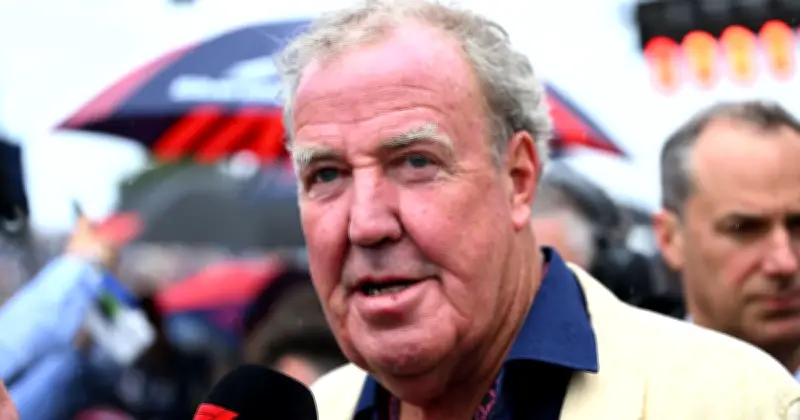
A charity is urging the NHS to offer thousands more men pinpoint prostate cancer therapies similar to those received by Jeremy Clarkson and Lord Cameron. A landmark study found that focal therapies, which destroy only the cancerous part of the gland, are effective and cause fewer side effects than radical treatments like surgery. Experts say the research means more men with early prostate cancer should be offered these precise treatments.
Landmark Study Shows Focal Therapy Effectiveness
The study by researchers at Imperial College London followed almost 3,500 men treated at 14 UK hospitals. They received either high intensity focused ultrasound (HIFU) or cryotherapy, a freezing-based treatment. Ten years after treatment, just two men had died from prostate cancer, and 3% saw their disease spread outside the prostate. Experts say these rates are similar to those from radical surgery or radiotherapy.
Of men who had two sessions of focal therapy, only one in 10 needed a prostatectomy or radiotherapy due to persistent cancer. This compares to a recurrence rate of around 15–30% for men with similar disease risk who had a prostatectomy or radiotherapy first.
Reduced Side Effects Compared to Radical Treatments
The risk of side effects such as incontinence with focal therapy was about one fifth of that for other treatments. Just 13–24% of men reported erectile dysfunction three years later, less than half the rate seen after radical treatments. Jeremy Clarkson, 66, recently revealed he was treated for early aggressive prostate cancer with HIFU, which uses high-frequency sound waves to heat and destroy tumour cells. The Top Gear star said the treatment left the cancerous 10% of his prostate "dead" while preserving the rest.
Call for Wider NHS Access
Focal therapies are currently offered at only a few NHS centres, mostly in London and the South East. Around 1,000 men access it each year, but Prostate Cancer UK estimates up to 15,000 could benefit. Former Prime Minister Lord Cameron, 59, said it was "not right" that many men are not given this option. He said: "I was fortunate to be able to benefit from a more advanced focal therapy to treat my cancer that reduced the risk of life-changing side effects. Prostate cancer is incredibly common and the way we treat it is changing. We should be doing everything we can to ensure that men across the UK — wherever they live, and whatever their means — can benefit from the latest advances."
Amy Rylance, the charity's director of health services, equity and improvement, said: "Side effects like incontinence or sexual problems can be devastating, and this is the first long-term study that shows many men could avoid them without increasing the risk their cancer could return. But without NICE approval, the sad truth is that thousands of men will have to deal with life-changing side effects simply because of their postcode. That's completely unacceptable, which is why we're calling for an urgent review of these treatments."
Government Funding and Future Steps
The charity is urging the National Institute for Health and Care Excellence (NICE) to review the new evidence and expand access. Dr Taimur Shah, consultant urologist and associate professor at Imperial, said: "Our study now gives clinicians and patients the long-term evidence they have been waiting for. We hope these results will help update the main NICE clinical guidelines so that focal therapy is routinely offered as a first-line choice to men. Men who would like to know whether it might be right for them can ask their urologist about referral to a specialist centre that performs these treatments."
The government recently announced £2.8 million in capital funding to expand focal therapy provision and create several new centres. Health Innovation and Safety Minister Preet Kaur Gill said: "Everyone deserves access to the best possible treatment, and this government is determined to make that a reality. This study is a powerful demonstration of what focal therapy can achieve. Our investment of up to £2.8 million, announced earlier this year, will help expand the TRANSFORM trial and ensure more men have access to this treatment through prostate cancer screening."




