UK Experts Urge Emergency Food Stockpiles Amid Rising Global Instability
In an increasingly turbulent world, leading UK experts have advised households to build emergency stockpiles of food to safeguard against potential disruptions from conflicts, extreme weather events, or cyber-attacks. This recommendation focuses on storing long-life, no-cook items that can sustain families during crises.
Essential Items for Emergency Preparedness
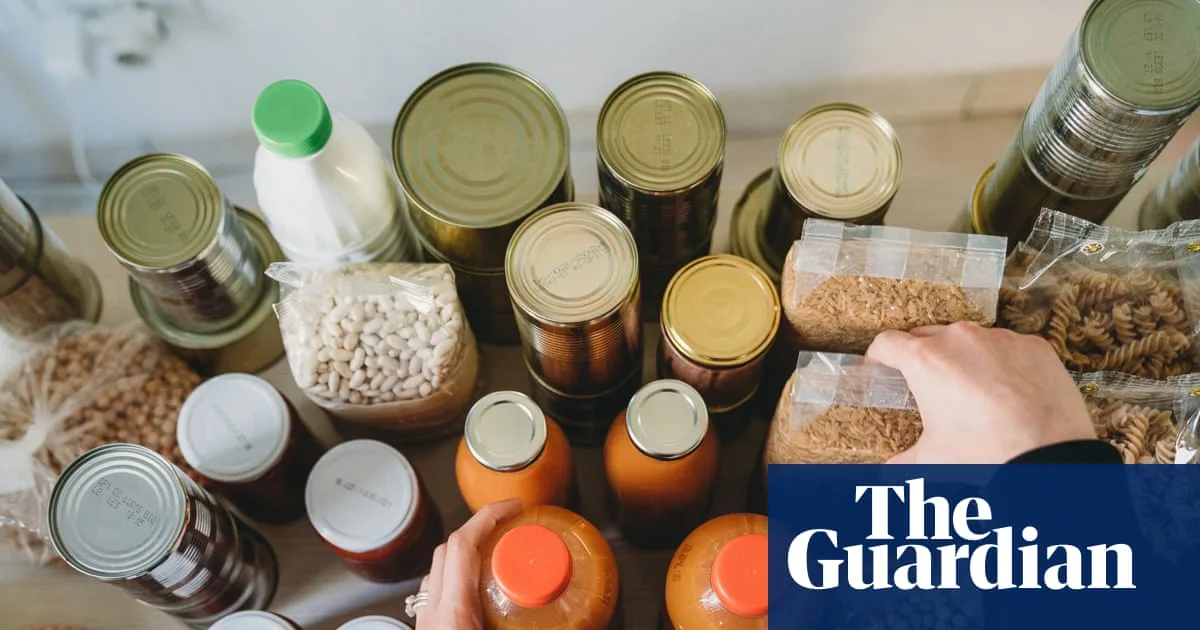
Experts suggest prioritising non-perishable goods that require minimal preparation, such as tinned beans, vegetables, fish, rice crackers, and oats that can be soaked. It is crucial to include items you enjoy eating, along with treats like chocolate or crisps to boost morale. Additionally, ample water supplies are necessary, not only for drinking but also for washing purposes.
Professor Tim Lang, a prominent food policy expert, emphasises the importance of social solidarity in emergency planning. "Yes, do store food, but be prepared to share to maintain social solidarity," he states. "All resilience theory and experience, in shocks, wars, or sub-war conflicts, shows it is essential to maintain social cohesion if you want to maintain social order." With one in seven households with children in the UK already facing food insecurity, sharing stockpiles can help prevent civil unrest.
Government Inaction and Systemic Risks
A recent report from top UK food experts, published in February, warns that chronic issues like low incomes and fragile "just-in-time" supply chains have turned the food system into a "tinderbox." Factors such as the Iran war, which impacts fuel and fertiliser supplies, and climate-related disruptions exacerbate these risks. Professor Lang criticises the British government for not stockpiling food, unlike countries such as Switzerland, and highlights a 2024 government report that warns of potential "catastrophic failure" in food security by 2030 due to geopolitical instability and the climate crisis.
UK glasshouse growers have already reported shortages of cucumbers, tomatoes, and peppers in supermarkets, linked to soaring gas prices, underscoring the vulnerability of domestic production.
International Examples of Preparedness
Several countries take emergency food stockpiling seriously to enhance societal resilience. Switzerland provides a detailed online tool where families can input their specifics, including allergies and dietary preferences, to generate a customised stockpile list. For instance, a week's supply for a family of four includes:
- 47 bottles of mineral water (1.5 litres each)
- 21 tins of vegetables
- 12 portions of fish, such as sardines or tuna
- 10 packets of grains like pasta or rice
- Various snacks and treats
Germany offers similar resources, while Latvia and Lithuania distribute booklets on surviving 72-hour crises. Sweden advises citizens to gradually build stockpiles by adding extra items during regular shopping trips, focusing on energy-rich, long-life foods.
Personal Stockpiling Strategies from Experts
Professor Lang maintains his own emergency store, featuring items like dal, beans in large jars, tinned sardines, and oats. He recommends considering scenarios with no cooking facilities or water, and suggests growing herbs or vegetables in gardens to add variety and nutrients to meals. "If you've got some chives growing, you'll titivate the beans that you're eating for the fourth, or 10th time in 10 days into tasting a bit different," he notes.
Professor Sarah Bridle from the University of York also advocates for stockpiling, advising people to choose items they regularly consume, such as beans, lentils, and chickpeas, to avoid waste. She includes treats like crisps for morale, especially for children.
Environmental campaigner George Monbiot revealed his stockpile includes 25kg of rice, 15kg of dried chickpeas, various flours, oats, and tinned tomatoes, supplemented by home-grown vegetables, providing about two months' supply for his family.
Government Response and Calls for Action
A spokesperson for the UK's Department for Environment, Food and Rural Affairs asserts that the country maintains a high degree of food security through domestic production and stable trade routes, with about 60% of food produced domestically. The government monitors global developments and stands ready to support the farming industry.
However, Professor Lang accuses the government of complacency, urging citizens to pressure MPs for more realistic preparedness measures. "Britain is way, way behind on this," he says. "That is not catastrophising: it's actually just being grown up and sensible about it."
While large-scale systemic changes are needed to address food shortage risks, home stockpiles can provide critical time for authorities to respond in emergencies, making personal preparedness a vital step in safeguarding against future crises.