Expert guide to garden care during UK heatwave: 12 tips
Expert garden care tips for UK heatwave

The UK is bracing for a potentially record-breaking heatwave, with the UK Health Security Agency upgrading heat health alerts to amber across London, the South East, the East, and the Midlands, while yellow alerts remain for the rest of England. As temperatures soar, gardeners face the challenge of keeping their outdoor spaces healthy. Here is expert advice on managing your garden during extreme heat.

Understanding plant vulnerabilities

According to Nick Turrell, RHS horticultural advisor, it is all about risk management. He notes that some plants are more susceptible to heat stress, including hydrangeas, Japanese maples, fuchsias, astilbes, and roses. These plants prefer cooler temperatures and consistent moisture. In contrast, drought-tolerant species such as lavender, rosemary, sedum, and other succulents are better equipped to thrive in warmer conditions.

Top tips for garden care in a heatwave

1. Water wisely

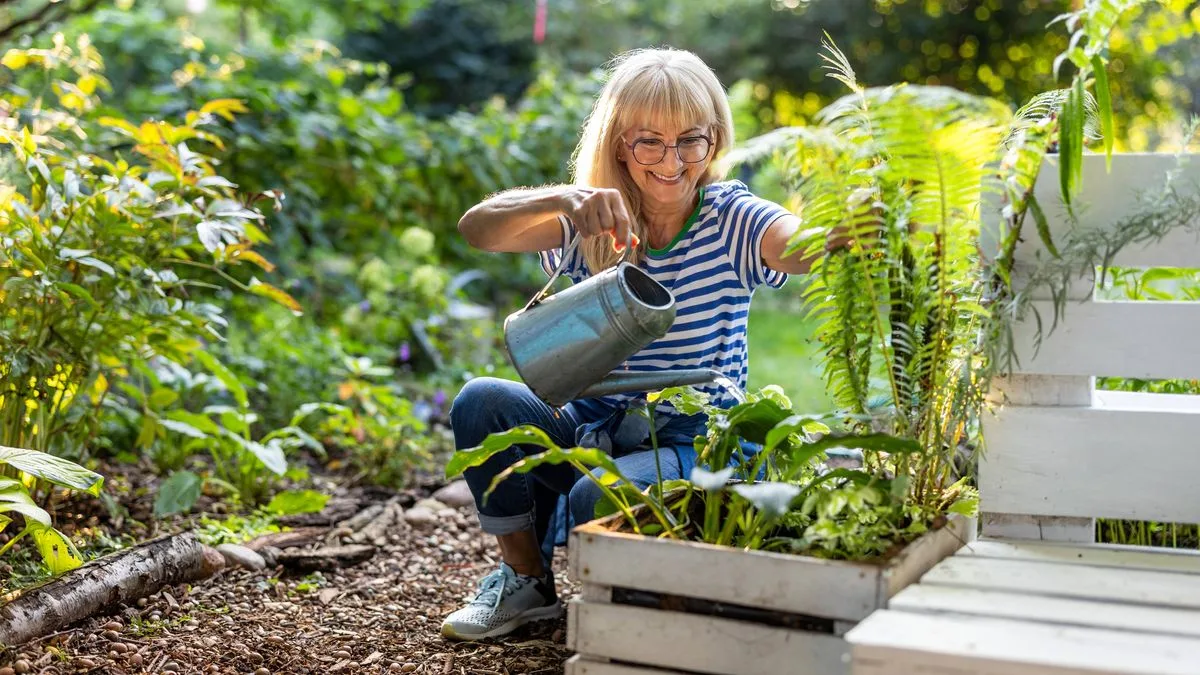
Water plants in the morning to ensure they stay hydrated throughout the day. Avoid spraying leaves; instead, direct water to the roots using a watering can rather than a hose, which can lead to wasteful surface sprinkling that evaporates quickly. Melissa Quinney from Cabin Master suggests reusing greywater from baths or washing up for ornamental plants, provided it is free from harsh chemicals. Charles Carr of Hillier Nurseries recommends watering less frequently but more thoroughly, soaking the rootball. Nick Hamilton of Barnsdale Gardens advises not to water if unsure, as wilting from under-watering can be reversed within an hour after watering. Priority should be given to plants established within the last 12 months, especially newly planted trees.

Wide Pickt banner — collaborative shopping lists app for Telegram, phone mockup with grocery list

2. Mulch the surface

To lock in moisture, cover the top of container plants with gravel, bark, or quality compost. For garden beds, apply organic mulch like wood chippings, garden compost, or leaf mould to block sunlight, insulate soil, and reduce evaporation. Hamilton recommends investing in a shredder to create mulch from garden waste.

3. Avoid buying new plants

During a prolonged hot spell, planting new specimens stresses both plants and watering systems. Established plants with roots deeper than two years are more resilient. Watch for wilting or curling leaves as signs that plants need water.

4. Take down hanging baskets

Hanging baskets lose moisture quickly. Turrell suggests moving them to a shaded area during a heatwave to reduce water loss.

5. Pick bolting vegetables early

Lettuces are prone to running to seed in heat. Pick them young and refrigerate, or provide shade with netting.

6. Create shade

For vulnerable plants, use temporary shade structures like old bedsheets, garden furniture, or shade cloths, advises Quinney.

7. Group patio pots

Cluster patio pots together in the shade to create a microclimate that reduces evaporation, says Turrell.

8. Support wildlife

Keep birdbaths filled for drinking and bathing. Add pebbles to water-filled pot saucers to allow insects to land and drink safely.

9. Leave your grass

Brown, straw-like grass will recover with autumn rain, so resist watering. For newly laid turf that hasn't overwintered, water as needed. Peter Chaloner of Cobra advises against applying weedkillers or fertilisers during hot spells, as they can harm stressed lawns. Minimise foot traffic and clear furniture to aid recovery.

10. Plant drought-tolerant species

Fill gaps with lavender, rosemary, salvia, and sedum, but water them until established. Succulents and silver-foliage plants adapt best to heat.

11. Improve your soil

Add organic matter like garden compost or well-rotted manure to light soils to increase moisture retention. Fork it into the surface and add a thick layer as mulch. Turrell emphasises that annual mulching prepares soil for any conditions.

12. Use a water butt

Install a water butt to collect rainwater from downpipes. Hamilton also suggests using a low-pressure leaking pipe buried just under the soil surface, connected to the water butt, to deliver water directly to roots with minimal evaporation.

Pickt after-article banner — collaborative shopping lists app with family illustration




