
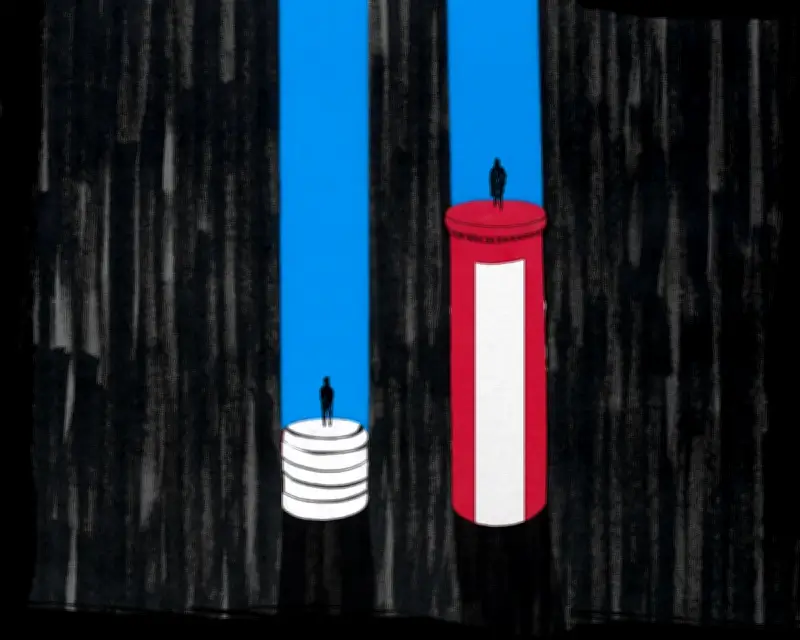
Childhood Pain Disparities Begin Early
A 2024 study by academics at the University of Delaware investigated whether racial bias affects how people perceive children's pain. Participants viewed computer-generated images of children's faces from different ethnicities showing increasing pain levels. Pain was less readily perceived on black boys' faces compared with white counterparts, with participants needing stronger expressions of pain before recognising it. Those less likely to perceive pain in black children were also less likely to recommend pain treatment.
Another 2020 study led by Monika Goyal at Children's National Hospital in Washington examined racial disparities in pain management among children with fractures in US emergency departments. Children from minority ethnic backgrounds were more likely to receive analgesics like paracetamol and ibuprofen but less likely to receive opioids. "When looking at optimal pain reduction, minority children were more likely to be discharged home in significant pain compared with their white counterparts," Dr Goyal said.
A separate study found black children were 80% less likely to receive opioids for severe pain from appendicitis than white children. A 2024 study from University College London found black children had a four times greater risk of complications after surgery, including severe pain.
Maternity Care: Stereotypes and Neglect
The ethnicity pain gap in maternity care is well documented. Guardian research found black women are almost twice as likely to have their births investigated for safety failings. Black women in the UK remain almost three times more likely to die during childbirth. An interim report by the National Maternity and Neonatal Investigation included accounts of Asian women being stereotyped as "princesses" and black women as having "tough skin" and able to tolerate pain.
One woman told a family evidence panel: "I feel like, for us black ladies, they feel like we can handle the pain, even when we are complaining we are in pain." Another described being stereotyped as "the angry or aggressive black woman," saying: "I was begging for help ... I was made to feel like I was that aggressive, angry black woman. But that isn't me."
A 2025 survey by FiveXMore found 23% of black women did not receive requested pain relief during childbirth, with 40% receiving no explanation. One woman said: "I asked for pain relief but was told they had no gas and air on my ward despite me seeing others have it. They gave me a paracetamol and told me I wasn't in labour. My baby was born 10 minutes later." The survey found that when black women were not loudly vocalising pain or visibly distressed, healthcare professionals assumed they were managing pain, influenced by stereotypes of black women being naturally strong.
Emergency Care: Opioid Prescription Gaps
A 2016 study by the University of Boston found black patients in the US were about half as likely to be prescribed opioid medicines in emergency departments compared with white patients. The research, published in Plos One, analysed over 60 million records of pain-related emergency visits from 2007 to 2011 for people aged 18 to 65. For non-definitive conditions like toothache, abdominal pain, and back pain, black patients were half as likely to receive opioids. "This study unfortunately tells us what we already know: black patients are improperly treated for pain and that is mostly because of their skin colour," said Prof Keisha Ray, lead author.
Sickle cell disease, which causes excruciating pain episodes and disproportionately affects people of African descent, highlights these disparities. A 2021 report by the Sickle Cell Society found sufferers experienced inadequate care and racism in healthcare settings, with pain underestimated or dismissed in emergency departments. The report noted routine failure to comply with national care standards, with patients having to "battle" for effective pain relief during sickle cell crises.
Chronic Pain: Persistent Inequities
A March 2026 study of 1,648 US adults with chronic lower back pain found black patients reported more severe and disruptive pain compared with white counterparts, even after adjusting for socioeconomic and clinical factors. "Our study aimed to disentangle the effects of race and social disadvantage on outcomes such as pain intensity, disability, and quality of life," said Dr John Licciardone from the University of North Texas Health Science Center. "These findings are striking because they highlight that racial pain disparities are impacted by sociocultural factors and are not simply the result of genetic or biological differences."
Another study from King's College London on chronic pain among Parkinson's patients found 83% of white patients received pain relief compared with 48% of black and 43% of Asian patients. The disparity was most evident with opioids: 43% of white patients received them versus 4% of black and Asian patients.
Cancer and Palliative Care: End-of-Life Disparities
In England, 27% to 28% of people die from cancer. A major study from the University of Hull found cancer patients from black, South Asian, mixed, and other ethnic backgrounds received fewer opioid prescriptions and lower doses of pain-relieving medications than white patients, even after accounting for age, cancer type, other health conditions, and deprivation. Jonathan Koffman, lead researcher and professor of palliative care, said it was the first population-based study in England to examine "the association between ethnicity and opioid prescribing for cancer pain in the last three months of life."
"Adequate pain relief is a human right. Up to 90% of cancer patients experience pain as they near the end of life. Effective treatment matters not just for comfort, but for dignity, quality of life and even survival. Opioid medicines have proved to be highly effective in managing pain," Koffman said. "We found that people from minority ethnic backgrounds were less likely to receive prescriptions for opioids compared with those who are white. Among those prescribed opioids, the doses given were also lower." The study also found patients from minority ethnic backgrounds were more likely to have multiple emergency department visits and hospital admissions in their last three months, suggesting undertreated pain in the community.




