People who notice a sudden change in their heartbeat may need medical attention, a health expert has warned. Dr Xand van Tullen has explained that when things stray from the norm, people may need help from 999.
Most palpitations are harmless
Appearing on a recent episode of BBC's Morning Live, Dr Xand claimed that not all heart palpitations should be seen as a worrying sign. In most cases, they are harmless one-offs that occur when people suddenly acknowledge this vital organ in their chest, he says.
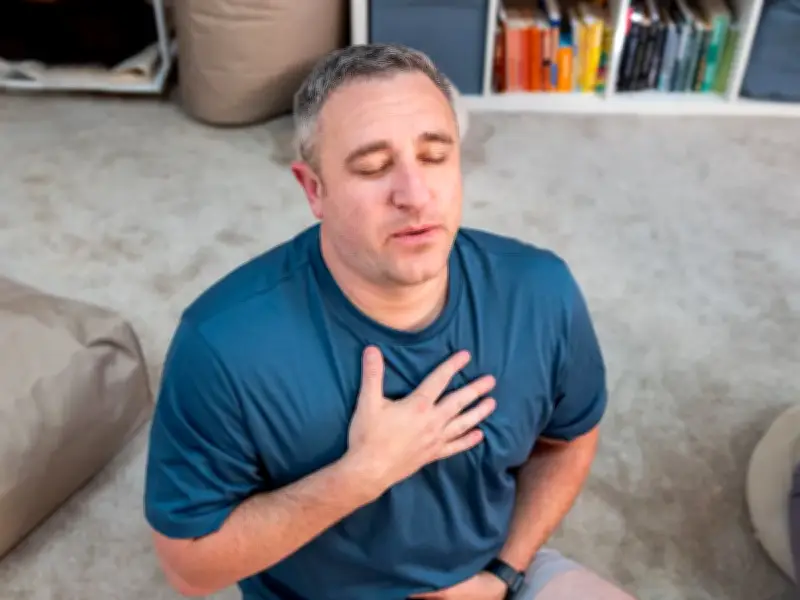
He said: "Probably everyone has had palpitations. All palpitations mean is that you are aware of your heartbeat."

"Some people can feel their heartbeat all the time. Other people have no sense of this organ kind of hammering away in them."
However, if that steady rhythm starts to beat faster or irregularly, people may become aware of it and wonder whether they need to seek help. In most cases, though, the doctor claims that, for the vast majority of heart palpitations, "it is not a thing to worry about".
Warning signs to act on
There are warning signs, though, that people should not ignore, especially if it is not normal for them. Dr Xand said: "If your heart is suddenly beating extremely fast or it's beating irregularly, so you can't tap your foot to it, or you're skipping beats regularly, at that point you really should speak to your GP or potentially call 999."
Spotting the signs of atrial fibrillation (sometimes called afib or AF, according to the NHS) is important. The fairly common condition can be treated, but if ignored, can lead to blood clots, strokes and heart failure.
Dr Xand said he experienced this first hand. "I woke up at three in the morning, took my pulse and thought, oh wow, my heart is beating very chaotically," he said. "[I] couldn't tap my foot to it and I went to A&E."
When to call 999
"If you are having many episodes of these, if they are giving you chest pain, if you're feeling short of breath, if you have any underlying heart disease or any other health conditions which you think might be making you more vulnerable, if you've got a family history, all of those things should make you lean towards getting help."
People should seek emergency help by calling 999 if they (or someone they are with) experiences chest pain, shortness of breath or fainting/collapsing, Dr Xand said. And if you're collapsing, if you're short of breath, if you're feeling unwell, you need to get emergency help. The person experiencing these symptoms should not risk driving themselves to A&E, the health expert said.
You should only dial 999 or go to your nearest emergency department if your heartbeat irregularities or palpitations are accompanied by genuine emergency symptoms, such as crushing or severe chest pain, tightness, or pressure; severe difficulty breathing or gasping for air; sudden fainting, blackouts, or a feeling that you are about to collapse; or sudden dizziness, confusion, or lightheadedness.
If you are feeling generally unwell, worried about your heart, or experiencing ongoing strange sensations and want non-emergency advice, you can use NHS 111 Online or call 111.