
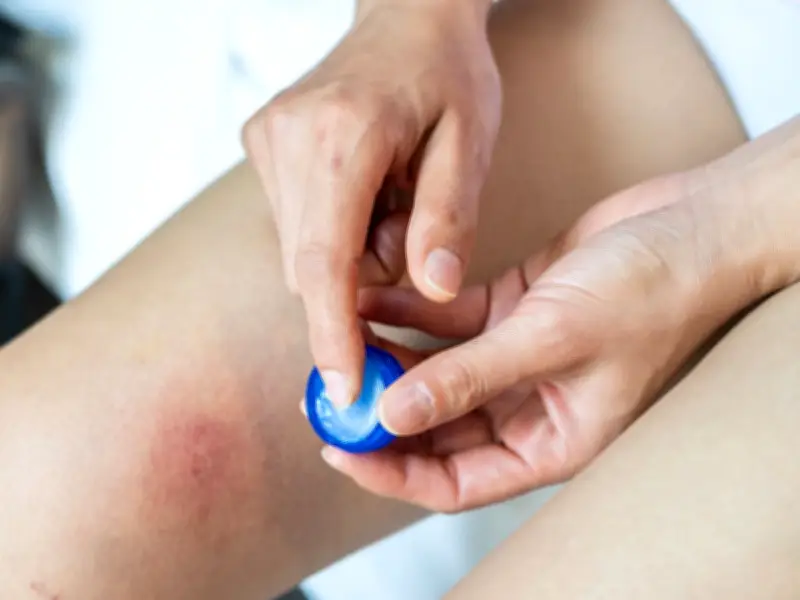
As the UK experiences a heatwave with temperatures forecast to reach 40°C, Dr Robert White, a GP with a special interest in dermatology, has shared advice on preventing and treating chafing and heat rash. Chafing, caused by friction between skin or against clothing, is exacerbated by sweat and humidity, which soften the skin and make it prone to tearing. Heat rash, or prickly heat, occurs when sweat becomes trapped in blocked pores, leading to inflammation.
How to Treat Chafing
Dr White recommends keeping affected areas clean and dry and applying barrier creams such as Sudocrem, Vaseline, or Cicaplast to create a protective layer. Natural anti-inflammatory creams like Aloe Vera can also help. For more severe cases, a short course (five to seven days) of mild topical steroid like hydrocortisone 1% cream may be used. He warns that complications can include redness, burning, blistering, and even bacterial or fungal infections, with chronic cases leading to hyperpigmentation.
Preventing Chafing and Heat Rash
To prevent chafing, Dr White advises wearing loose, breathable fabrics such as cotton or moisture-wicking synthetics, and applying lubricants before exercise. Tight compression shorts or thigh bands can also minimize friction. For heat rash, the key is to cool the skin and keep it dry. Anti-itch creams like calamine lotion or hydrocortisone cream (for a few days) can provide relief, but ointments or oil-based products should be avoided as they block pores. Oral antihistamines may help with severe itching.
Dr White emphasizes prevention: “Wear loose-fitting clothing in light and moisture-wicking fabrics. If you are prone to heat rash, minimise exertion when in hot environments and keep well hydrated.” The heatwave, driven by a heat dome over western Europe, has prompted extended heat warnings across England and Wales.




