
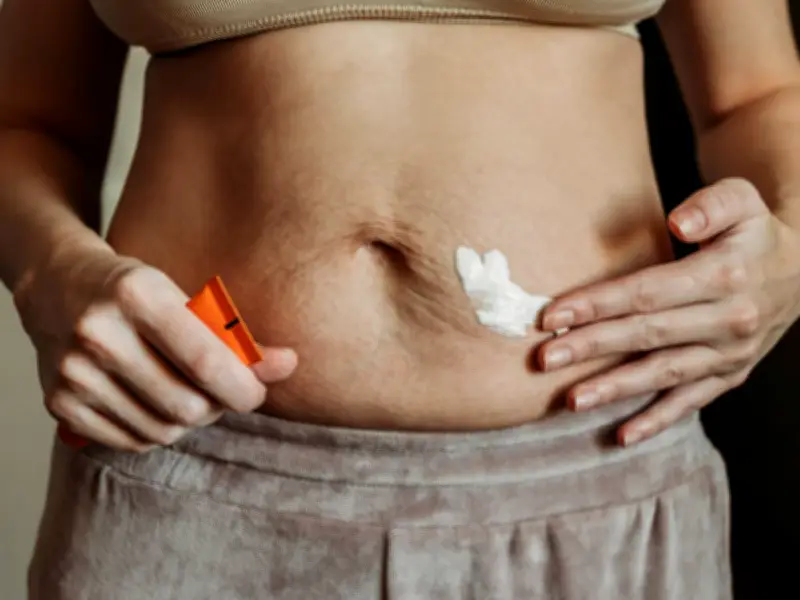
As the UK's latest heatwave pushes temperatures to a blistering 40C, a GP has shared essential advice on preventing and treating chafing and heat rash. Dr Robert White, a General Practitioner with an Extended Role in Dermatology and Skin Surgery, and joint Clinical Lead for the NHS East Kent Community Dermatology Service, warns that skin chafing and heat rash are common during such extreme weather.
What Causes Chafing and Heat Rash?
Chafing is a skin irritation caused by repetitive friction from skin rubbing against skin or clothing, often occurring in warm, moist areas like the inner thighs, groin, underarms, and nipples. Heat rash, or prickly heat, happens when sweat gets trapped in blocked pores, leading to inflammation. Both conditions are exacerbated by the current heat dome over western Europe, which is driving temperatures to 40C in parts of England and Wales.
Dr White explains: "Chafing is a common skin irritation caused by repetitive friction from skin rubbing against skin or clothing. It most frequently occurs between the thighs, under the arms, beneath the breasts, or in the groin area, especially during physical activity or in hot, humid conditions. Complications include redness, burning, or stinging sensation. In extreme cases, this can result in blistering of the skin. Broken skin can also lead to bacterial or fungal skin infections. In chronic cases, darkening of affected skin can occur (hyperpigmentation)."
Doctor-Recommended Prevention and Treatment
To prevent chafing, Dr White recommends keeping affected areas clean and dry, and applying barrier creams such as Sudocrem, Vaseline, or Cicaplast, or natural anti-inflammatory creams like Aloe Vera. For treatment, he suggests a short course (five to seven days) of a mild topical steroid like hydrocortisone 1% cream. He also advises wearing loose-fitting clothing made of breathable materials such as cotton or moisture-wicking synthetics, and applying lubricants before exercise to reduce friction. Tight clothing like thigh bands or compression shorts can also minimise chafing.
For heat rash, Dr White says: "The best treatment for heat rash is to cool the skin and keep the area dry. Application of anti-itch creams such as calamine lotion or anti-inflammatories such as hydrocortisone cream (for a few days only) can also help. Avoid ointments or oil-containing topical products, as these block pores and can make the situation worse. Oral antihistamines can help reduce severe itch."
Who Is Most at Risk?
According to Dr White, individuals who perspire heavily or are unaccustomed to warm climates are particularly vulnerable, especially when suddenly travelling to a hot destination. He emphasises prevention: "As ever, prevention is better than cure, wear loose-fitting clothing in light and moisture-wicking fabrics. And if you are somebody who is prone to heat rash, minimise exertion when in hot environments and keep well hydrated."




