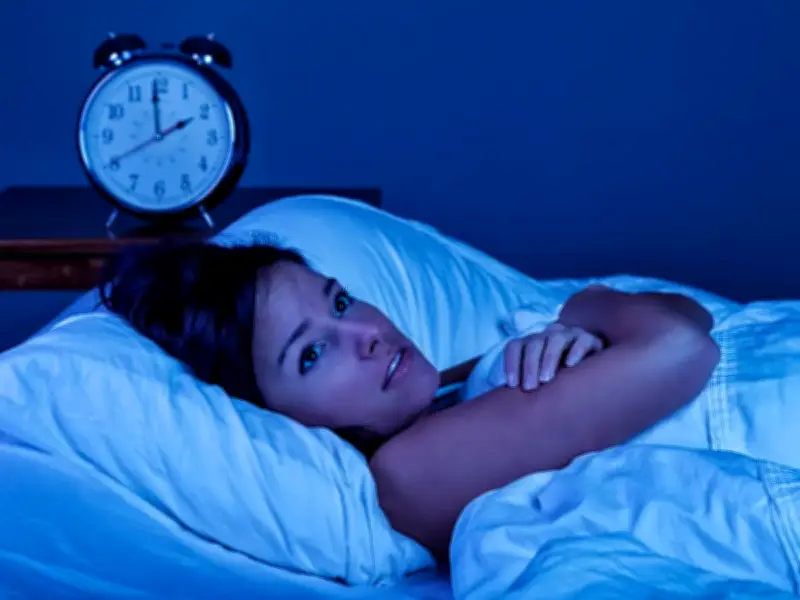
A health expert is warning Brits against dismissing certain symptoms as 'everyday stress'. During International Stress Awareness Week (November 2-6), people are being urged not to mistake five red-flag signs for stress—including frequently waking up throughout the night—as they could be linked to a serious underlying sleep disorder.
One in five people in the UK report that they aren't getting enough sleep. Stress is a common cause of disrupted sleep, with many people experiencing restless nights, tiredness and difficulty concentrating. However, these symptoms can also be a sign of obstructive sleep apnoea, a condition that up to 10 million people suffer from in the UK. It causes breathing to stop and start during sleep, which, if left untreated, could lead to heart failure.
Why sleep apnoea is a problem
Leaving sleep apnoea untreated can significantly increase the risk of heart failure by placing chronic, intense stress on the cardiovascular system. Every time breathing pauses during sleep, blood oxygen levels plummet, triggering a surge of stress hormones that abruptly raise blood pressure and heart rate. Over time, this repetitive nightly strain forces the heart muscle to work much harder, causing it to become thick, stiff, or weak, which can eventually lead to heart failure.
Beyond heart failure, untreated sleep apnoea is also closely linked to high blood pressure, irregular heart rhythms like atrial fibrillation, coronary artery disease, and stroke, making early diagnosis and treatment, such as using a CPAP machine, crucial for protecting long-term heart health.
To mark Stress Awareness Week, Dr Sandip Banerjee, Founder and Medical Director at Private Sleep Clinic, has highlighted five symptoms of sleep apnoea that Brits might mistakenly attribute to everyday stress. The health expert has also explained what you can do at home to tell the difference.
The five symptoms to watch for
Frequently waking up throughout the night — Stress can make sleeping difficult; it can leave people lying awake worrying or waking up throughout the night. However, this can be a sign of sleep apnoea. When breathing stops, the brain may briefly wake them so normal breathing can resume, Dr Sandip Banerjee says. Some could even wake up gasping for air, while others might just keep waking during the night without knowing what's causing it.
Feeling exhausted despite getting enough sleep — Excessive daytime tiredness is one of the most common symptoms of sleep apnoea and is something many will put down to heightened stress. However, if you sleep between seven and nine hours a night and are still feeling exhausted when you wake up, this may suggest that something else may be affecting the quality of your sleep, Dr Sandip Banerjee warns. Sleep apnoea repeatedly interrupts your breathing throughout your sleep. Those interruptions can then wake your brain without you realising, preventing your body from getting the sleep it needs.
Waking up with headaches — Headaches are another symptom that is commonly associated with stress, but if you regularly wake up with them, it could be a sign of sleep apnoea. Dr Sandip Banerjee says that when your breathing is continually interrupted during your sleep, it can then affect the oxygen and carbon dioxide levels in your blood. Unlike headaches that develop during a stressful day, sleep apnoea-related headaches occur when you first wake up and tend to improve within a few hours.
Difficulty concentrating and experiencing brain fog — When feeling stressed, it's common to struggle with concentration or to become more forgetful. However, if this persists, it can be associated with sleep apnoea. Dr Sandip Banerjee says our brains rely on good-quality sleep to function properly. He warns that repeated interruptions can affect your ability to remember, pay attention and process information. Signs of this might be forgetting simple tasks and struggling to concentrate during meetings.
Loud snoring — Snoring is extremely common and is often dismissed as harmless or even humorous. However, loud and persistent snoring is one of the most common symptoms of sleep apnoea, Dr Sandip Banerjee says, especially when accompanied by pauses in breathing and gasping for air in the night. While stress isn't a direct cause of snoring, behaviours associated with stressful periods, such as drinking alcohol, can worsen snoring.
What to do if you suspect sleep apnoea
Dr Sandip Banerjee says: "The first thing you should do is contact your GP and arrange an initial assessment, which can then lead to a referral to a specialised sleep clinic."
There are a few things Dr Sandip Banerjee says you can do at home to help you decide whether your symptoms are just stress or could indeed be sleep apnoea. These include asking your partner to monitor your snoring, keeping a sleep diary, recording your snoring overnight, completing a sleep apnoea screening questionnaire, and doing a private sleep study.
Ask your partner whether they've noticed anything unusual about your breathing; this could be loud, persistent snoring, gasping, choking or noticeable pauses in breathing. Keeping a sleep diary can help identify patterns worth discussing with a medical professional. Note down what time you go to bed and what time you wake up, whether you struggle to get to sleep, how frequently you remember waking up, and how tired you are throughout the day. Do this over a one-to-two-week period.
Using your mobile phone, you could record your snoring while you sleep. Look out for loud or irregular snoring, periods of silence, and choking. People can also complete a recognised screening questionnaire at home to help identify sleep apnoea symptoms they might otherwise have dismissed. Commonly used questionnaires include STOP-Bang and the Epworth Sleepiness Scale. There are also sleep studies that you can conduct at home; these measure heart rate, oxygen levels, sleeping position, eye movement and snoring.