
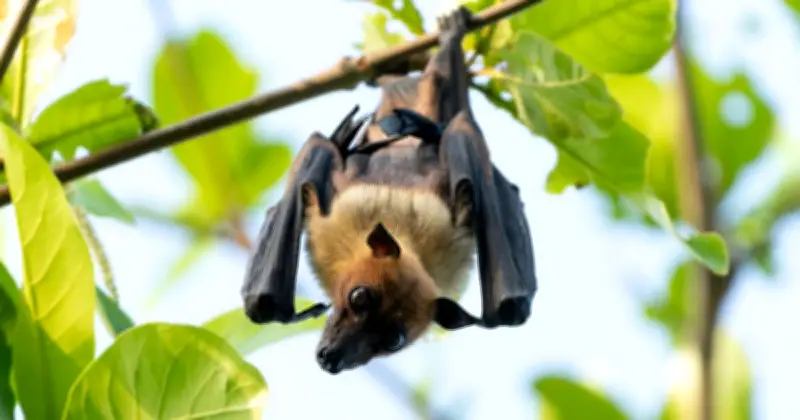
An 11-year-old boy from Ontario, Canada, died from rabies after being awoken by a bat on his nose and mouth while staying at a family cottage. The case was detailed in the Canadian Medical Association Journal on Monday.
Incident and Initial Response
The child was struck in the face by a bat. He knocked it away, and his father caught the animal in a container before releasing it outside. Because the boy had no visible injuries and the bat did not appear to be acting unusually, his parents did not seek medical advice at the time.
Symptom Onset and Medical Visits
Nineteen days later, the boy developed numbness and swelling on one side of his face. Over the following days, he was seen at emergency clinics and in hospital as doctors tried to identify the cause of his symptoms. He was initially treated with antiviral medication after medics suspected Bell's palsy, a condition that causes temporary weakness or paralysis on one side of the face.
He later returned to hospital, where doctors first believed he had herpes gingivostomatitis, a viral infection affecting the mouth and gums. When weakness developed on the right side of his face the next day, he was taken back for further assessment.
Rapid Deterioration and Diagnosis
While waiting to be admitted, his condition deteriorated rapidly. He developed a fever of 39C, struggled to swallow and became confused, experiencing visual hallucinations. He was placed on a ventilator and transferred to the paediatric intensive care unit. Doctors at the University of Manitoba's Department of Pediatrics and Child Health suspected rabies, with laboratory testing later confirming the diagnosis. The Canadian Food Inspection Agency also identified a rabies virus variant linked to bats.
Outcome and Medical Context
The boy died 17 days after being admitted to the hospital in 2024. According to the report, he had no history of allergies, tick bites, recent travel outside Canada or contact with anyone who was unwell. Human rabies infections are extremely rare in Canada. The Canadian Veterinary Medical Association says there have been 28 rabies-related deaths in the country since 1924. The association says the low number of cases is largely due to long-running vaccination programmes, warning that stopping them would increase the risk of the disease returning.
Medical Advice
The journal also stressed that anyone who has direct contact with a bat should receive rabies post-exposure treatment as soon as possible, as the infection is almost always fatal once symptoms begin.




