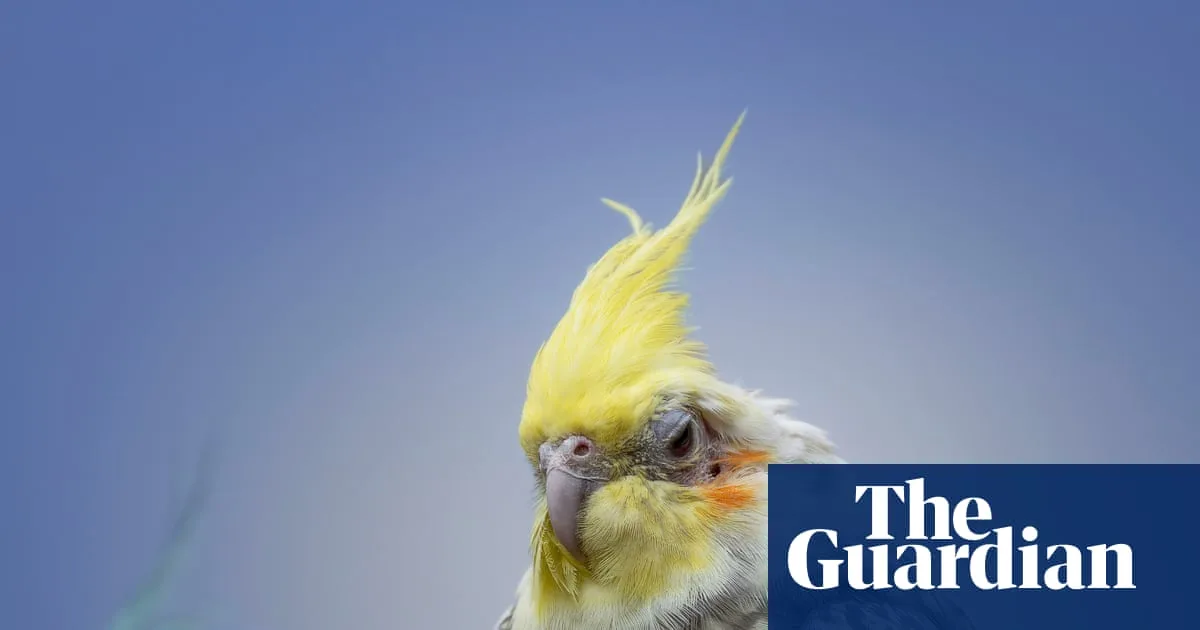
A groundbreaking study into avian self-pleasure has reached a definitive conclusion: masturbation among birds is a natural and healthy behavior that should not be punished or discouraged by owners or veterinarians. The research, published in the journal Ecology and Evolution, provides reassurance to bird keepers who have long been advised to intervene in such activities, sometimes through drastic measures.
Natural Behavior, Not a Sign of Stress
Dr Chloe Heys, an evolutionary ecologist at the University of Lancashire and lead author of the study, emphasized that masturbation is not a negative response to captivity. “Our big finding is that masturbation is not a negative response to captivity,” she said. “This is widespread in birds and we found it’s a perfectly natural and healthy behaviour that’s part of their repertoire of sexual behaviours.”
Historically, researchers assumed birds either did not masturbate or did so only under the stress of captivity. However, the study found the behavior is actually more common in wild birds than in those kept as pets. Heys, who had a pet cockatiel that masturbated frequently, noted that the behavior is distinctive and unmistakable once observed.
Survey of Bird Experts and Enthusiasts
The research team surveyed bird experts, online communities of bird keepers, breeders, and enthusiasts, combining their accounts with data from scientific literature. In total, they collected information on 120 bird species, both captive and wild. The survey revealed that avian masturbation is widespread among species such as parrots, ducks, turkeys, and chickens, and is more common in the wild.
Males typically engage in vigorous rubbing against perches, toys, twigs, or even their owner’s hand, foot, or shoulder. Females tend to lift their tail and back onto convenient objects. The activity may be accompanied by wing flapping and unusual vocalizations. When asked if birds show signs of guilt or regret, Heys responded, “I don’t want to say satisfied, but they do look different after they finish. It’s obviously doing something for them.”
Concerns Over Interventions
The study found that some bird owners, concerned about their pets’ behavior, have sought veterinary help, fearing self-harm. In response, some vets have recommended removing perches and toys, avoiding certain strokes, or even resorting to hormone therapy or surgery to de-sex the birds. Heys condemned these extreme measures: “In really extreme cases, vets would give the birds drugs or hormonal therapies to stop them doing this. There have even been cases of surgery to completely de-sex birds, which is bonkers.”
She advised that vets should not discourage masturbation unless it leads to chronic health issues like prolapse, which is extremely rare. The study urges a more informed approach to avian welfare.
Implications for Bird Welfare
Dr Ana Basto, a veterinarian at the University of Lancashire not involved in the study, said the research would help vets provide better advice. “This research is pivotal and will be a step towards achieving a more holistic understanding of why and how birds behave the way they do.”
Dr Matilda Brindle, an evolutionary biologist at Oxford University and co-author of the study, highlighted the broader significance: “The fact that masturbation seems to be even more common in wild birds than those in captivity has huge implications for their welfare, especially given that folk husbandry often advises bird keepers to discourage or punish this behaviour, sometimes even resorting to surgery and hormonal interventions.”
The study adds to a growing body of literature showing that non-reproductive sexual behaviors are common across the animal kingdom and should be understood as natural rather than pathological.