
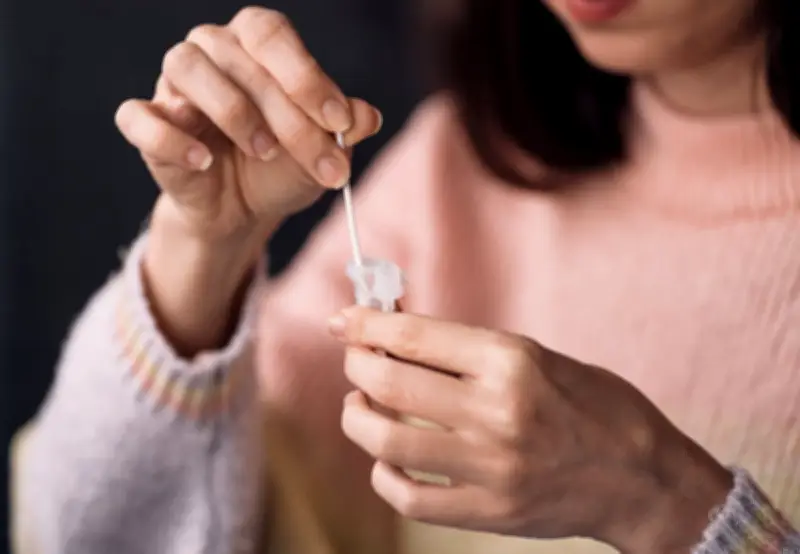
Australia's only approved at-home test kit for chlamydia and gonorrhoea has been suspended by the Therapeutic Goods Administration (TGA) after a review found it 'is not reliable' and poses a high risk for false negative results. The product, manufactured by Touch Biotechnology, was pulled from pharmacy shelves following concerns that it failed to detect infections in an unspecified number of patients.
TGA Suspension and Findings
The TGA handed Touch Biotechnology a six-month suspension after its review determined that the self-testing kit 'poses a high risk for false negative results for users.' The regulator was alerted by a health service in May about false negative results affecting an unspecified number of patients, though the TGA could not reveal which health service raised the concern. The TGA stated it 'does not have a reliable estimate of how many users may have received false negative results.'
Product Details and Company Response
The test, which first hit pharmacy shelves in December 2024 with a typical retail price of $24, involves taking a vaginal swab placed in a container with testing solution. Touch Biotechnology's general manager, Mazz Gencer, acknowledged the TGA's action and said the company has ceased supply as 'further verification and performance testing are completed.' At the time of approval, the company claimed its product correctly identified more than 99% of positive cases for both chlamydia and gonorrhoea when compared against urine PCR testing, and did not produce any false positives.
Regulatory Compliance and Expert Concerns
Touch Biotechnology said it followed the established regulatory assessment process at the time of registration but declined to share evidence, citing non-disclosure of non-public regulatory submissions. As part of approval conditions, the company was required to maintain a post-market surveillance report, including information on adverse events. The company also declined to provide findings of any reviews.
When the product was approved in late 2024, sexual health experts urged caution. Dr Sara Whitburn, deputy medical director at Sexual Health Victoria, said the TGA's findings 'highlight the need for stronger evidence requirements and ongoing oversight of self-testing kits.' She called for stronger independent evidence, including peer-reviewed clinical data and real-world performance studies, before future approvals of similar products.
Health Implications and Recommendations
Whitburn warned that false negatives can have serious consequences. 'As chlamydia and gonorrhoea are often asymptomatic, an undetected infection can remain untreated and be passed on to sexual partners. For some people, delayed diagnosis and treatment can lead to complications such as pelvic inflammatory disease, infertility and ectopic pregnancy,' she said. Whitburn noted that 'at-home STI self-tests can play an important role in making testing more accessible … they shouldn't replace clinic-based care,' but stressed that 'a negative result doesn't always rule out an STI.' She advised that anyone who used the self-test and received a negative result should see a doctor or visit a sexual health clinic for further assessment and a laboratory test to confirm their result.




