
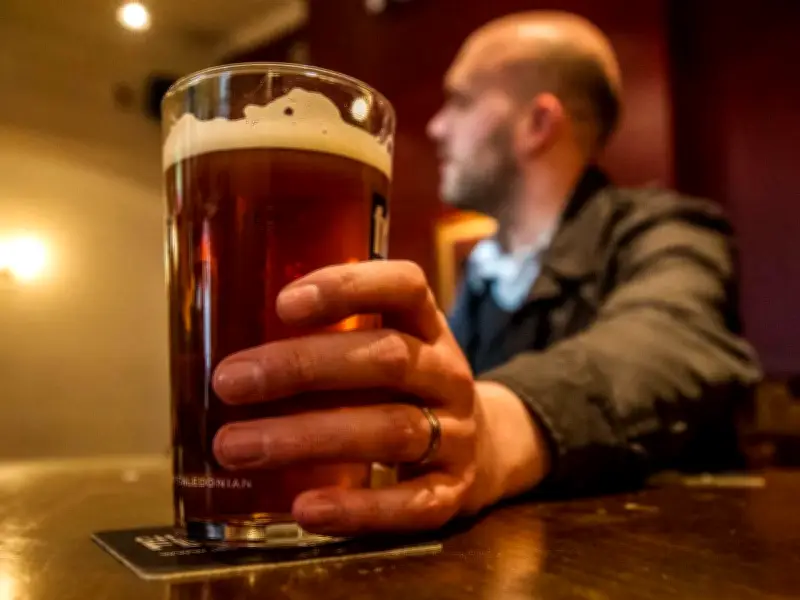
More than 67,000 adults across Liverpool are classed as binge drinkers, according to health officials. Liverpool Council has adopted a new five-year strategy to reduce harm and "rebalance" the city's relationship with alcohol, aiming to strike a balance between reducing harm and supporting the city's thriving nighttime sector.
NHS binge drinking guidelines
Analysis by health officials suggests binge drinking affects around 67,300 adults throughout Liverpool, equivalent to 13% of the population. An estimated 55,000 men and 31,800 women are drinking above recommended guidelines. NHS guidelines class binge drinking as more than eight units in a single session for men, or more than six units for women.
Complex relationship with alcohol
City leaders have described Liverpool's relationship with alcohol as "complex" - with pubs, bars, restaurants and clubs thought to provide more than 50,000 jobs in the nighttime economy. On the other side, £330m is spent a year dealing with alcohol-related issues across Liverpool.
The programme, which would run to 2032, said "alcohol contributes to preventable illness, hospital admissions, avoidable deaths, domestic abuse, anti-social behaviour and crime." However, alcohol has become embedded in the fabric of social life within Liverpool and is a key component of the economy.
Public health director's comments
Professor Matt Ashton, Liverpool's director of public health, said: "Liverpool has a proud and vibrant hospitality sector, but like many cities, we also see the impact that alcohol-related harm can have on people's lives, families, and communities. When we describe Liverpool's relationship with alcohol as ‘complex’, we mean recognising both realities."
"While many people drink responsibly and enjoy the benefits of the city's nightlife and hospitality offer, alcohol-related harm remains a significant public health challenge, and awareness of alcohol units and associated health risks remains relatively low. We're also seeing changing drinking patterns, with younger people generally drinking less than previous generations, while higher-risk drinking is increasingly concentrated among some middle-aged and older adults."
"Liverpool is also an increasingly diverse city, with many residents choosing not to drink alcohol for cultural, religious, or personal reasons. The strategy is about striking the right balance. We want to support our thriving hospitality sector while helping people make informed choices, reducing alcohol-related harm and ensuring support is available earlier for those who need it."
The estimate of more than 60,000 binge drinkers is based on nationally recognised public health data and modelling. The NHS defines binge drinking as drinking more than eight units in a single session for men, or more than six units for women.
Cabinet member's response
Speaking at a cabinet meeting earlier this week, Cllr Harry Doyle, cabinet member for health, wellbeing and culture, said: "We have to be honest about the harm alcohol can cause to health, family finances and wellbeing, particularly children and vulnerable people."
He added how there was still a "lot to do" but the authority would remain focused on prevention, early intervention and tackling health inequalities to ensure that where someone lives or personal circumstances did not impact their ability to access treatment. Cllr Doyle said: "This is the start of our journey to resetting the city's relationship with alcohol."




