High blood pressure, known as the 'silent killer,' often presents no symptoms until it causes serious health issues. If left untreated, it increases the risk of heart attacks, strokes, kidney disease, and vascular dementia. Damien, an advanced nurse practitioner, shared five warning signs on TikTok (@Anpdamo) that may indicate hypertension. These symptoms should prompt a visit to a healthcare professional for proper diagnosis and treatment.
Common Warning Signs of High Blood Pressure
Damien noted: "Most people with high blood pressure feel absolutely fine, that's why it's known as a silent killer. [This is] something that affects one in three adults in the UK, and most people don't even know it."
The first subtle sign is persistent morning headaches. Damien explained: "Not every headache, but persistent headaches when you wake up can be a warning sign that is not to be ignored."
Vision Changes and Shortness of Breath
Other possible symptoms include blurred vision, seeing spots, or episodes where vision becomes strange. Damien said: "Your eyes have tiny blood vessels that are very sensitive to these pressure changes."
Shortness of breath during activities that should not be physically demanding is another common sign. For example, climbing stairs may "leave you a little bit more breathless than usual." This indicates the heart is working harder than normal.
Nosebleeds and a Feeling of Unease
While nosebleeds are usually harmless, frequent or heavy nosebleeds combined with other symptoms should not be ignored. The fifth sign, often overlooked, is a vague feeling that something is wrong. Damien said: "Patients often discuss a feeling that they can't explain, and this is feeling anxious [or] restless."
Getting Your Blood Pressure Checked
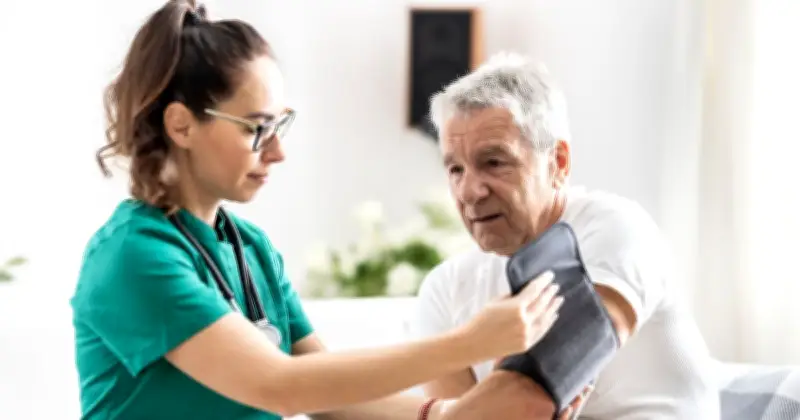
Many pharmacies offer free blood pressure checks for people aged 40 or over. GP surgeries also provide checks if you suspect you have high blood pressure or are at risk. You can call 111 or get help online if you have frequent headaches, blurred vision, chest pain that comes and goes, or other worrying symptoms.
The only way to know if you have high blood pressure is to get it checked. Treatment includes medication and lifestyle changes, such as a healthy diet and exercise. The NHS recommends at least 150 minutes of exercise per week to lower hypertension risk.