Five people are in hospital and 27 have fallen sick in a salmonella outbreak linked to raw oysters sold across more than a dozen US states. Health officials have recalled the oysters and urged consumers not to eat them, advising they be thrown away immediately.
The contaminated oysters were harvested by the Little Wicomico Oyster Company from the Little Wicomico River, which flows into the Chesapeake Bay in Virginia. The initial warning was issued by health officials on Friday, October 9.
States Affected by the Outbreak
Patients have been confirmed in states across the Northeast and South, as reported by the Daily Mail. Pennsylvania has recorded eight cases, New York has four, Virginia has three, and Colorado, Indiana and Maryland have two each. Single cases have been confirmed in Connecticut, Florida, Kentucky, Illinois, Iowa and New Jersey.
Health authorities recalled oysters sold across 15 states that were harvested between September 18 and October 8. The oysters were sold in Colorado, Connecticut, Washington DC, Florida, Georgia, Illinois, Maryland, Missouri, North Carolina, New Jersey, Nevada, New York, Pennsylvania, Virginia and Texas.
Health Advice and Restrictions
Anyone who has purchased the oysters has been urged not to eat them and to dispose of them immediately. Consumers have also been told to wash items or surfaces that may have come into contact with the oysters, while businesses have been instructed not to sell or serve them. Anyone who believes they may have been infected after consuming the oysters is urged to contact their health provider.
It is now illegal to harvest, store or transport shellfish from the affected areas without a special permit from the Marine Resources Commission. This restriction will remain in place until Saturday, November 7.
Salmonella Symptoms and Risks
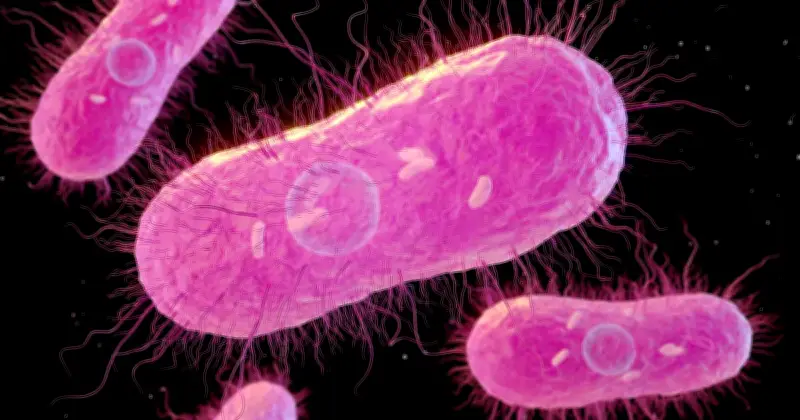
Salmonella can cause diarrhea, stomach cramps, fever, nausea and vomiting, as well as more severe and even life-threatening complications such as dehydration and sepsis. The UKHSA states that most people become infected through eating contaminated food, including eggs, chicken, pork and dairy products. Fruit and vegetables can also carry the bacteria if they have been in contact with livestock, manure or untreated water.
The agency notes that in rare cases, salmonella can be caught from close contact with someone who has diarrhoea or from contact with an unwell animal. Symptoms typically include diarrhoea, stomach cramps and sometimes vomiting and fever, usually appearing between 12 and 72 hours after infection. Illness typically lasts 4 to 7 days, and while most people recover on their own, some are at greater risk of severe illness, including bloodstream infections, sepsis and, in rare cases, multi-organ failure.