Hundreds of cancer patients in Australia may soon have more affordable access to a life-saving drug that currently costs thousands of dollars per month. The Pharmaceutical Benefits Advisory Committee (PBAC) has recommended extending the listing of Retevmo (selpercatinib) on the Pharmaceutical Benefits Scheme (PBS) to include patients with medullary thyroid carcinoma (MTC), a rare and sometimes hereditary form of thyroid cancer.
Patient Stories Highlight Urgent Need
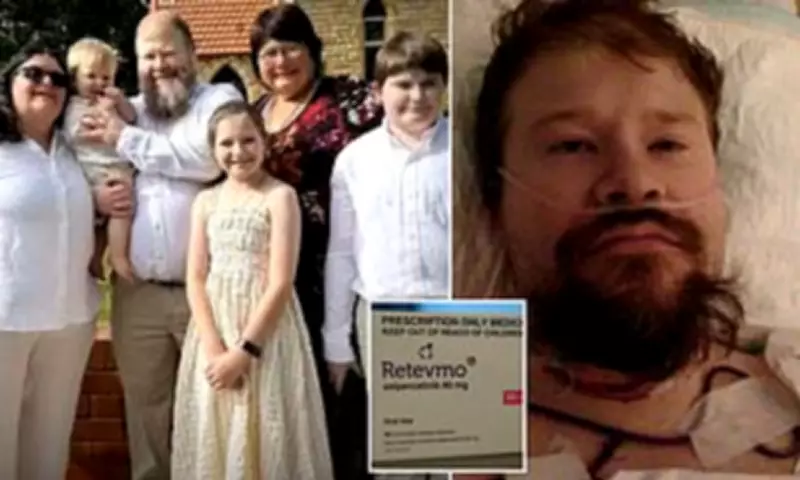
Clinton James, a 42-year-old father of three from the New South Wales South Coast, has been fighting MTC since 2016. The cancer cannot be effectively treated with chemotherapy or radiation, and despite multiple surgeries, it has continued to spread. However, since starting Retevmo two years ago through Eli Lilly's compassionate access program, the drug has halted both existing and new tumours and dramatically improved his quality of life.
Mr James was initially told the drug would be listed on the PBS by March 2025, but when his subsidised access was withdrawn, he faced a monthly bill of $8,000—more than his family's income. Other MTC patients reported costs of up to $16,000 per month. Rationing his remaining supply against medical advice, Mr James launched a fundraiser that raised $40,000 to continue treatment while advocating for PBS listing.

PBAC Recommendation Brings Hope
The PBAC recommendation is a significant step, but several processes remain before the drug is listed, including pricing negotiations between the manufacturer and the Department of Health, finalising listing details, quality checks, and government approval. This could take up to five months. Currently, Retevmo costs $25 for eligible lung cancer patients on the PBS.
Mr James welcomed the news but expressed concern about delays. 'While the PBS listing is fantastic news, it's incredibly hard knowing patients may still have to wait another three to six months before they can actually access the treatment at an affordable price,' he said. 'For many cancer patients, time isn't something we have in abundance.'
Broader Impact and Advocacy
Meredith Cummins, CEO of NeuroEndocrine Cancer Australia, highlighted that up to 436 Australians are diagnosed with MTC each year. 'PBAC's recommendation is an important step forward for Australians living with medullary thyroid carcinoma and for families who have been carrying the financial and emotional burden of accessing this treatment on their own,' she said. 'No one should have to fundraise to access a treatment that could extend or save their life.'
The PBAC acknowledged that patient and healthcare professional feedback played a vital role. However, the committee noted that the proposed price was unacceptably high and value for money unclear due to uncertainties about long-term treatment duration and benefits. The drug has been subsidised for MTC in several countries, including the UK, for five years.
Mr James, who recently travelled to Canberra with his mother to lobby officials, remains hopeful. 'This isn't just about me—it's about every Australian cancer patient who deserves access to the best available treatment regardless of their financial situation,' he said. 'Our hope is that the medication will be streamlined through the necessary processes so those who need it sooner rather than later will benefit.'