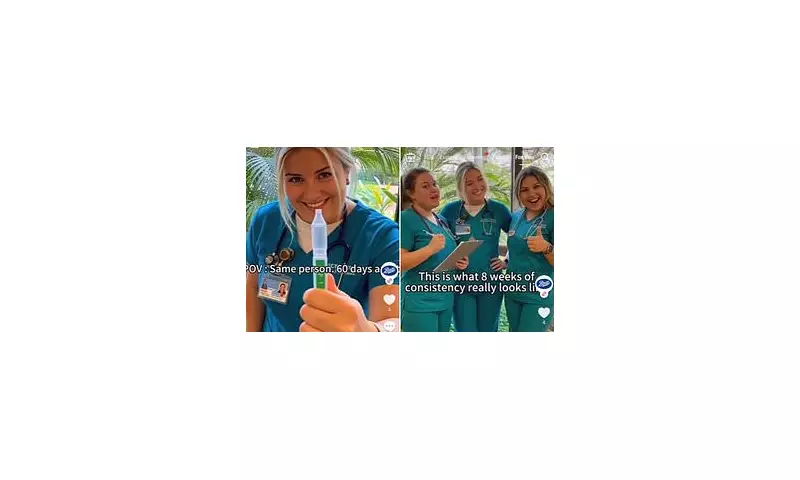
A fraudulent social media account that allegedly used artificial intelligence to create fake adverts for weight-loss drugs, while impersonating the high street pharmacy chain Boots, has been taken down. The BBC revealed the scam, which involved the promotion of prescription-only slimming medications through misleading videos on TikTok.
How the TikTok Scam Operated
The fake account, using the handle @BootsOfficial and branding similar to the genuine Boots UK page, posted clips appearing to show Boots health professionals. In the videos, individuals drank a blue liquid from small vials, followed by dramatic before-and-after transformations claiming significant weight loss.
The videos linked to an external website selling weight-loss medications. An investigation found that customer testimonials on the site were either fabricated using AI technology or stolen from other online sources. Furthermore, the scam reportedly reused genuine weight-loss journey videos from real people without their consent, repurposing the content to sell drugs.

Boots confirmed it only runs advertisements through its legitimate @BootsUK social media account. A company spokesperson told the BBC they were aware of the fraudulent videos and reported them, leading to their removal.
Platform Action and Regulatory Warnings
While TikTok states it prohibits 'harmful or misleading AI-generated ads' and bans the promotion of controlled substances, the BBC found initial enforcement was incomplete. The account, reportedly based in Hong Kong, remained active after the first videos were removed, allowing the same content to be re-uploaded. It was only after further alerts that the fake account was deleted entirely.
The Medicines and Healthcare products Regulatory Agency (MHRA) issued a stern warning in connection with the case. A spokesperson emphasised that prescription weight-loss medicines 'should only be obtained from a registered pharmacy against a prescription issued by a healthcare professional'. They added that sourcing such drugs elsewhere carries serious health risks with no guarantee about their contents.
AI Makes Scams 'Trivially Easy', Expert Warns
Sam Gregory, a recognised AI expert, told the BBC that advancements in technology are making it simpler for fraudsters to target consumers. 'AI now makes it trivially easy to generate a convincing series of videos or images showing an apparent change in a plausibly real generic health professional, or to impersonate specific health professionals wholesale,' he stated.
He raised concerns about how swiftly online platforms act when they detect, or are notified of, scams that breach their terms of service, noting that major brands like Boots likely receive prioritised action over smaller businesses or individuals.
A Pattern of Dangerous Weight-Loss Fraud
This incident follows a similar warning issued earlier this summer regarding fake weight-loss adverts. Researchers at the consumer group Which? identified 62 misleading online ads for a slimming pill called Nixol. Many ads falsely claimed endorsement from BBC's Dragons' Den, using the show's logo and images of investor Sara Davies MBE without permission.
Several of these fraudulent advertisements linked to websites designed to mimic Daily Mail news articles, using MailOnline branding to appear legitimate. Which? warned these adverts were deliberately misleading and posed a significant risk to consumer health, often making baseless claims about rapid weight loss and a lack of side effects.
Ms Davies confirmed she was aware of the scams using her image and stated she was working with BBC legal teams to have the adverts removed.