Potty training expert Ann Costigan, a registered paediatric nurse specialising in childhood bowel issues and toilet training, has highlighted an overlooked factor that could make learning harder for toddlers: constipation. Even if a child poos every day, constipation can still be part of the problem, she told her 31,100 Instagram followers.
In a recent clip, Costigan said: "Your child poos every day, but toilet training is still a struggle. Could constipation be part of the picture. Yes it could be." She elaborated in the caption: "Struggling with potty training? Constipation could be part of the picture—and it isn't always obvious."
Why Constipation Complicates Potty Training
Costigan explained that if poo has been hard or painful, a child may start holding it in. This can create a cycle of discomfort, withholding and fear, making learning to poo on the potty much harder. She noted: "Your child can poo every day and still be constipated. Passing some poo doesn't always mean their bowel is emptying well."
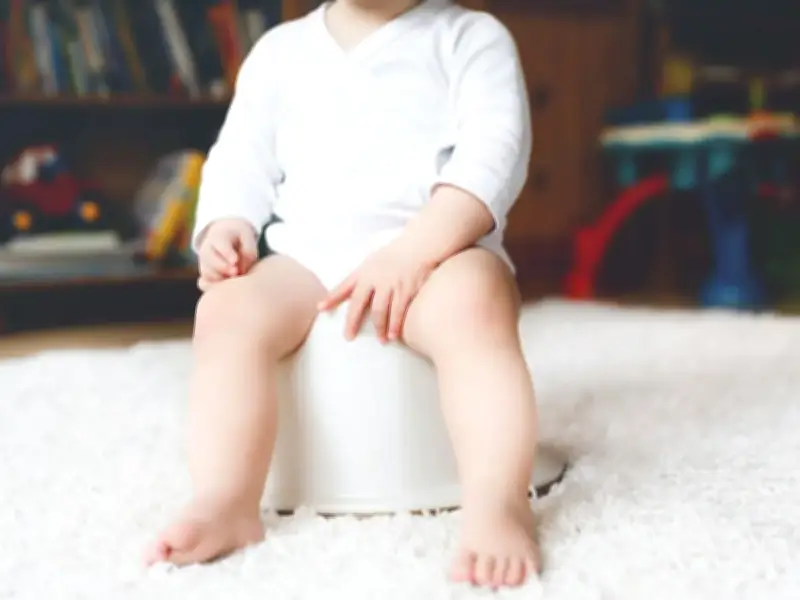
Parents often begin potty training between 18 months and two-and-a-half years, a period when such issues commonly surface. The NHS states that almost all children can learn to use a potty within this age range.
Signs Parents Should Watch For
Costigan advised parents to look out for several signs that may indicate constipation, including hard, pebbly or very large poos; crossing legs, clenching or going stiff to hold poo in; poo stains or accidents in underwear; tummy discomfort or a change in appetite; distress around doing a poo; multiple small poos in the day; and pooing in a nighttime nappy when it goes on or during sleep.
She concluded: "These behaviours can be clues that your child needs help to poo comfortably. Recognising and treating constipation can make a big difference to their potty training journey."
When to Start Potty Training
There is no strict timeline for beginning potty training, but the NHS advises that starting around 18 months to two-and-a-half years gives children time to practise new skills and build confidence without nappies. The NHS added: "Starting around this age gives your child time to practice these new skills and build confidence without nappies. The best thing to do is to start the training. You do not need to wait for your child to show signs or ask to use a potty before you start."