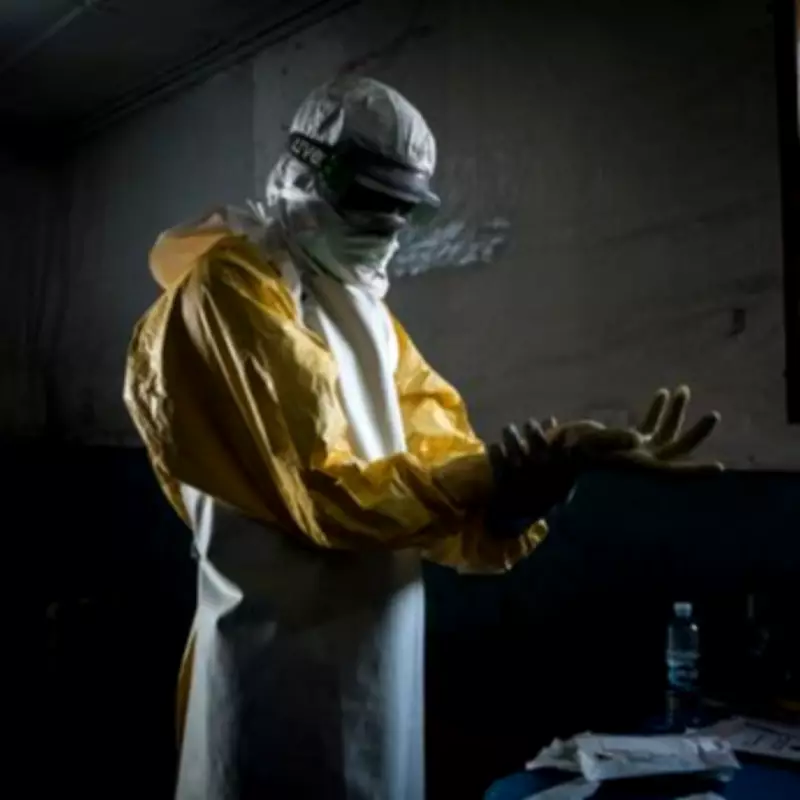
The World Health Organisation (WHO) has declared a global health emergency following a deadly outbreak of Ebola in Africa. This is everything you need to know about the killer disease.
Outbreak Details
Cases of Ebola have been reported across the Democratic Republic of the Congo and neighbouring Uganda. WHO officials have declared the incident a Public Health Emergency of International Concern. The declaration comes amid a sharp rise in cases linked to the Bundibugyo strain of the virus, with officials raising concerns about cross-border transmission, population displacement, and ongoing conflict in eastern Congo that are increasing the risk of further spread.
Health authorities have reported 246 suspected cases and more than 80 deaths in Congo's Ituri province. Ugandan officials have also confirmed a fatal imported case involving a Congolese patient who travelled to Kampala for treatment before dying from the illness.

International Response
WHO chiefs stated that the outbreak met the threshold for a coordinated international response. The Africa CDC warned of 'active community transmission' as health workers intensify screening and contact tracing efforts to contain the disease.
Jean Marc Asimwe, a Bunia resident, told The Guardian: 'Every day, people are dying…and this has been going on for about a week. In a single day, we bury two, three or even more people. At this point, we don’t really know what kind of disease it is.'
The current outbreak is the Congo's 17th recorded incident since the virus was identified in 1976. The last outbreak ended in December last year. The WHO, Africa CDC, and the US Centers for Disease Control and Prevention are coordinating support efforts, including surveillance, laboratory testing, contact tracing, and emergency response deployments. Currently, both Congo and Uganda have active Ebola outbreaks.
Ebola Symptoms
According to the NHS, Ebola symptoms can appear between two and 21 days after infection, often suddenly. They include flu-like symptoms such as a high temperature, extreme tiredness, and headache. Scottish nurse and aid worker Pauline Cafferkey contracted Ebola in 2014 while working in Sierra Leone and survived.
Other symptoms include:

- Vomiting
- Diarrhoea and stomach pain
- A skin rash
- Yellowing of the skin and eyes
- Blood in stool
- Bruising all over the body
- Bleeding from ears, eyes, nose, or mouth
- Muscle pain
- Sore throat
- Blood in vomit or faeces
- Bleeding from nose, gums, or vagina