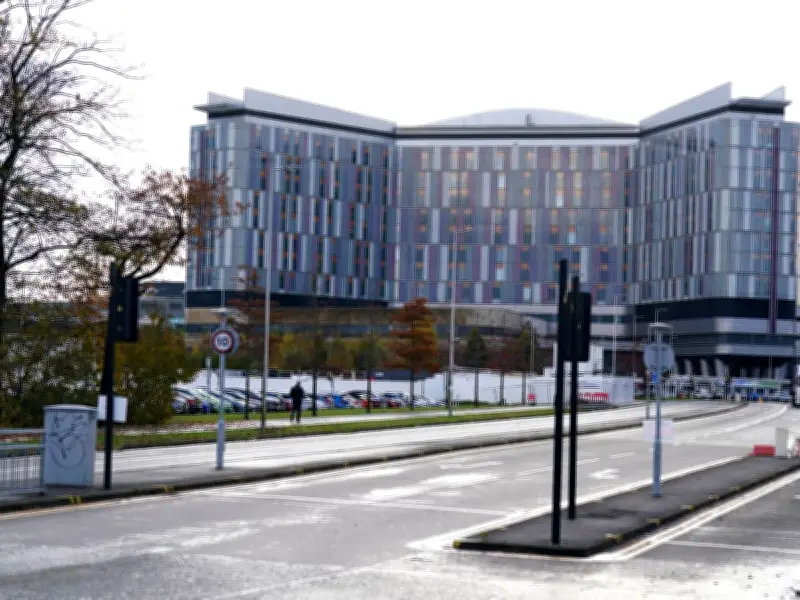
A suspected case of the Ebola virus has prompted the lockdown of a hospital unit in Glasgow, Scotland. The Queen Elizabeth University Hospital's Acute Receiving Unit was sealed off from the public on Tuesday at around 6am after a patient presented with symptoms consistent with the disease, according to reports from the Press Association and The National.
Patient History and Immediate Response
The patient had recently traveled to an Ebola-affected country before returning to Glasgow. Upon developing concerning symptoms, they went directly to the Acute Receiving Unit, which is designated for patients referred by their GP or through the health board's 101 number to avoid accident and emergency. The unit was swiftly closed and placed under lockdown conditions while the patient was assessed and confined for further testing, treatment, and examination.
A hospital source told The National: “Obviously Ebola is a deadly and contagious illness, and emergency measures had to be put in place immediately to protect both staff and any members of the public. The person came to the Acute Receiving Unit... This was quickly shut down and sealed off from the rest of the hospital. The person was assessed there and then taken elsewhere in the hospital. I believe they were put into confinement while the tests to establish if they have Ebola or something else are carried out.”

Staff Concerns and Protocols
Another hospital worker told the Glasgow Times: “The mere mention of the word Ebola strikes panic into people. You think of it as a disease that happens elsewhere. The hospital has strict protocols and procedures to deal with these types of rare occurrences and everything seemed to be followed to a tee, but it is still a worry for those who were on duty at the time.”
Public Health Scotland (PHS) confirmed that it is working closely with the UK Health Security Agency (UKHSA) to assess travel routes from affected countries. A PHS spokesperson stated: “PHS is working closely with the UK Health Security Agency to assess routes by which travellers may enter the UK from affected countries. The risk from people arriving in the UK from affected areas is low and the NHS has safe procedures in place for detecting and managing any such cases.”
Established Protocols and Risk Assessment
PHS and NHS boards across Scotland have well-established protocols for assessing and testing travellers arriving from Ebola-affected areas. Where required, contact tracing will occur, and contacts may undergo clinical assessment and precautionary testing. The UKHSA Returning Workers Scheme (RWS), which aims to protect and monitor the health of those who may travel from the UK to affected areas for their work, has been activated. Organisations deploying workers to affected areas where they may be exposed to Ebola through their work should register those workers with the scheme.
The PHS spokesperson added: “There are currently no confirmed cases of Ebola in Scotland and the risk to the general public remains low. Ebola is transmitted through direct contact with blood or bodily fluids of symptomatic individuals or contaminated objects. Scotland has strict protocols for monitoring and controlling potential cases.”
Historical Context
If testing returns positive for Ebola, it would be the first case in Glasgow in over a decade. In 2014, public health nurse Pauline Cafferkey from Cambuslang contracted the disease while working at the Ebola Treatment Centre in Kerry Town, Sierra Leone. She received treatment in Glasgow and made a full recovery.