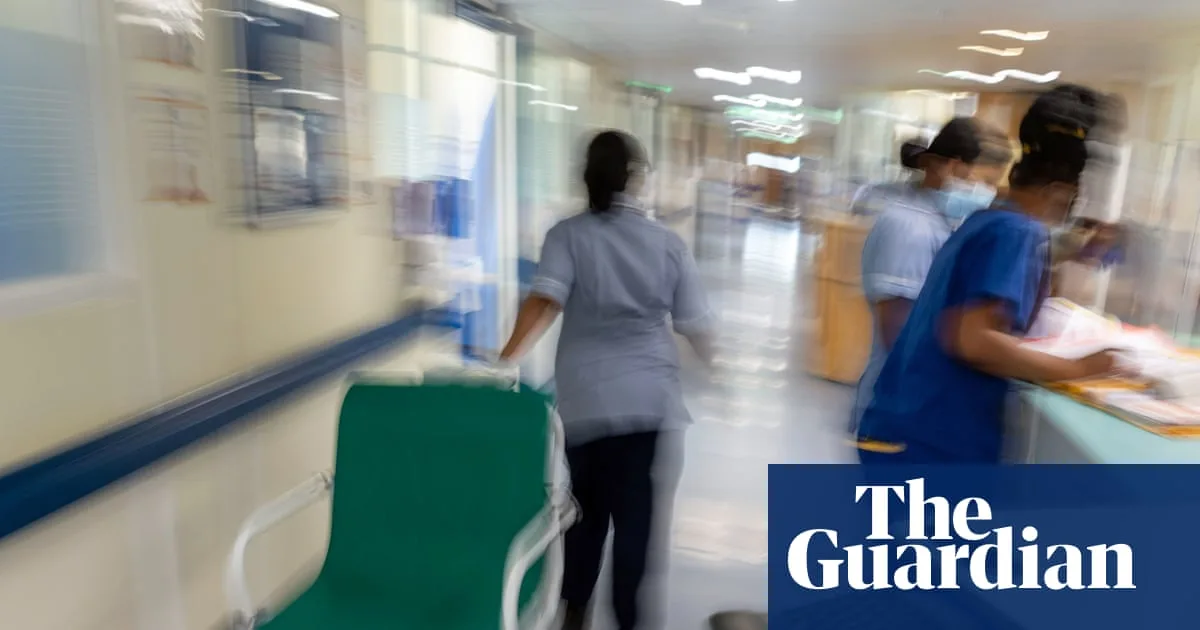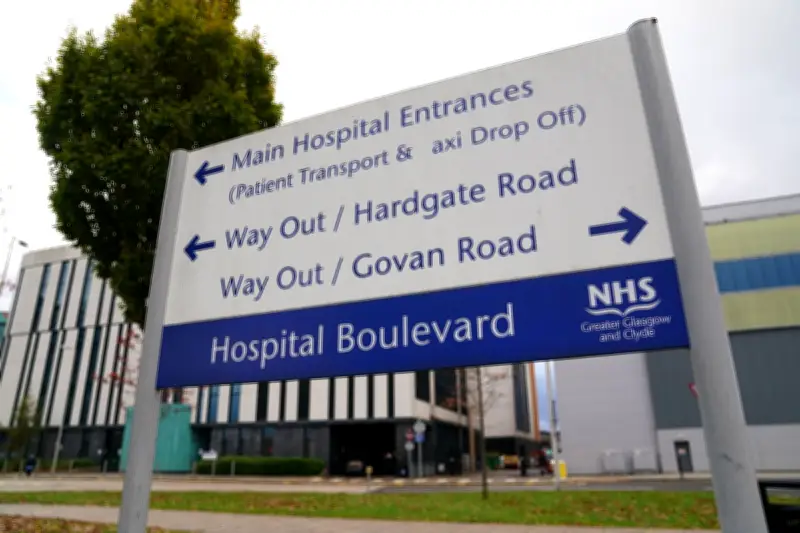
A patient is being tested for the suspected Ebola virus at the Queen Elizabeth University Hospital in Glasgow, according to the Press Association. The individual was admitted in the early hours of Tuesday, and tests are currently underway to confirm whether they have contracted the disease.
No Confirmed Cases in Scotland
Public Health Scotland has stated that there are “no confirmed cases of Ebola” in Scotland at present. However, the agency noted that it is “working closely with UKHSA, to assess routes by which travellers may enter the UK from affected countries.” The risk from arrivals is considered low, and the NHS has established procedures for detecting and managing potential cases.
“PHS and NHS boards across Scotland have well established protocols for assessing and testing travellers arriving in the UK from areas affected by Ebola where necessary,” the statement continued. “Where required, contact tracing will occur and contacts may undergo clinical assessment and precautionary testing.”

Ebola Outbreak Background
There have been almost 700 confirmed cases of bundibugyo Ebola virus, the majority in the Democratic Republic of Congo. Some 138 people have died, including two in neighbouring Uganda. If confirmed, this would be the first case in the UK since the outbreak in the DRC was declared a public health emergency of international concern by the World Health Organisation (WHO).
The UK has committed up to £21 million to support the local response to Ebola in DRC, helping to protect frontline workers and vulnerable communities. Officials have stressed that diseases “are not restricted by borders” and it is “vital” the UK works with international partners to protect global health.
UK Public Health Rapid Support Team Deployment
Experts from the UK Public Health Rapid Support Team have been deployed, including seven specialists from the UK Health Security Agency (UKHSA) and the London School of Hygiene & Tropical Medicine. Four will be based in eastern DRC to support WHO field operations, while one will join the WHO country office in Kinshasa. An epidemiologist will also be sent to the Republic of Congo.
Dr Edmund Newman, director of the UK Public Health Rapid Support Team at UKHSA, said: “This deployment will help strengthen the existing response to the Ebola outbreak in the DRC and across the region, with experts in epidemiology, risk communications and community engagement, infection prevention and control and data modelling now on the ground to support.” He added: “We know infectious diseases are not restricted by borders, which is why it’s vital we continue to work collaboratively with the World Health Organisation and other international partners, as well as national and local response organisations, to protect global health security.”