
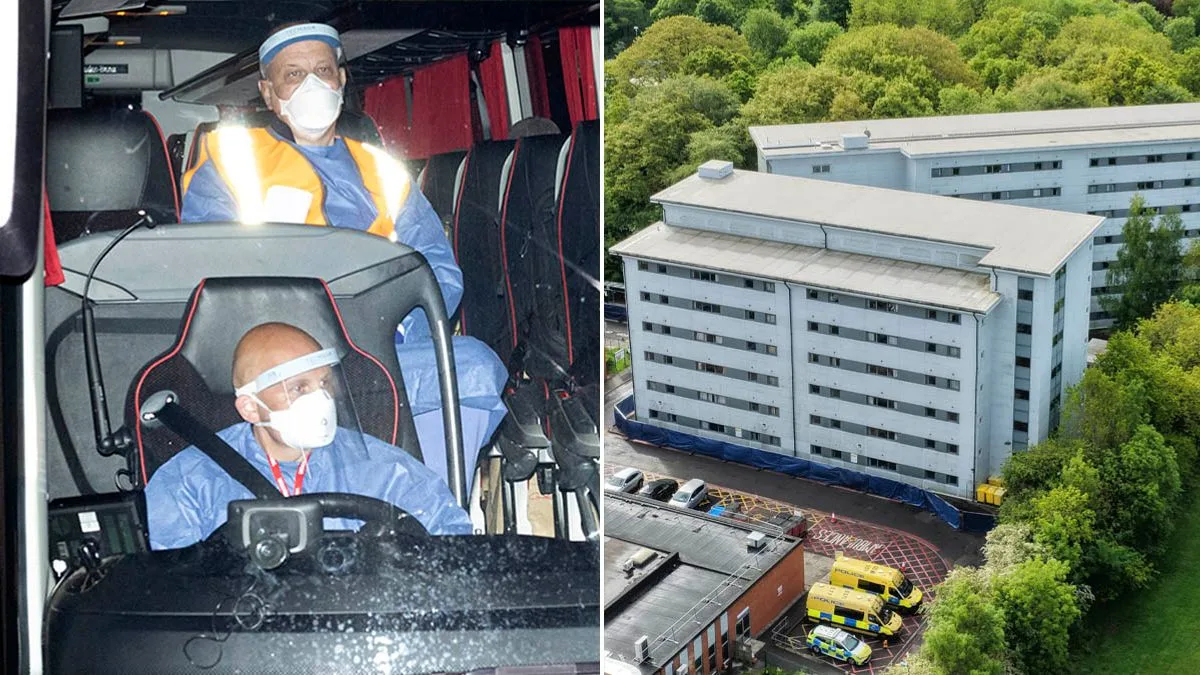
The World Health Organisation (WHO) has warned that more cases of hantavirus are expected following an outbreak on the MV Hondius cruise ship in Tenerife. WHO chief Tedros Adhanom Ghebreyesus said on Monday that due to the virus's incubation period, which can be up to six weeks, additional cases may emerge, though he stressed there is "no sign that we are seeing the start of a larger outbreak."
A total of 22 British nationals were medically evacuated from the vessel on Monday and have been placed under a 45-day quarantine after an initial 72-hour testing period at Arrowe Park Hospital on the Wirral. The WHO has confirmed 11 cases of hantavirus linked to the ship, including three deaths. Nine of the cases have been identified as the Andes strain, which can cause hantavirus pulmonary syndrome (HPS), a severe respiratory illness.
The outbreak is believed to have originated from a Dutch couple who had travelled through Argentina, Chile and Uruguay on a birdwatching trip before boarding the ship. They visited areas where rodents carrying the Andes strain are present. The virus spreads through contact with rodents, contaminated surfaces, or, rarely, through person-to-person contact.
French health minister Stephanie Rist has warned that it is not yet known whether the Andes strain has mutated. Speaking in the National Assembly, she said: "There are things we don't know." French Prime Minister Sebastien Lecornu has called for enhanced cooperation between EU member states and the Schengen area to coordinate health protocols.
In addition to the repatriated Britons, a "small number" of British citizens who disembarked before the outbreak was confirmed are being relocated from St Helena to the UK to complete self-isolation. The Ascension Island government stated that these individuals have been assessed as higher risk, though the likelihood of illness remains low.




