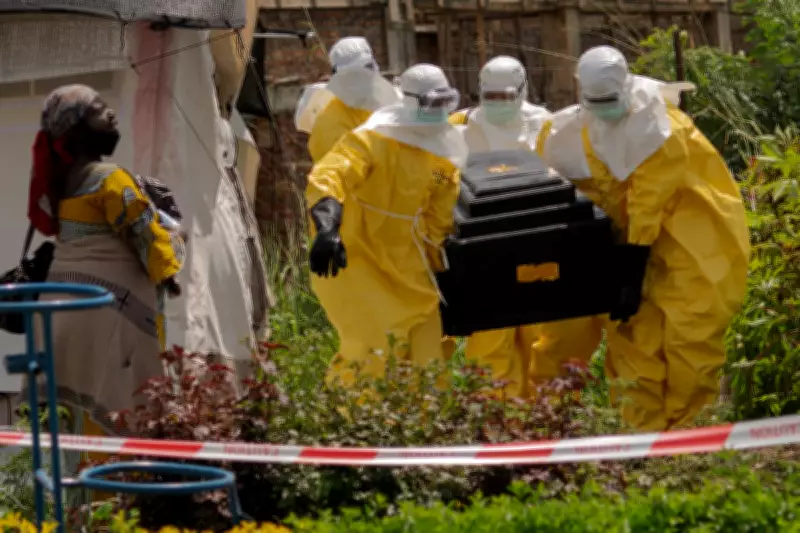
The Ebola virus disease, a severe and often fatal illness, is currently spreading rapidly in parts of Africa. The World Health Organization (WHO) has expressed deep concern over the scale and speed of the outbreak in the Democratic Republic of Congo and Uganda, where over 670 suspected cases have been reported, resulting in more than 160 deaths.
Understanding the Bundibugyo Strain
This outbreak is caused by a rarer strain known as Bundibugyo virus disease. Unlike the more common Zaire strain, there is currently no specific vaccine or treatment available for this strain, complicating containment efforts. The virus is zoonotic, meaning it is transmitted from wild animals to humans, and then spreads through direct contact with infected bodily fluids such as blood, saliva, semen, and vomit.
Transmission and Symptoms
Human-to-human transmission occurs when a person comes into contact with the bodily fluids of an infected individual, whether they are sick or deceased. Symptoms typically appear between two and 21 days after exposure and include high fever, extreme tiredness, headache, muscle pain, and sore throat. As the disease progresses, vomiting, diarrhoea, rash, and internal and external bleeding may occur.

Mortality Rate
The WHO reports that the average case fatality rate for Ebola virus disease is around 50%, though it has varied from 25% to 90% in past outbreaks. The high fatality rate underscores the importance of early detection and supportive care.
Current Situation
Health authorities are working to contain the outbreak through contact tracing, isolation of cases, and public health messaging. However, the lack of a specific vaccine or treatment for the Bundibugyo strain poses significant challenges. International cooperation and rapid response are critical to preventing further spread.