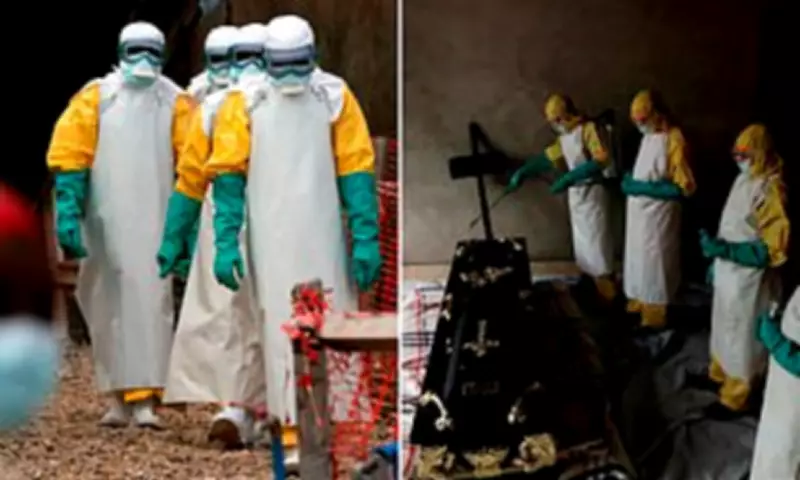
More than 60 people have died following a new Ebola outbreak in the Democratic Republic of the Congo, with hundreds more suspected to be infected, according to the Africa Centres for Disease Control and Prevention (Africa CDC). The majority of deaths and suspected cases have been recorded in the Mongwalu and Rwampara health zones.
Confirmed Deaths and Suspected Cases
The Africa CDC reported that four deaths have been confirmed among laboratory-tested cases. Suspected cases have also emerged in Bunia, though these are pending confirmation. The agency is closely monitoring the situation as the outbreak spreads.
Ebola Transmission and Symptoms
The Ebola virus is highly contagious and spreads through contact with bodily fluids such as vomit, blood, or semen. Early symptoms include fever, muscle pain, fatigue, headaches, and a sore throat. As the disease progresses, it can lead to severe bleeding and organ failure. Ebola is rare but often fatal, with a high mortality rate.

Recent Outbreak History
This latest outbreak comes approximately five months after the Democratic Republic of the Congo declared its previous Ebola outbreak over, which resulted in 43 deaths. The current outbreak marks the country's 17th since the virus was first identified in the region in 1976. A major outbreak between 2018 and 2020 in eastern Congo claimed more than 1,000 lives.
Challenges in Ituri Province
The affected area, Ituri, is a remote region with poor road infrastructure, located over 620 miles from the capital, Kinshasa. This geographical isolation complicates response efforts. Additionally, the region has been plagued by violence from armed groups, including the M23 rebel group and the Allied Democratic Force, which is linked to the Islamic State. These conflicts have caused significant displacement and hindered healthcare access.
Logistical Hurdles and International Response
The Democratic Republic of the Congo, Africa's second-largest country by land area, frequently faces logistical challenges in managing disease outbreaks. During last year's outbreak, which lasted three months, the World Health Organisation struggled with vaccine delivery due to limited access and insufficient funding. The new outbreak raises further concerns for the Central African nation, which is already grappling with insecurity and humanitarian crises.