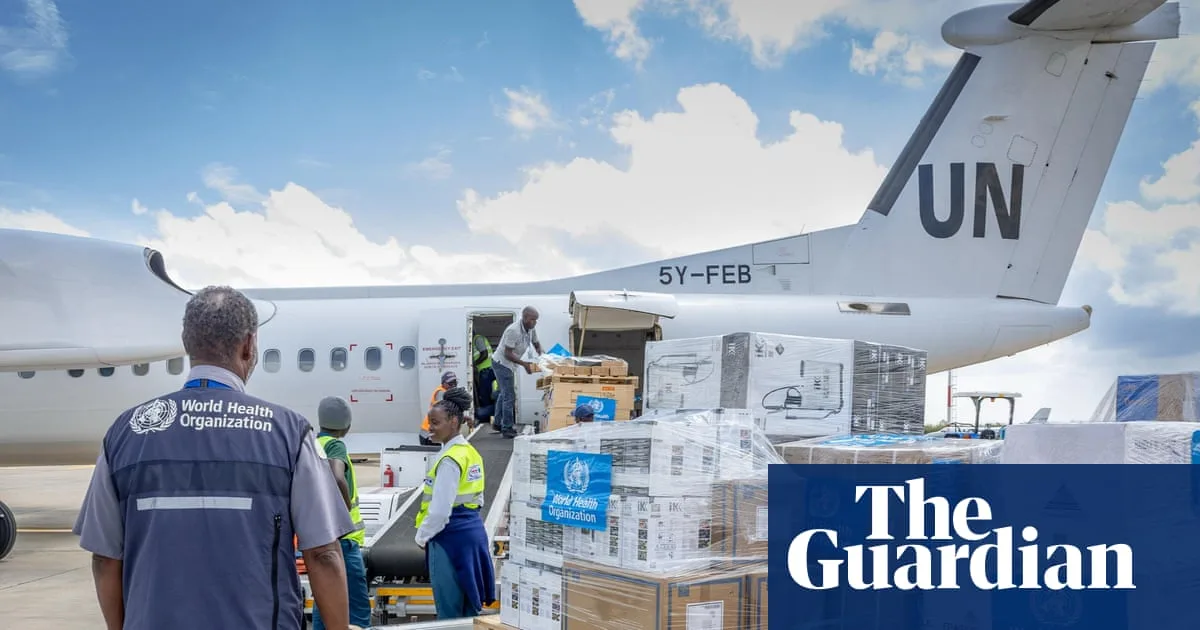
The World Health Organization (WHO) is exploring the potential use of experimental vaccines and treatments to combat the latest Ebola outbreak in the Democratic Republic of the Congo (DRC), as cases and deaths rise rapidly. WHO chief Dr Tedros Adhanom Ghebreyesus expressed deep concern over the speed and scale of the outbreak, which has seen at least 500 suspected cases and 130 suspected deaths since it was announced.
The outbreak involves the Bundibugyo strain of Ebola, for which no approved vaccine or treatment exists. Scientists from the DRC and Uganda have published the virus's genome, suggesting a recent 'spillover event' from an infected animal, followed by human-to-human transmission. Experts believe this may make the outbreak easier to trace and contain, unlike repeated independent spillovers.
Dr Mesfin Teklu Tessema of the International Rescue Committee warned that known cases may be 'the tip of the iceberg' and that spread across the porous border to South Sudan is 'a matter of when'. He highlighted a severe lack of basic protective equipment for healthcare workers in the affected Ituri Province, where most cases have been reported.
The WHO is convening a technical group to advise on potential tests, vaccines, and treatments. While vaccines exist for the Zaire strain, they are not suitable for the current outbreak. In Uganda, authorities have advised against hugging and handshakes, and the annual Uganda Martyrs' Day celebrations have been cancelled. Some countries, including the US, have imposed travel restrictions, while Rwanda has closed its borders with the DRC.
Anne Ancia, the WHO's representative for the DRC, cautioned that the outbreak could take months to control, citing a previous outbreak that lasted two years. The response is complicated by ongoing armed conflict in the region, limiting access to healthcare.