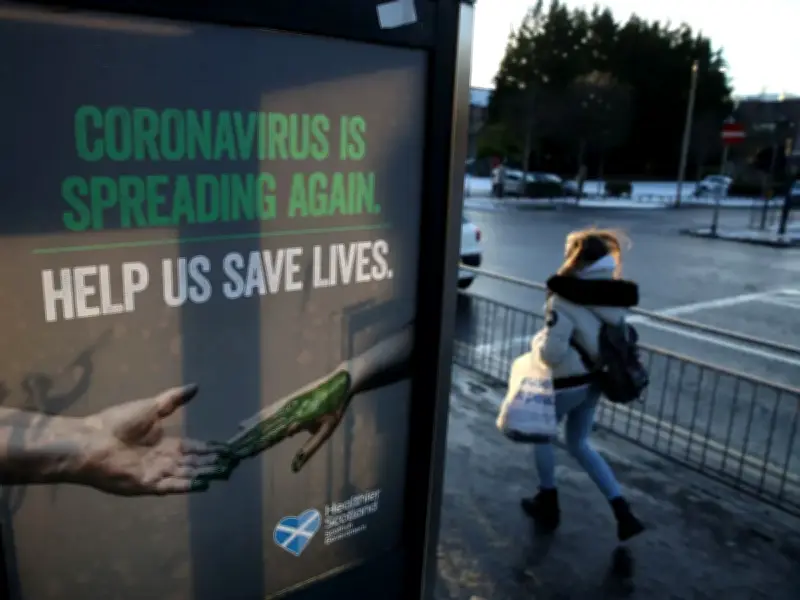
UK Health Security Agency (UKHSA) figures show Covid cases rose by 34% (477 cases) in the week leading to September 30, with deaths up 47.4% (nine more) and hospital admissions up 33.5% (293 more). NHS bosses have warned hospitals are "very, very busy" as winter illnesses, including flu and Covid, rise.
XFG variant reaches UK
Covid-19 adapts to survive, leading to different strains and variants. One currently rising is a variant of the Stratus strain, known as XFG and dubbed 'American Covid'. It earned the nickname after becoming the most common variant in North America, and has now reached the UK, contributing to increased hospital admissions.
For XFG, experts have stressed that a hoarse, croaky or scratchy throat is one of the more distinctive symptoms. According to the NHS, general Covid symptoms include a high temperature, a new continuous cough, loss or change to sense of smell or taste, shortness of breath, tiredness, aching body, headache, sore throat, blocked or runny nose, loss of appetite, diarrhoea, or feeling or being sick.
Vaccines and flu season
The UKHSA says vaccines remain the best defence against severe disease and hospitalisation from flu and Covid. Eligible people will be contacted by the NHS; current eligibility includes those aged 75 and over, people with weakened immune systems, and residents of care homes for the elderly.
Early signs suggest flu season may start earlier this year. UKHSA's first winter virus surveillance data shows flu activity throughout September was higher than in the same period over the past four winters. Levels remain at baseline, but the upward trend suggests an early season, driven largely by cases among those aged 18 to 24.
Advice for those with symptoms
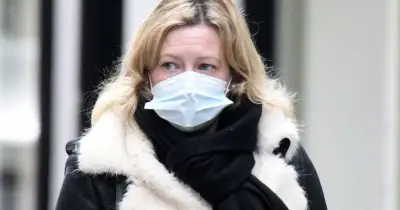
The UKHSA advises anyone with respiratory infection symptoms, such as Covid, to avoid contact with vulnerable people and stay at home if possible. If leaving home is necessary, it urges wearing a well-fitting multi-layered face covering or surgical mask, avoiding crowded places, exercising outdoors away from close contact, covering the mouth and nose when coughing or sneezing, and washing hands frequently with soap and water.