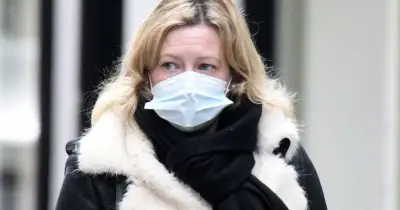
Covid-19 cases are rising in the UK, with terms such as “XFG” and “American covid” appearing frequently in the news. The XFG variant, also referred to as the Stratus variant or “American Covid”, remains the most common Covid-19 variant.
Despite warnings shared in the media, it is not new and has been circulating in the UK and other countries for around a year. The name reflects where the strain was first sequenced and detected, rather than necessarily where it originated.
What do UKHSA figures show?
UKHSA data shows that Covid-19 positive test rates rose to around 7% in September, with hospital admission rates increasing by approximately 50% over the same period. These increases have been observed consistently across England, Scotland, Wales and Northern Ireland, as well as across Europe and the United States, indicating this is not a localised trend, according to UKHSA.
Recent data shows that positive test rates rose around 7% last month and there are likely to be several factors behind this. As winter approaches, colder and wetter weather means people spend more time indoors, which enables the spread of respiratory viruses.
Full list of symptoms
Symptoms of XFG are similar to other variants of Covid-19 like Delta and Omicron. It can cause a sore throat, fever and cough. Other symptoms to look out for include:
- a high temperature – you may feel hot, cold or shivery, or your skin is hot to touch on your chest or back (you do not need to measure your temperature)
- a new, continuous cough – this means coughing a lot for more than an hour, or three or more coughing episodes in 24 hours
- a loss or change to your sense of smell or taste
- shortness of breath
- feeling tired or exhausted
- an aching body
- a headache
- a sore throat
- a blocked or runny nose
- loss of appetite
- diarrhoea
- feeling sick or being sick
The symptoms are very similar to those of other illnesses, such as colds and flu. Most people feel better within a few weeks, but it can take longer to recover.
Why are cases rising and what should you do?
The UKHSA explained it has also been around a year since the last significant Covid-19 wave, so immunity from vaccination and previous infection may be waning in parts of the population, making people more susceptible. Current data does not indicate that these variants lead to more severe illness than other variants in circulation.
A statement shared by UKHSA said: “As increases in hospitalisations are rising in line with overall increases in Covid-19 circulation – rather than rising sharply on their own – this suggests a general increase in Covid-19 activity rather than a variant causing more severe disease.”
Advice added: “If you have symptoms of a respiratory infection, such as Covid-19, and you have a high temperature or do not feel well enough to go to work or carry out normal activities, you should avoid contact with vulnerable people and stay at home if possible.” To reduce the chance of passing your infection onto others, you can wear a face mask, avoid crowded places like public transport and cover your mouth and nose when you cough or sneeze.