
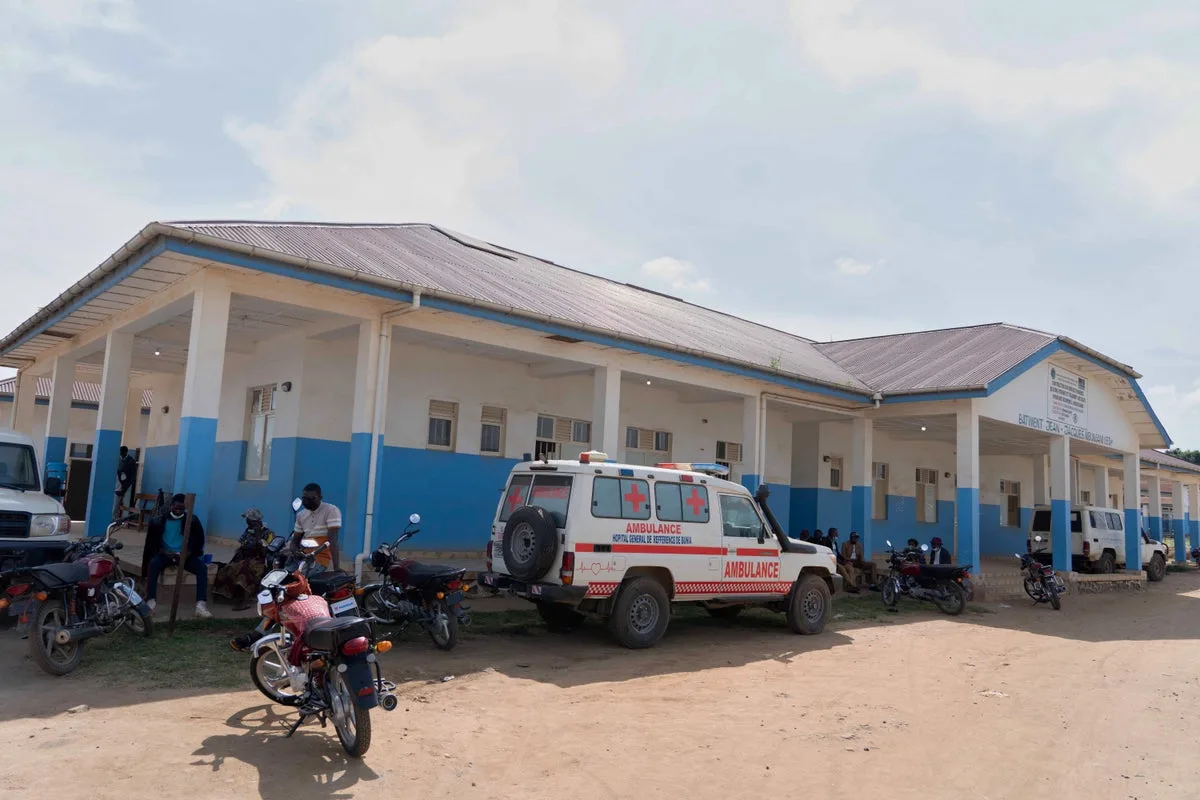
The Congolese health minister announced the opening of three treatment centres in the Ituri region on Sunday evening, as he visited the area amid an ongoing Ebola outbreak. Samuel Roger Kamba said the hospitals are under stress but the new centres will expand capabilities.
The World Health Organization declared the outbreak a public health emergency of international concern on Sunday, after more than 300 suspected cases and 88 deaths in Congo, plus two in Uganda. Cases have been reported in Kinshasa and Goma, though the outbreak is centred in Ituri.
A team of 35 experts from the WHO and the Congolese Ministry of Health arrived in Bunia with seven tonnes of emergency medical supplies, the WHO Regional Office for Africa said. The declaration is meant to spur international response, as Ebola is highly contagious and often fatal.
Jean Kaseya, Director-General of the Africa Centre for Disease Control and Prevention, expressed concern about the lack of medicines and vaccines. The current outbreak is caused by the Bundibugyo virus, a rare variant with no approved treatments or vaccines.
This is only the third time the Bundibugyo virus has been detected. It was first identified in Uganda in 2007-2008, infecting 149 people and killing 37, and appeared again in Congo in 2012 with 57 cases and 29 deaths.




