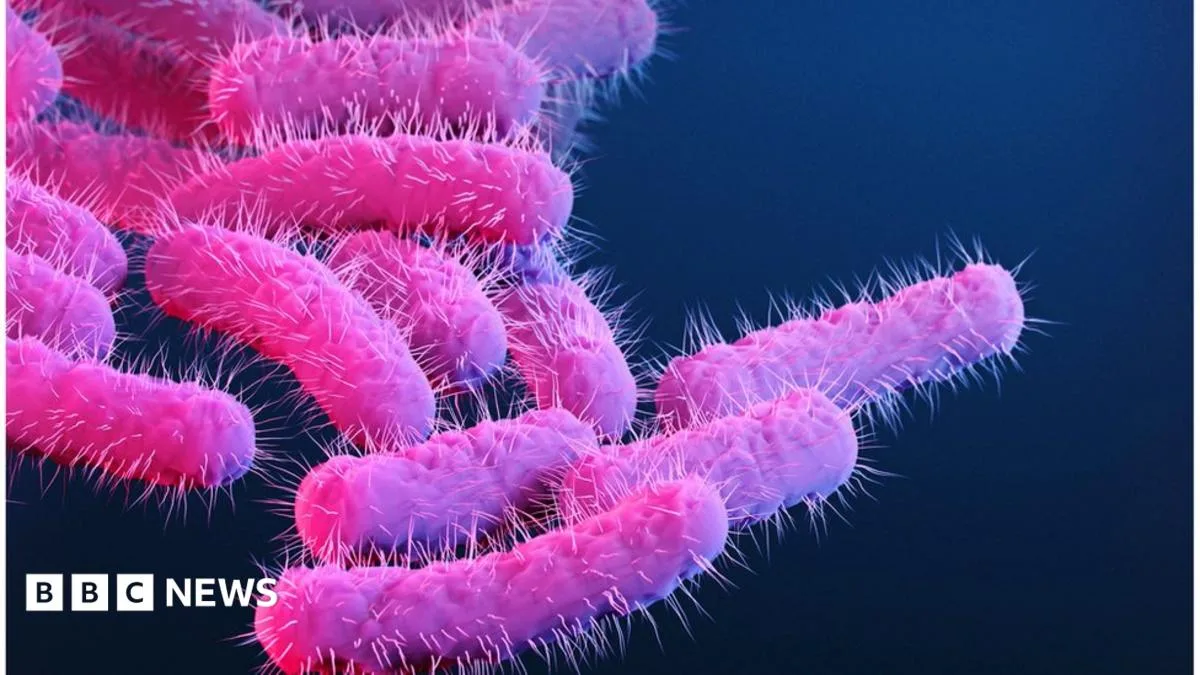
US health officials are warning of an increase in a drug-resistant strain of Shigella bacteria, which causes fever, diarrhoea and stomach pain. The US Centers for Disease Control and Prevention (CDC) described the strain as a 'serious public health threat' due to its resistance to common antibiotics.
Since 2015, the proportion of Shigella infections linked to the XDR (extensively drug-resistant) strain has risen from 0% to 5% in 2022. In 2019, only 1% of cases were associated with this strain, which is resistant to five commonly used antibiotics.
Shigella spreads easily through direct and surface contact with infected faeces, causing shigellosis, a form of dysentery. While most cases can be managed with hydration and rest, the CDC warns that without effective treatment, severe illness or death can occur. Currently, fewer than five deaths per year are reported in the US.

The XDR strain has been most commonly identified in homeless individuals, international travellers, men who have sex with men, and immunocompromised people. The CDC urges healthcare professionals to report suspected cases and educate at-risk groups on prevention, including frequent hand washing.
Similar warnings were issued in the UK last year, where officials noted an 'unusually high number of cases' linked to the XDR strain.