The H5N1 variant of bird flu has now reached every continent on the planet, with the virus detected in Australia for the first time. The discovery of infected seabirds on Australian beaches marks the final frontier for a disease that has devastated wildlife globally since 2020.
Arrival in Australia
Three petrels and a skua were found dead or sick on beaches along Australia's southern coastline earlier in the month, with tests confirming the deadly strain. Two more suspect cases are under investigation. The birds likely migrated from Antarctic breeding grounds, where H5N1 has caused mass die-offs among seals and seabirds.
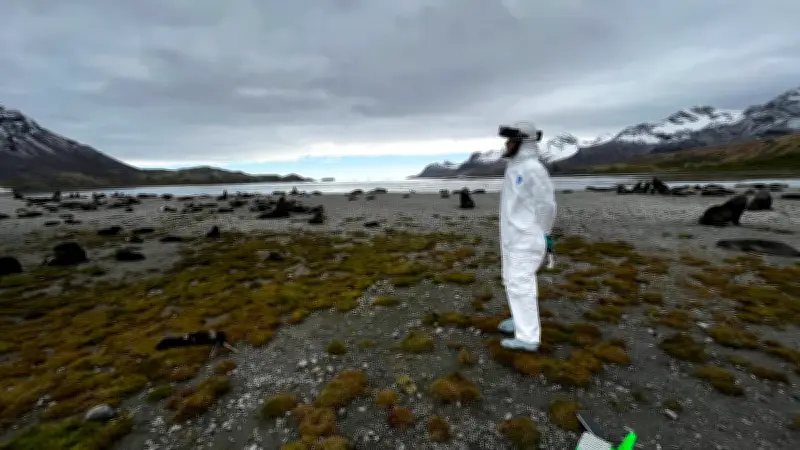
Dr Jane Younger, an ecologist at the Institute for Marine and Antarctic Studies at the University of Tasmania, witnessed the carnage firsthand during an expedition to South Georgia. "We saw an adult female fur seal. It had freshly died and the pup was still trying to suckle. The male was still trying to defend her," she said. "It was this little family unit … that was upsetting."

Global Spread and Impact
Since taking hold in Europe in 2020, H5N1 has killed millions of birds and mammals. More than 200 million poultry birds in the United States have been culled, and tens of thousands of seals in South America have died. The virus reached the subantarctic in late 2023 and South Georgia's seal population in early 2024.
On Heard Island, scientists discovered 13,000 dead elephant seal pups alongside hundreds of other dead seals and birds, including penguins. Disease tests were positive. The virus has now reached every continent, with risk to humans remaining low—about 500 deaths globally since 1997, mostly among poultry workers.
Threat to Australia's Unique Wildlife
Australia faces unique challenges due to its high levels of endemism. About 50% of bird species and 87% of land-based mammals are found nowhere else on Earth. "Losing a species to extinction in Australia means the species disappears from the planet," said Dr Fiona Fraser, Australia's threatened species commissioner. "These endemic species are highly valued by Australians and have enormous cultural value to our First Nations people. Any loss of these species is a tragedy for the world."
A risk analysis identified more than 150 bird species at "very high risk" of extinction or major population declines if they catch the disease. More than 10 mammals are also deemed high-risk, including the Australian sea lion, Tasmanian devil, platypus, and rakali (water rat).
Preparedness and Response
Australia established a national response plan in 2024 and has funded projects to reduce spread risk. About 100 response plans have been drawn up for species and locations at risk. Prof John Woinarski from Charles Darwin University warned, "The potential for spread within Australia is likely to be very high and very rapid." He added that decades of conservation effort could be undone.
Prof Brendan Wintle from the University of Melbourne's Biodiversity Council called for creating captive populations of threatened species. "We need insurance policies," he said. "There has been such low funding for risk assessments and management of conservation that we are quite poorly prepared."
Monitoring and Future Outlook
Prof Richard Kingsford from the University of New South Wales has monitored waterbirds for 40 years, noting a 70% decline since the 1980s. He said good rains have drawn birds to the interior, but an expected El Niño pattern could push them toward coasts where they may contact infected migrants. "The big question is how and when will it get into the waterbird community? Then, the pathways are many and varied," he said.
Experts agree that spread into native wildlife is inevitable. "It will spread across almost all of Australia in the next six to 12 months and will be recurring for three to five years," Woinarski said. "It is likely to be highly confronting for most people. People will see corpses of their favourite birds in all sorts of places."