Young Engineer's Bowel Cancer Shock After Initial Hemorrhoid Diagnosis
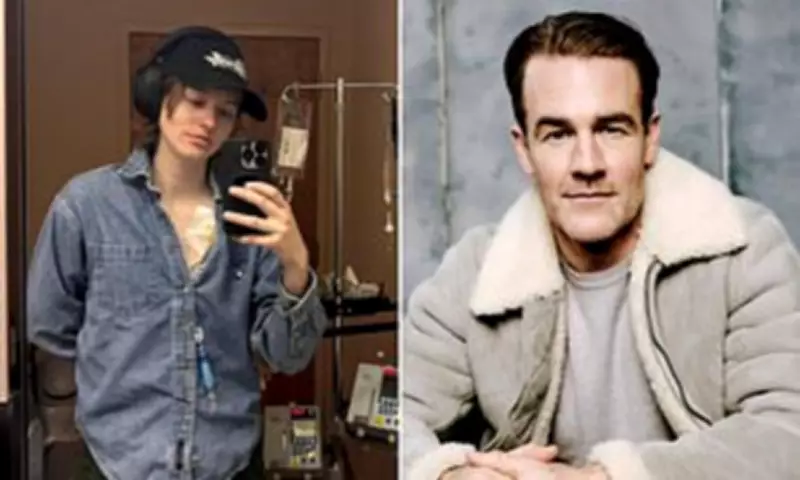
At just 24 years old, Paige Seifert from Denver, Colorado, never imagined she would be facing a diagnosis of rectal cancer. The engineer first noticed concerning levels of blood in her stool in August 2024 and visited her GP twice, only to be reassured that the issue was likely hemorrhoids. It took five agonizing months before she discovered the terrifying truth.
'My heart dropped when they told me I had cancer,' Ms Seifert recalled. 'I noticed blood in my stool six months before my diagnosis, and I wrote it off as hemorrhoids. I went to the doctor, who said I was too young for it to be cancer and thought it was hemorrhoids.'
Understanding Hemorrhoids and Their Symptoms
Hemorrhoids occur when blood vessels in the tissue cushions that help seal the anal canal become enlarged due to pressure. Common triggers include:

- Constipation and straining
- Pregnancy
- Chronic cough
- Heavy lifting
Despite the initial diagnosis, Ms Seifert sought a second opinion from a gastroenterologist in January 2025. During a colonoscopy, the specialist immediately spotted a tumor in her colon, confirming a diagnosis of colon cancer.
The Rising Trend of Bowel Cancer in Young People
Colorectal cancer, commonly known as bowel cancer, is experiencing a concerning surge among young adults in Britain and many other nations. This disease, which affects the large bowel including the colon and rectum, is one of the most prevalent cancers in the UK.
Annual statistics reveal:
- Approximately 44,000 new diagnoses in the UK each year
- Around 17,000 deaths annually from the disease
Early warning signs often include persistent changes in bowel habits such as diarrhea or constipation, blood in stool, abdominal pain, fatigue, and unexplained weight loss. Risk factors like obesity, sedentary lifestyles, and alcohol consumption can increase susceptibility over time.
A Personal Journey Through Diagnosis and Treatment
Ms Seifert's diagnosis came as a devastating blow. 'I initially thought, you know, whatever is going on, at least it is not cancer,' she shared. 'But it was the worst-case scenario. When my GI doctor performed the colonoscopy, as soon as he went in, he saw the tumor and knew it was cancer.'
After waking from surgery, she received confirmation that it was 'undoubtedly cancer.' Further evaluation revealed stage three colon cancer, confirmed through an MRI scan to check for spread.
The news arrived while she was skiing in Aspen, Colorado. 'I checked my phone, and I read stage three cancer. I just felt sick to my stomach,' Ms Seifert described. 'It was a feeling that I have never felt in my life. My mind immediately went to 'am I going to die?' It was a horrible feeling.'
Treatment and Recovery Process
Ms Seifert embarked on an intensive treatment regimen beginning in February 2025:
- Started 12 rounds of chemotherapy
- Treatment paused halfway through for tumor removal surgery in July 2025
- Surgeons removed the tumor along with a foot-long section of her colon
- Resumed and completed chemotherapy treatments
Two weeks after finishing treatment, a follow-up scan delivered welcome news: 'The tumor is gone, they also removed 37 lymph nodes and tested them. My cancer has gone, and the recurrence markers are negative.'
Life After Cancer and Ongoing Challenges
While the clear results brought 'a sense of relief,' Ms Seifert acknowledges ongoing psychological and physical challenges. 'Getting cancer at 24 feels like I am bound to get cancer again,' she admitted. 'I have had some complications since my clear scan, even if the cancer has gone, there is still sickness I have to deal with.'
Her active lifestyle proved crucial during recovery. 'I genuinely believe that my active lifestyle helped me get through the last year,' she noted. 'If I were having a down day, I would go and play sports - I don't know where I would be without it.' Her passions for skiing and mountain climbing provided both physical and emotional support throughout her journey.

A Broader Warning About Symptoms
Ms Seifert's experience echoes that of actor James Van Der Beek, who died from bowel cancer in February 2026 at age 48 after being diagnosed in 2023. Like Ms Seifert, he initially dismissed changes in bowel habits, attributing them to coffee consumption. The father-of-five spent his final years raising awareness about symptoms he nearly overlooked.
This case underscores the importance of taking bowel symptoms seriously regardless of age, advocating for thorough medical investigation when persistent changes occur, and recognizing that colorectal cancer no longer discriminates by age group.