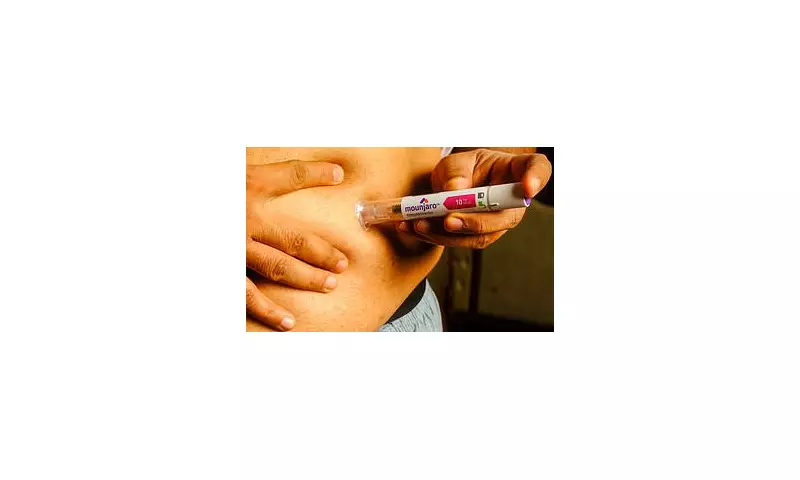
Groundbreaking new research suggests that popular weight loss injections could become a powerful new tool in the fight against prostate cancer. Scientists believe drugs like Wegovy and Mounjaro may slow the disease's spread and make existing treatments more effective.
The Fat-Cancer Connection
Researchers from Imperial College London made a critical discovery: prostate cancer cells are more likely to duplicate and spread after being exposed to fat. This finding has led them to investigate whether anti-obesity medications, used by an estimated 1.5 million Britons, can disrupt this dangerous communication.
Lead researcher Dr Claire Fletcher told The Telegraph: "We think the main effect would be slowing down the progression of the disease." While the precise mechanism is still under study, the theory is that these drugs may reduce fat around the prostate gland, effectively starving cancer cells of a fuel source they use to grow and metastasise.

Potential Dual Benefits for Treatment
The potential benefits are twofold. Firstly, Dr Fletcher explained that these drugs can reduce inflammation in fat tissue, which often acts as a barrier, preventing immune cells from reaching and attacking tumours. "That could potentially help the immune system fight prostate cancer as well," she said.
Secondly, there is hope for improved outcomes with standard hormone therapies. Hormone therapy, a common treatment that blocks testosterone the cancer uses to grow, ironically increases abdominal fat. "Weight-loss drugs could prevent or reduce this," Dr Fletcher added, potentially breaking a vicious cycle that drives aggressive disease.
From Lab to Patient: The Next Steps
Early next year, the team plans to test whether giving weight-loss jabs to mice can slow or reverse prostate cancer progression. "With lab data and animal studies, we will hopefully be in a position where we could take this into patients in the near future," said Dr Fletcher.
She expressed significant excitement about the prospect: "We know that patients will be able to tolerate [weight-loss drugs] well and it might actually help to improve their symptoms management and their response to other treatments."
A 'Ticking Time Bomb' of Risk
The research addresses a growing public health crisis. One in eight men will be diagnosed with prostate cancer in their lifetime, with 63,000 new cases and 12,000 deaths annually in the UK. Concurrently, rates of obesity and being overweight are climbing.
"We see that as a ticking time bomb," warned Dr Fletcher. "Obesity is now overtaking smoking as the largest modifiable cancer risk factor." She emphasised this is particularly crucial for prostate cancer, where fat volume around the gland is "very clearly linked with poorer drug response and faster disease progression."
The findings could encourage men to discuss weight management with their GPs as a potential risk-reduction strategy. "Helping to manage their risk factors could be an important factor in determining whether they eventually do get prostate cancer or not," Dr Fletcher noted.
This research adds urgency to calls for improved screening. Unlike breast, bowel and lung cancer, the UK has no national prostate cancer screening programme. The Daily Mail is campaigning for such a programme, initially targeting high-risk men including those who are Black, have a family history, or carry specific genetic mutations.
Draft guidance from the UK National Screening Committee last month only recommended checks for men with specific genetic mutations. A public consultation is now open, with Health Secretary Wes Streeting vowing to consider all evidence before deciding on implementation early next year.