
The rate of people dying from cancer in the UK has fallen by almost a third since the 1980s, driven by improvements in prevention, diagnosis and treatment, according to a new analysis by Cancer Research UK (CRUK). The charity reports that about 247 in every 100,000 people now die from cancer each year, a 29% drop from the peak in 1989 of about 355 per 100,000.
Despite this progress, cancer remains Britain’s biggest killer, causing about one in four deaths, and survival rates lag behind several European countries, including Romania and Poland. However, in the past decade alone, the death rate has fallen by 11%, with notable declines for ovarian cancer (19%), stomach cancer (34%), lung cancer (22%), bowel cancer (6%), breast cancer (14%), cervical cancer (11%), leukaemia (9%) and oesophageal cancer (12%).
Some cancer death rates have increased over the last decade, including kidney cancer (up 5%), liver cancer (up 14%), eye cancer (up 26%) and gallbladder cancer (up 29%). Rates for thyroid, pancreatic and melanoma cancers remained stable.
Dr Sam Godfrey, science engagement lead at CRUK, said: 'These figures represent decades of crucial scientific breakthroughs. From vaccines that prevent cancer to kinder, more targeted treatments. Because of this, thousands more people today can make memories, reach milestones and spend precious time with their loved ones.' He added that future progress cannot be taken for granted, urging the government to make it easier to set up clinical trials and provide NHS staff with time for research.
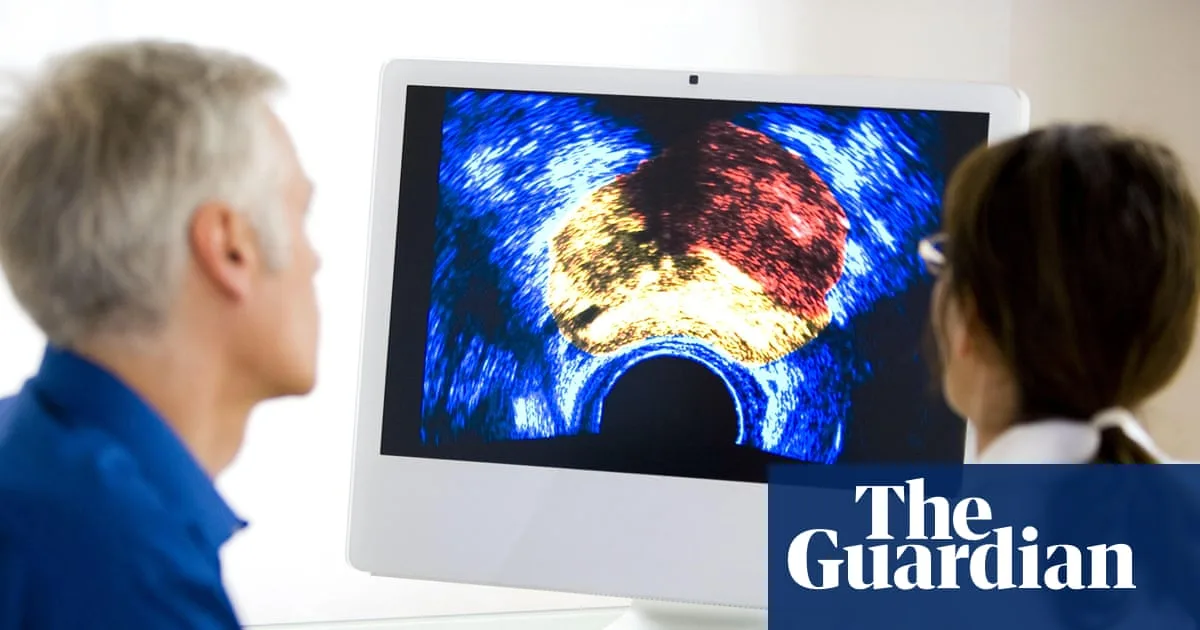
Key factors behind the falling death rates include smoking bans, screening programmes for breast, bowel and cervical cancers, and the human papillomavirus (HPV) vaccine, which has been given to about 6.5 million people since 2008. Death rates for cervical cancer have fallen by 75% since the 1970s. For prostate cancer, deaths decreased by 11% in the past decade, partly due to better treatments such as abiraterone, a drug developed by CRUK scientists.
However, a growing and ageing population means more people are being diagnosed with cancer—one person every 75 seconds—and the overall number of deaths continues to rise. The government has pledged £2bn to transform cancer services, aiming to meet all waiting time standards by 2029, after years of missed targets.




