For the growing number of people diagnosed with and treated for skin cancer, a common and pressing question arises: can you ever safely enjoy the sunshine again? With melanoma cases on the rise, understanding the long-term risks and necessary precautions is vital for anyone who has faced this diagnosis.
The Lifelong Risk After Melanoma
Exposure to ultraviolet (UV) light remains the primary cause of skin cancer. Medical experts confirm a sobering reality: an individual who has had melanoma once is at a higher risk of developing it again compared to someone who has never had it.
Specialists at Macmillan Cancer Support offer a note of hope, stating that many people who undergo surgery to remove melanoma never suffer a recurrence, as the procedure aims to eliminate all cancerous cells. However, they caution that there is a chance a small number of cells could remain. These cells have the potential to cause melanoma to return, either in the original site or elsewhere in the body.

Critically, this recurrence is possible whether a person exposes themselves to excessive sunlight or not. The first five years following surgery are considered the period of highest risk. The American Academy of Dermatology provides a longer-term outlook, suggesting that after ten years most people are in the clear, though they stress a return is 'not impossible' even after that decade milestone.
Essential Sun Protection Strategies
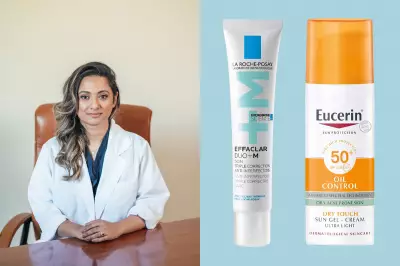
Given the risks, it is sensible for everyone, especially former skin cancer patients, to avoid excessive exposure to strong sunlight. Cancer Research UK outlines a clear, multi-layered defence strategy. The charity emphasises that using shade, covering up with clothing, and applying sunscreen are the cornerstones of protection.
They issue an important warning: 'using sunscreen doesn't mean you can spend longer in the sun'. Sunscreen should be viewed as a vital tool for protecting areas of skin that are not covered by clothing or shade, not as a permit for extended sunbathing.
Cancer Research UK's specific recommendations include:
- Applying a broad-spectrum sunscreen with at least SPF 30.
- Wearing wide-brimmed hats.
- Using sunglasses that offer UV protection.
Understanding UV Levels at Home and Abroad
Vigilance is not only for foreign holidays. In the UK, strong sunshine is common from mid-March to mid-October, particularly between 11am and 3pm. The widely used UV Index, which ranges from 0 to 11+, helps gauge the daily risk.
A rating of 0-2 requires no protection. A moderate to high rating of 3-7 demands 'sun safe' behaviour and protective measures. A rating of 8-9 is classified as 'very high', necessitating extra care. As an example, while London might register a low UV level, destinations like Dubai or Sydney can frequently reach levels requiring stringent protection.
Macmillan Cancer Support adds a crucial note for all skin types: 'If you have black or brown skin, you have more natural protection from UV rays but you can still get skin cancer.' Those with fair skin that burns easily should be especially cautious, but no one is immune.
Ultimately, for melanoma survivors and the general public alike, enjoying the sun safely is about informed, consistent precaution. Checking local UV indexes, adopting a comprehensive protection routine, and remembering that sunscreen is just one part of the puzzle are the keys to reducing risk while making the most of brighter days.