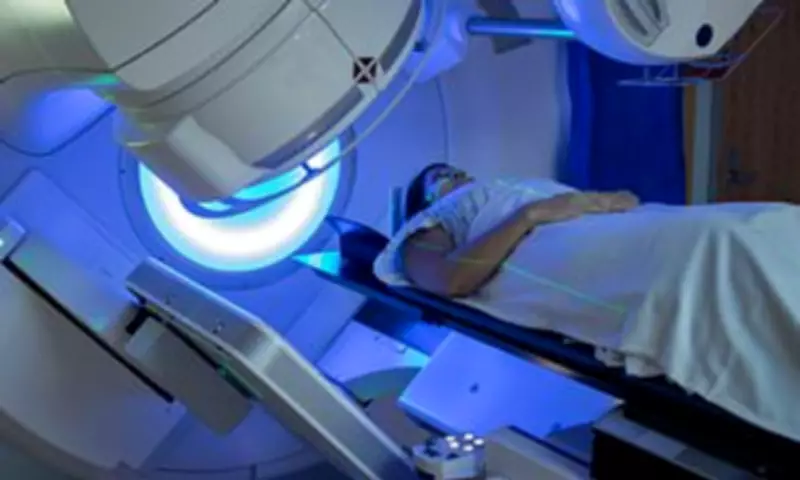
A groundbreaking new treatment approach could spare breast cancer patients from one of the most feared and debilitating side effects of their treatment—lifelong swelling in the arm, known as lymphoedema. Currently, the standard procedure involves surgery to remove the cancer, followed by the excision of small glands under the arm. However, this surgical removal can damage the body's natural lymphatic drainage system, leading to fluid accumulation and persistent arm swelling.
Radiotherapy as a Safer Alternative
Emerging research suggests that treating these glands with radiotherapy instead of surgically removing them could dramatically lower the risk of developing lymphoedema. Approximately one in five breast cancer patients currently develop this condition after treatment, with the risk escalating to as high as one in two for those who undergo gland removal surgery. The new findings indicate that radiotherapy offers a promising and safer alternative, potentially transforming patient care and improving long-term quality of life.
Study Findings and Clinical Implications
Research presented at the European Breast Cancer Conference in Barcelona compared outcomes between patients who had the glands removed and those who received radiotherapy. The trial followed more than 270 individuals whose cancer had spread to nearby glands. After two years, lymphoedema developed in just under 18 percent of the radiotherapy group, compared with more than 26 percent in the surgery group.

Importantly, cancer outcomes were similar in both groups, with no recurrences observed in the radiotherapy cohort and only one recurrence in the surgery group. Professor Amparo Garcia-Tejedor, from Bellvitge University Hospital and lead author of the study, emphasised the potential impact of these findings. She stated that if further research confirms the safety and effectiveness of radiotherapy, the implications for both patients and clinicians could be substantial.
'For patients, the main benefit would be an improvement in quality of life,' Professor Garcia-Tejedor explained. 'Now, the goal is to save lives without increasing adverse effects. Our findings suggest that surgery may be unnecessary in a substantial proportion of patients and that a strategy of de-escalation should be explored.'
Expert Caution and Ongoing Research
While the initial results are encouraging, experts have urged caution, advising patients not to alter their treatment plans based solely on these early findings. A larger phase III trial is currently underway, with more than 500 patients now enrolled. Results from this extended study are expected after approximately three more years of follow-up, which will provide a more comprehensive understanding of the long-term safety and efficacy of radiotherapy.
Dr Maria Laplana-Torres, a radiation oncologist involved in the study, noted that radiotherapy does cause more short-term skin side effects, such as redness and peeling, but these are typically temporary. After two years, there were no major differences in movement or overall quality of life between the two groups, with outcomes slightly favouring the radiotherapy approach.
Broader Context and Future Outlook
Lymphoedema affects over 200,000 people in the UK, most commonly as a result of cancer treatment. Breast cancer remains the most prevalent cancer among women in the UK, with around 55,000 new cases diagnosed each year. Dr Simon Vincent, chief scientific officer at Breast Cancer Now, welcomed the findings but highlighted the need for longer-term data.
'While this early research suggests that radiotherapy may be a suitable alternative treatment to avoid unwanted side effects like lymphoedema, we hope to see longer follow-up of patients to fully understand its safety and effectiveness,' he remarked.
The shift towards less aggressive surgical interventions reflects a broader trend in oncology, aiming to preserve patient quality of life while maintaining effective cancer control. As research progresses, radiotherapy could become a standard component of breast cancer treatment, offering hope to thousands of patients at risk of developing chronic lymphoedema.