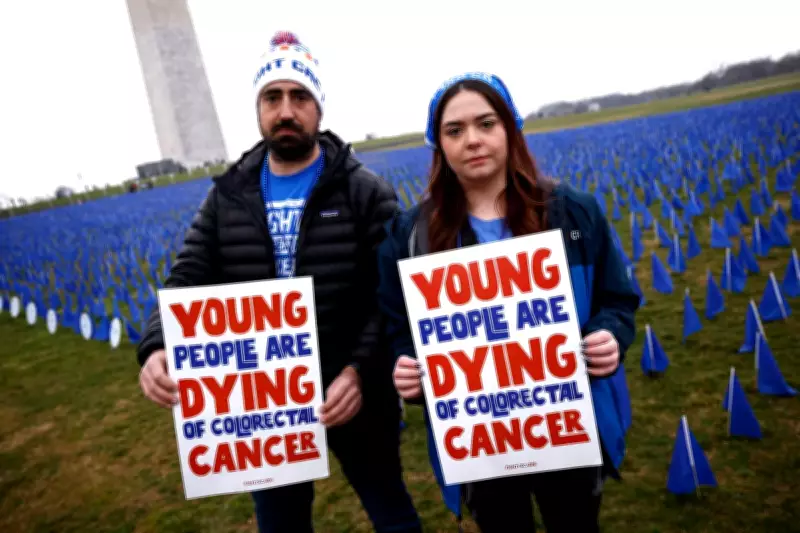
Colorectal Cancer Cases Expected to Exceed 150,000 in 2026, with Alarming Rise Among Young Adults
Medical experts are sounding the alarm as projections indicate that more than 150,000 new cases of colorectal cancer will be diagnosed in the United States this year. A particularly concerning trend is the increasing impact of this disease on younger populations, with rates among Americans under the age of 50 rising by 2.9 percent annually from 2013 to 2022. This surge highlights a critical public health issue that demands urgent attention and awareness.
Delayed Diagnosis Fuels Mortality in Younger Patients
Dr. Sheetal Kircher, an associate professor of hematology and oncology at Northwestern University Feinberg School of Medicine, explains that while the reasons for the rise in colorectal cancer among younger adults are not fully understood, delayed diagnosis plays a significant role. "Colorectal cancer is rising in younger adults for reasons we don't yet fully understand, but the main reason it has become the leading cause of cancer death for Americans under 50 is more related to delayed diagnosis," said Dr. Kircher. She notes that early symptoms, such as rectal bleeding, abdominal pain, anemia, or changes in bowel habits, are often dismissed by younger individuals who do not expect to develop this type of cancer.
James Van Der Beek's Tragic Case Highlights the Crisis
The recent death of 48-year-old actor James Van Der Beek, who passed away after a diagnosis of stage 3 colorectal cancer in 2023, has brought this devastating illness into the spotlight. Van Der Beek, known for his role in Dawson's Creek, was in excellent physical condition before his diagnosis, which he described as a complete shock. His case underscores the misconception that symptoms are necessary for screening, as he had no obvious signs despite having advanced cancer. Michael Sapienza, CEO of the Colorectal Cancer Alliance, stated that Van Der Beek's openness has helped raise awareness about colorectal cancer, encouraging others to discuss screening options and understand their risks.

Statistics Reveal a Growing Epidemic
According to the American Cancer Society, an estimated 108,860 new cases of colon cancer and 49,990 new cases of rectal cancer are expected in 2026, totaling over 150,000 diagnoses. Colorectal cancer remains the second leading cause of all cancer-related deaths in the U.S., with approximately 55,230 fatalities projected for this year. The disease typically originates in the lining of the colon or rectum and can develop silently for years without noticeable symptoms, making early detection challenging.
Screening Age Debate and Risk Factors
In response to the rising rates, the recommended screening age for colorectal cancer was lowered from 50 to 45 in 2021. However, some experts argue for further reductions based on current statistics. Dr. Kircher advocates for earlier, risk-based screening, especially for individuals with symptoms, family history, or other risk factors, regardless of age. "The most dangerous approach is assuming someone is 'too young' to have colorectal cancer," she emphasized. Meanwhile, Tyler Berzin, an associate professor at Harvard Medical School, cautions that lowering the screening age to 40 might not be the sole solution, as environmental and lifestyle factors like diet, alcohol consumption, and obesity likely contribute to the increase in early-onset cases.
Prevention and Early Detection Strategies
While factors such as age, genetics, and chronic conditions are beyond individual control, there are steps people can take to reduce their risk of colorectal cancer. The Cancer Research Institute recommends limiting processed and red meat intake to 12-18 ounces per week, increasing fiber, fruits, and vegetables in the diet, and maintaining physical activity to avoid excessive weight. Smoking and alcohol consumption should also be minimized. Early detection is paramount, as colorectal cancer is highly treatable when caught early. Dr. Vitaliy Poylin, an associate professor of gastrointestinal surgery at Northwestern, stresses the importance of screening and reporting unusual symptoms to a doctor promptly to improve survival rates.