
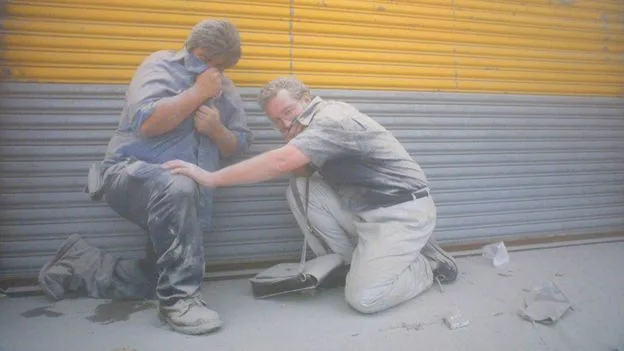
Twenty-three years after the 9/11 attacks, diseases linked to the toxic dust and smoke from the World Trade Center collapse have claimed twice as many lives as the attacks themselves, with new health problems still emerging. The US government's World Trade Center Health Program now monitors 127,567 people, including over 82,000 rescue and recovery workers.
Elizabeth Cascio, a former FDNY emergency medical technician, worked at Ground Zero for nearly two months. She developed a persistent cough, sinus issues, and headaches shortly after starting. In 2019, she was treated for invasive cervical cancer attributed to her time at the site. 'We all knew the air quality was not safe,' she said. Now 61, she remains under medical monitoring.
The dust from the towers contained asbestos, heavy metals, lead, and toxic chemicals like polycyclic aromatic hydrocarbons, as well as gypsum and calcite from building materials. Smoke from the burning site carried ultrafine soot, unburned jet fuel, and fumes from plastic and wood. Despite reassurances from authorities, the air remained hazardous for months.
Cascio, who retired as FDNY Chief of Staff in 2023, feels a duty to speak out, especially for underrepresented EMS workers and women. The health program continues to fund research into physical and mental conditions related to 9/11 exposures.




