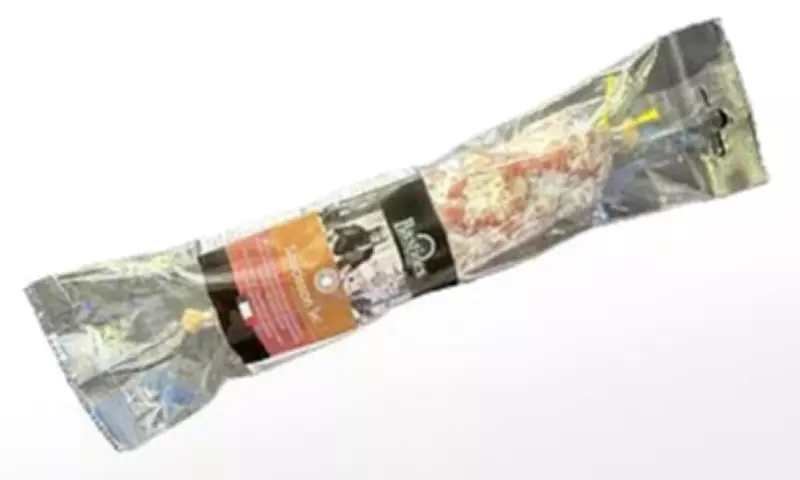
Major Salmonella Outbreak Traced to Tesco Dry-Cured Sausage
More than 80 individuals across Britain have fallen ill in a significant salmonella outbreak that has been directly linked to a specific dry-cured sausage sold exclusively at Tesco supermarkets. Health authorities have urgently recalled the product, warning it can cause severe symptoms including fever, diarrhoea, and intense abdominal cramps.
Product Recall and Source Identification
The outbreak has been traced to Bastides Saucisson Sec, a deli-style meat product supplied by French company Sacor. Following the discovery of salmonella bacteria in one batch, the supplier has pulled the product from the market. Food safety regulators have issued a stark 'do not eat' warning, advising shoppers to return any 200g packs with a best-before date of March 4, 2026, to their nearest Tesco store for a full refund.
The UK Health Security Agency (UKHSA) first detected the outbreak at the end of January after scientists noted an unusual increase in cases of monophasic Salmonella Typhimurium through advanced whole genome sequencing data. By late February, 84 confirmed infections had been identified across the United Kingdom, with laboratory testing strongly indicating they were all caused by the same bacterial strain, pointing decisively to a common source. The confirmed cases span specimen dates between January 7 and February 11.

Geographical Spread and Patient Demographics
The majority of those infected, 69 people, reside in England, with 10 cases recorded in Wales and five in Scotland. Within England, the South East region reported 23 cases, while the East of England documented 16. Patients range widely in age from two years old to 91, with a median age of 33. Of the total affected individuals, 45 are male and 39 are female.
Several patients have required hospitalisation, and two developed serious bloodstream infections, though fortunately no deaths have been reported to date. Investigators discovered an unusually high proportion of patients had consumed cured pork products in the week before falling ill, with 23 of those interviewed confirming they had eaten such items.
Investigation and Epidemiological Evidence
Further analysis combining epidemiological evidence and supermarket loyalty card data pinpointed an imported ready-to-eat cured pork product sold at Tesco as the most probable source. Tesco promptly removed the product from sale while investigations were ongoing. Subsequent testing by the supplier confirmed the presence of salmonella in one batch, triggering the formal recall on March 2.
Experts are now awaiting additional genome sequencing results to definitively confirm whether the bacteria isolated from the sausage matches the outbreak strain. The Food Standards Agency (FSA) is continuing its investigation in collaboration with international partners to determine the root cause of the contamination.
Symptoms and Public Health Advice
Symptoms of salmonella infection typically include fever, diarrhoea, and abdominal cramps. Health officials warn that some contaminated products may have already been consumed before the alert was issued. Anyone experiencing symptoms is strongly advised to stay away from work, school, or nursery until they have been completely symptom-free for at least 48 hours to prevent further spread of the infection.
In its recall notice, the FSA stated: 'If you have bought the above product, do not eat it. Instead, return it to your nearest Tesco store for a full refund.'
Context and Broader Food Safety Concerns
Salmonella remains one of the most common causes of food poisoning in the UK. The bacteria inhabit the intestines of humans and animals and are typically transmitted through contaminated food or drink. Foods most frequently associated with infections include raw poultry, eggs, unpasteurised dairy products, and ready-to-eat salads.

This warning follows UKHSA data released last year which showed salmonella cases rose sharply during the first three months of 2025 compared with the previous two years. While large supermarket outbreaks are relatively uncommon, they do occur. For instance, in June 2022, hundreds of chicken products sold by major supermarkets including Tesco, Aldi, and Sainsbury's were recalled after salmonella contamination was detected. Similarly, last year, more than 60 sandwiches, wraps, and salads sold across 11 major UK retailers received 'do not eat' warnings over fears they contained STEC, another dangerous bacteria.
Salmonella can survive on surfaces and multiply rapidly if food is stored incorrectly or handled without proper hygiene. Although thorough cooking can kill the bacteria, ready-to-eat chilled foods pose a particular risk as they are consumed without reheating. Research published in BMJ Open Gastroenterology indicates that approximately 33 people die each year in the UK from foodborne salmonella infections.
The FSA issues food recall notices whenever a product presents a potential risk to public health, underscoring the importance of vigilance in food safety practices.