The Riskiest Leftover Foods to Eat the Next Day and How to Avoid Illness
Experts emphasise the critical importance of careful storage for leftovers to prevent health risks. Food poisoning, caused by contamination from pathogenic bacteria, fungi, or viruses, is not only linked to undercooked meals but also to improperly handled leftovers. As a microbiologist, I provide essential advice for safely enjoying your favourite cold leftovers.
Leftover Pizza
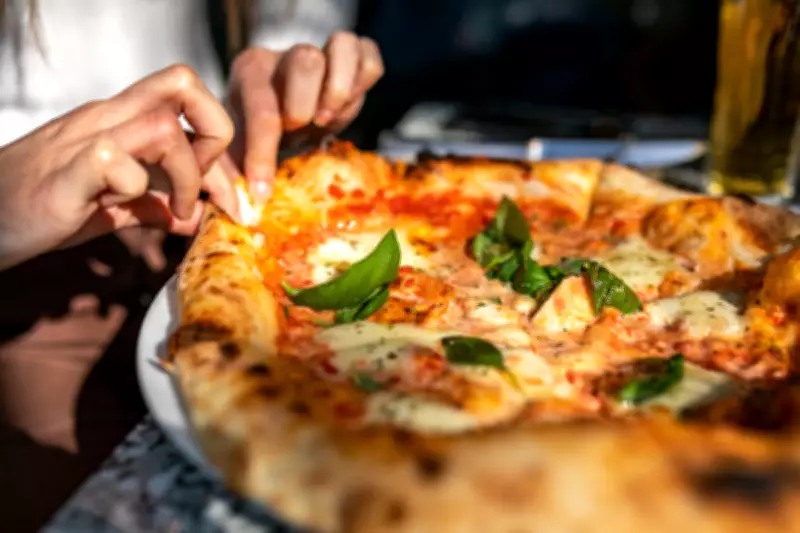
Food poisoning from cooked pizza can occur through various means, such as raw or undercooked ingredients, contact with contaminated surfaces, or even from dried herbs like basil and oregano, which may harbour microbes like Salmonella or Bacillus cereus. Even if heat sterilises these herbs initially, leaving pizza at room temperature too long allows harmful germs to thrive.
To reduce risk: Refrigerate leftovers within two hours of cooking or delivery. Store covered to avoid airborne contamination and consume within two days. Remember, refrigeration only slows bacterial growth, so timely consumption is key. If pizza sits out for hours, it becomes unsafe regardless of appearance or smell.

Leftover Chicken
Cooked chicken is highly perishable due to its nutrient-rich, low-acidity environment that favours bacterial growth. Ensure chicken is fully cooked with no blood in juices before saving leftovers, as raw chicken may contain Campylobacter or Salmonella.
Safe practices: Cover and refrigerate cooked chicken promptly after cooling, ideally within two hours. It can be stored for up to three days, but discard any undercooked portions to avoid contamination, even if refrigerated.
Leftover Rice Dishes
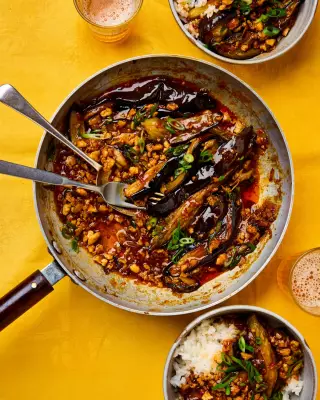
Rice dishes, including fried rice or risotto, pose a significant risk due to Bacillus cereus spores in uncooked rice. While cooking kills bacteria, spores survive and can multiply if rice is left at room temperature over two hours, releasing toxins that cause severe vomiting and diarrhoea.
Prevention tips: Cool cooked rice quickly, cover, and refrigerate for no more than 24 hours. Consume cold rice within this timeframe to prevent spore germination and toxin release.
Leftover Canned Foods
For canned leftovers, cover and refrigerate to prevent airborne contamination. Storing in the original can is safe, but transferring to a plastic or glass container may preserve flavour better.
Storage guidelines: Highly acidic foods like canned tomatoes last five to seven days refrigerated, while low-acidity items like meat or vegetables should be consumed within three days. Acid inhibits bacterial growth, extending shelf life for acidic options.
In summary, leftovers can be safe if refrigerated quickly after cooking and eaten within recommended timeframes. Always prioritise proper storage to enjoy your meals without health concerns.