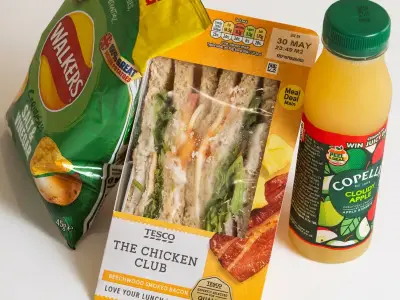
Professor Tim Spector has warned that the current protein food trend is "just hype", as supermarket shelves are packed with products labelled as high in protein, from yoghurts and milk to meat and beans.
The trend is driven by a mixture of social media fitness trends, weight loss medication and marketing from manufacturers, with many people seeking to increase their protein intake believing it will boost their health. However, the nutrition expert says a lack of protein is not an issue for most people in the UK, while eating many of the "high protein" options is likely to mean consuming unhealthy ultra-processed foods.
Professor Spector's warning
Posting on Instagram, the Professor of Epidemiology at King's College London and scientific co-founder of ZOE explained: "People have been driven by the tsunami of information about telling them how protein is amazing, how it's going to give you big muscles, how it's going to make you age better, prevent all kinds of problems, reduce all diseases, and this is just hype - 90% of people are not protein deficient."
He added: "Nevertheless, manufacturers will carry on if it sells products, people will keep putting it in there. And in general, there's nothing too much wrong with protein itself. It's just what else it's replacing on your plate."
He also noted: "Most of these high-protein claims come in high-risk ultra-processed foods, and it's so easy for them to add it. You just add a bit of whey protein. It's a waste product from the dairy industry, costs nothing. Pour it in there, and suddenly they can double their sales."
Beans and ultra-processed foods
Ultra-processed foods are products manufactured using ingredients not usually found in a standard home kitchen, such as extracted foods, additives, and chemical modifications rather than whole foods. These include everything from sweets and cakes to ham and sausages, as well as many cans of baked beans due to additives like modified starch and spice extracts.
In the same Instagram clip, Dr Sarah Berry, Professor of Nutrition at King's College and Chief Scientist at ZOE, was asked about a tin of beans labelled as protein and whether there were any issues with eating them. She said: "Assuming it's just a tin of beans, absolutely not. The protein that's in pulses and beans is an incredibly healthy protein. You're also getting fibre. You're getting other micronutrients with it. It's part of the original plant."
She added: "I think that's fabulous that they're now doing that because lots of whole foods that are high in fibre, high in protein, wouldn't typically put that on their label, and yet that's an incredibly healthy source of protein and fibre and micronutrients."
Protein sources and daily needs
Protein is naturally found in a wide range of healthy foods. According to NHS North Bristol Trust, these include fresh, unprocessed meat, chicken, and fish; dairy products such as milk, yoghurt (with higher protein options containing more than 7g of protein per 100g, such as Skyr or Liberté), cheese, and milk puddings; and vegetarian options like eggs, beans, lentils, chickpeas, soya milk, tofu, tempeh, Quorn, nuts, and seitan.
According to the British Heart Foundation, for an adult with a healthy weight, the recommended daily amount of protein is 0.75g per kg of body weight per day. That is about 45g a day for a 60kg woman and 55g a day for a 75kg man. The foundation adds: "Spreading protein evenly across meals helps your body use it effectively."