Mona Lisa Likely Overweight with Thyroid Condition, Expert Claims
Mona Lisa Overweight and Unhealthy, Expert Says

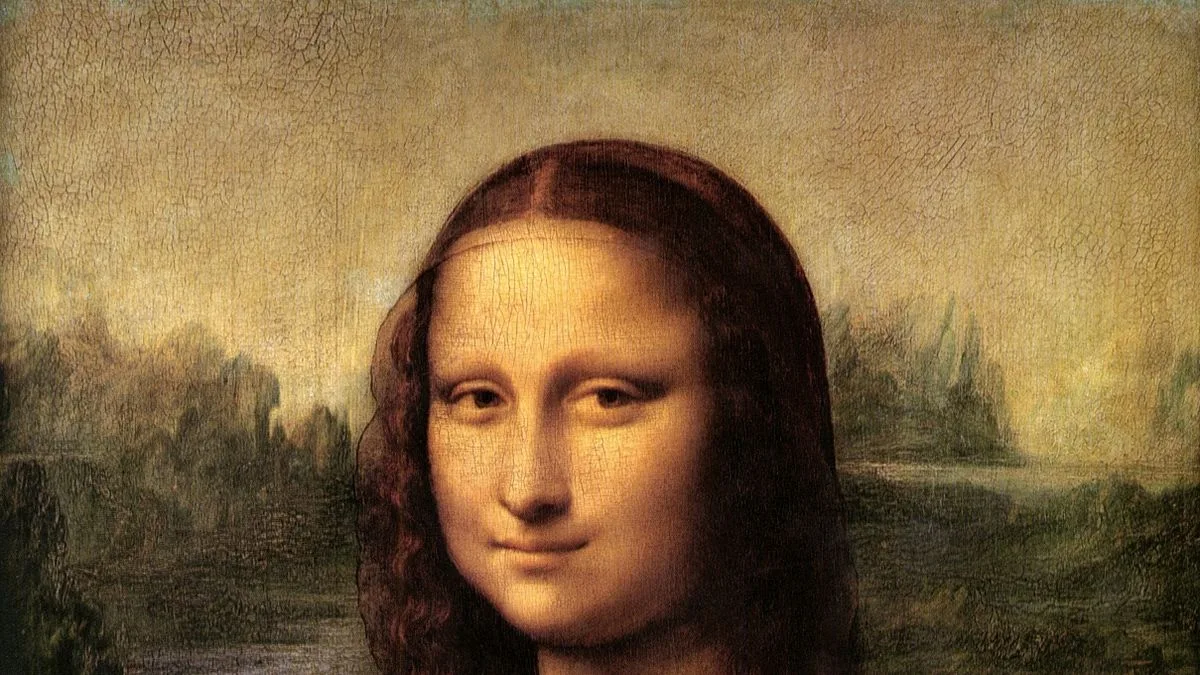
A prominent obesity specialist has posited that Leonardo da Vinci's Mona Lisa was likely overweight and suffered from underlying health conditions, including high cholesterol or an underactive thyroid gland. Dr Michael Yafi, a paediatric endocrinologist at the University of Texas Houston, presented his findings at the European Congress on Obesity in Istanbul, sparking fresh debate about the portrayal of female figures in historical art.

Historical Context of Obesity in Art

Dr Yafi argued that in past centuries, obesity was often depicted as a sign of beauty, fertility, and social status. "Strong men, leaders, royal families, religious figures, and high society individuals were portrayed with high BMI," he explained. "Beautiful women and models were also shown with high BMI, whereas today's models are nearly anorexic, which is equally unhealthy."

The Mona Lisa's Medical Profile

The Mona Lisa, completed in the early 1500s and housed in the Louvre Museum in Paris, is believed to depict Lisa Gherardini, an Italian woman who had four children. Dr Yafi noted that her appearance suggests excessive body fat, leading to theories of hypothyroidism or pregnancy-related weight gain. "A simpler explanation is that she had put on weight after childbirth," he said. "While we cannot diagnose retrospectively, analysing her features is an intriguing exercise."

Wide Pickt banner — collaborative shopping lists app for Telegram, phone mockup with grocery list

Other Historical Figures with Obesity

Dr Yafi also pointed to composers Johann Sebastian Bach and George Frideric Handel, who were depicted as overweight and likely had type 2 diabetes, which may have caused vision loss. Similarly, angels and cherubs in Renaissance art were often portrayed with plump, folded skin, symbolising virtue.

Modern Implications: GLP-1 Face

Looking ahead, Dr Yafi predicted that future art may reflect the prevalence of weight-loss drugs like Mounjaro and Wegovy, which suppress appetite by mimicking the hormone GLP-1. He suggested that women might be depicted with a gaunt "GLP-1 face"—characterised by rapid fat loss in the cheeks, temples, and under-eye areas, leading to a tired or aged appearance. "If Picasso were alive today, he would have painted it," Dr Yafi quipped.

Historical Precedents

The Venus of Willendorf, a stone figurine dating back 24,000 to 32,000 years, is one of the earliest examples of obesity symbolising power and fertility. Dr Yafi also noted that 29 of 36 Ottoman emperors between 1258 and 1926 were depicted with abdominal obesity.

The Mona Lisa, insured for nearly £54 million in 1962 (equivalent to £1 billion today), remains an enduring subject of medical and artistic fascination.

Pickt after-article banner — collaborative shopping lists app with family illustration




