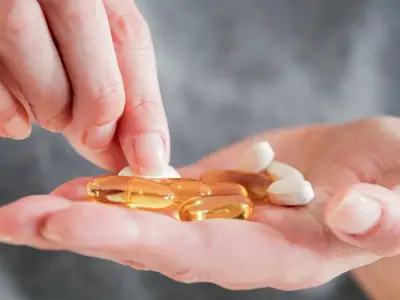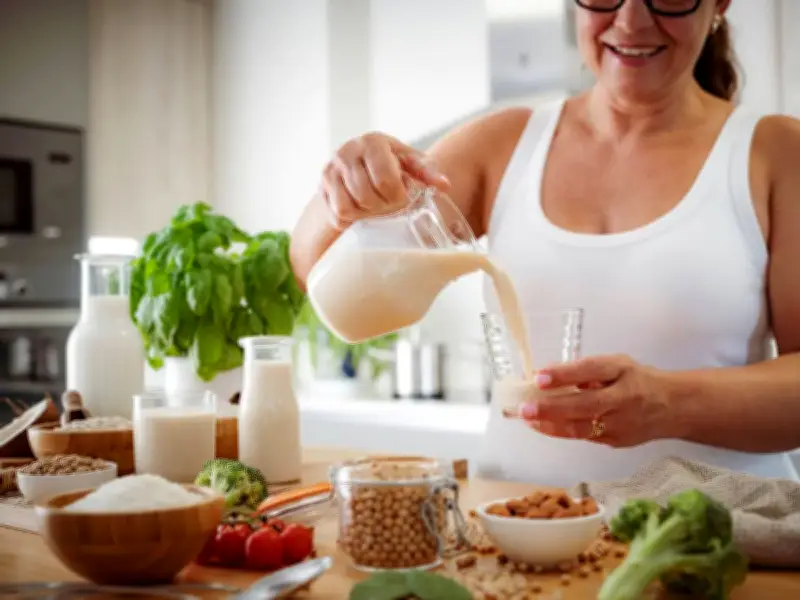
Women going through menopause should read the label on oat milk before swapping dairy, according to pharmacist and researcher Mike Wakeman, who says many plant-based alternatives are not fortified with iodine.
Wakeman, the brains behind Evera Nutrition, said: "Plant milk can look like a straightforward healthy swap, but many alternatives are calcium-fortified but not necessarily iodine-fortified. Iodine is needed for normal thyroid hormone production and cognitive function. UK data has previously found 15% of adult women had intakes below the Lower Reference Nutrient Intake. So read the label and make sure to choose an alternative fortified with both calcium and iodine, or make sure iodine comes from foods such as fish, eggs and dairy."
Nutritional gaps during menopause
With October marking Menopause Awareness Month, Wakeman said nutrition deserves a closer look. Around half of women aged over 50 are expected to experience an osteoporosis-related fracture during their lifetime, while changing nutritional needs around menopause can also affect muscle and wider health.
Wakeman said: "Nutrition can become particularly important in the years approaching the menopause because menopause isn't simply about hot flushes. Falling oestrogen affects bone, while ageing brings changes to cardiometabolic health, muscle and often body shape. Yet what often appear to be healthy eating habits can still leave nutritional gaps. From swapping dairy for plant-based alternatives to cutting calories, there are some surprisingly easy things to overlook."
Calcium, vitamin D and soy
Wakeman highlighted the importance of calcium and vitamin D, saying: "The decline in oestrogen around menopause accelerates bone loss. Calcium provides structural material, while vitamin D contributes to normal calcium absorption and bone health. Include calcium-rich dairy, fortified alternatives, tofu and leafy greens, alongside vitamin D. UK guidance advises adults to consider a daily 10mcg vitamin D supplement during autumn and winter."
He also pointed to the benefits of soy: "Soy foods such as tofu, edamame, and soya beans provide protein, but they also contain isoflavones - plant compounds known as phytoestrogens because they can interact with oestrogen receptors. One analysis of 17 clinical trials found soy isoflavones reduced hot-flush severity by around 26% and frequency by around 21% compared with placebo."
Protein, calories and a varied diet
Wakeman warned against cutting calories too aggressively and forgetting protein. He said: "Muscle isn't just about looking toned. It supports mobility, strength, metabolism, and ultimately independence. Evidence suggests lean mass falls across the menopausal transition, and in addition the response to protein and exercise may become less efficient in muscle with age. It therefore makes sense to include sources such as eggs, fish, poultry, yoghurt, tofu, beans or lentils across all meals, and combine adequate protein intake with resistance exercise."
He added: "Midlife weight gain can encourage people to consider increasingly restrictive diets. But simply eating less can also mean consuming less protein, magnesium, calcium, and other micronutrients. So, think more about the nutrient density of foods instead of eating less. Choose more vegetables, fruit, wholegrains, pulses, nuts, seeds, fish and quality protein. Mediterranean-style eating has been associated with improvements in several cardiovascular risk factors in menopausal women."
Wakeman advised against hunting for a single "menopause superfood," saying: "Sleep, mood, muscle, metabolic and bone health don't exist in separate boxes. They are all inter-related. That's why a varied diet beats hunting for one fashionable 'menopause superfood'. Because menopause changes several interconnected biological systems at the same time, it’s important to make protein, plenty of plant foods, healthy fats, wholegrains and a wide spread of micronutrients a foundation of your diet."