Mary Berry's Expert Egg Cooking Guide: Perfect Poached, Scrambled, Fried, Boiled
Mary Berry's Expert Egg Cooking Guide for Perfect Results

Mary Berry's Comprehensive Guide to Cooking Perfect Eggs Every Time

Eggs are a fundamental ingredient found in kitchens across the nation, serving as a versatile staple for everything from baking to a simple breakfast with toast. Despite their ubiquity, achieving consistently perfect results with various cooking methods—such as poaching, scrambling, frying, and boiling—can be surprisingly challenging for many home cooks.

Fortunately, culinary legend Mary Berry has generously shared her extensive expertise on egg preparation over the years. In her acclaimed 2011 publication, Mary Berry's How to Cook, she provides detailed, step-by-step guidance to ensure flawless execution of each egg variety. Her professional advice transforms what can be a tricky task into a manageable and rewarding culinary experience.

Mastering the Art of Poached Eggs

According to reports from the Express, Mary Berry's recipe notes emphasise using specialised equipment for poaching. She recommends employing either a nonstick milk pan or a sauté pan to prevent sticking. Begin by filling the pan two-thirds full with water, bringing it to a vigorous boil, and then adding a generous pinch of salt for seasoning.

Wide Pickt banner — collaborative shopping lists app for Telegram, phone mockup with grocery list

Once the water reaches a boil, reduce the heat to achieve a gentle simmer before carefully adding the eggs. It is crucial to avoid rapidly boiling water, as this can cause the delicate egg whites to break apart and disperse. For those seeking an alternative method, Mary also suggests using a nonstick egg poacher that cooks the eggs in a small amount of butter for added richness and ease.

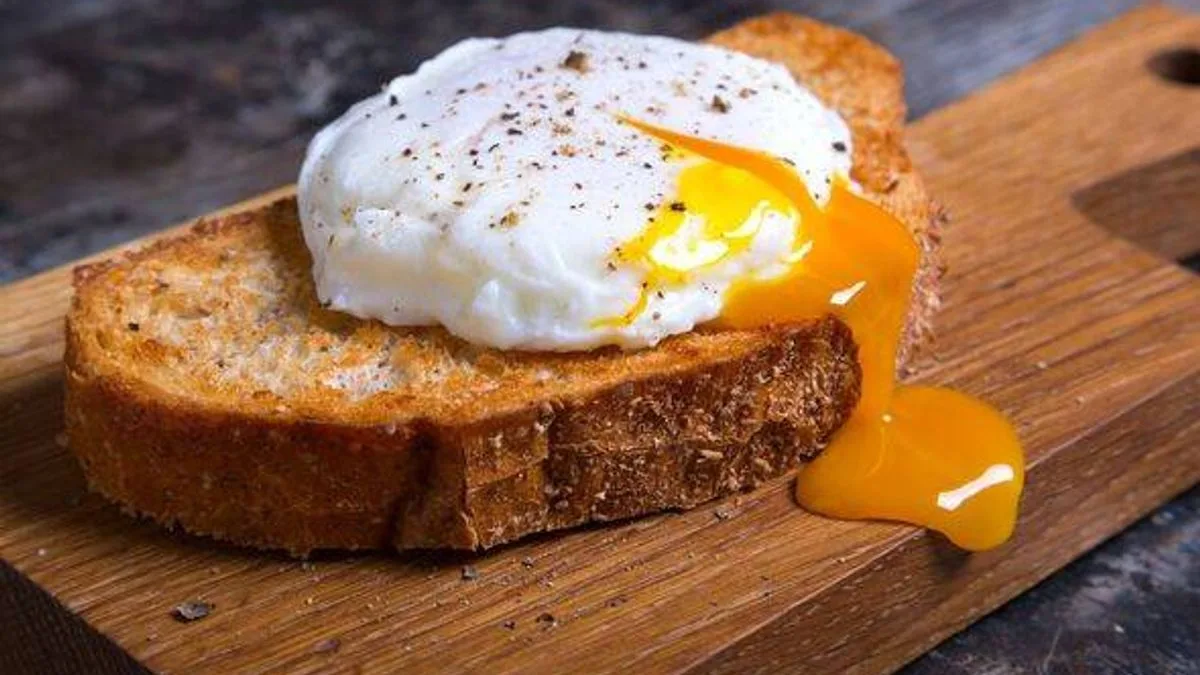
To poach eggs directly in water, gently slide each egg from a small bowl into the simmering salted water. Immediately lower the heat to its lowest setting to maintain a gentle simmer. Allow the eggs to cook uncovered for approximately three minutes, or until the whites become fully opaque while the yolks remain delightfully runny. Finally, use a slotted spoon to carefully remove each egg, letting any excess water drain back into the pan before serving.

Creamy and Perfect Scrambled Eggs

Mary Berry advocates for scrambling eggs in a nonstick pan, such as a milk pan or sauté pan, to prevent them from sticking and burning on the bottom. This simple precaution ensures a smooth, creamy texture without any unpleasant scorched bits.

Her recipe notes reveal that the secret to exceptionally creamy scrambled eggs lies in cooking them very gently and slowly while stirring continuously throughout the process. For each serving, thoroughly beat together two large eggs, one tablespoon of milk, and a pinch of salt and pepper to taste.

Melt one tablespoon of butter in the pan until it begins to foam slightly, then pour in the egg mixture. Cook over a low heat, stirring gently with a wooden spoon to create soft, delicate curds. Once the eggs are nearly set but still slightly runny, remove the pan from the heat and continue stirring for an additional minute. Serve immediately to enjoy the eggs at their peak creaminess and warmth.

Frying Eggs to Perfection

For fried eggs, Mary Berry advises heating one tablespoon of sunflower oil along with a knob of butter in a sauté pan until the mixture starts to foam. Carefully slip the egg from a small bowl into the pan to avoid breaking the yolk.

Fry the egg over a medium heat for three to four minutes, or until the white has fully set. During cooking, baste the yolk occasionally with the hot fat from the pan to help it cook through evenly and develop a rich flavour. Once cooked, use a fish slice to remove the egg, allowing any excess fat to drain back into the pan.

If preparing multiple fried eggs simultaneously, use the fish slice to gently separate the whites as they cook to prevent them from merging together. This technique ensures each egg maintains its distinct shape and presentation.

Boiling Eggs: Soft and Hard Variations

Boiled eggs offer another simple yet versatile option, with both soft-boiled and hard-boiled variations providing different textures and uses. For soft-boiled eggs with a runny yolk, Mary Berry recommends using a slotted spoon to place the eggs into a small saucepan filled two-thirds with simmering water.

Pickt after-article banner — collaborative shopping lists app with family illustration

Bring the water back to a boil, then reduce the heat to maintain a gentle simmer. Time the eggs carefully for exactly four minutes to achieve the perfect consistency. Once done, lift each egg out with the slotted spoon and carefully cut across the top with a sharp knife to reveal the beautifully runny yolk inside.

For hard-boiled eggs, follow the same initial method as for soft-boiled eggs, but extend the simmering time to ten minutes. Mary Berry's recipe includes an important warning: avoid boiling the eggs for longer than recommended, as this can cause a unsightly black ring to form around the yolk, indicating overcooking.

After cooking, promptly remove the eggs with a slotted spoon and transfer them to a bowl of cold water. Crack the shells gently and peel them away, then submerge the eggs in cold water for at least five minutes to cool completely. This cooling step helps prevent further cooking and makes the eggs easier to handle and serve.