Mary Berry's Timeless Lasagne Recipe: A 50-Year Culinary Journey
Lasagne stands as one of the most beloved and comforting dishes in British cuisine, with countless variations gracing dinner tables across the nation. However, few recipes have endured and evolved as gracefully as Mary Berry's classic lasagne, which she has meticulously perfected over more than five decades. This iconic dish not only delivers on flavour but also offers remarkable simplicity, making it an ideal choice for busy households or entertaining guests.
The Secret to Perfection: Patience and Preparation
According to the recipe instructions, the key to achieving the best results lies in allowing the assembled lasagne to stand for six hours before cooking. This crucial step enables the flavours to meld beautifully and ensures the pasta sheets soften perfectly during baking. Mary Berry first developed this recipe in the 1970s, initially using dripping to sauté the meat and vegetables for a rich, meaty taste. While that method remains an option, olive oil has since become the more common and accessible choice for modern cooks.
This lasagne recipe is designed to serve a crowd of eight to ten people, making it exceptionally practical for dinner parties, family gatherings, or simply preparing meals in advance for the week ahead. The total cooking time is approximately 45 minutes in the oven, following the recommended resting period.

Ingredients for Mary Berry's Classic Lasagne
For the Ragu:
- Two tablespoons of olive oil
- 900g beef mince
- Two onions, roughly chopped
- Four sticks of celery, finely chopped
- Two garlic cloves, crushed
- Two level tablespoons of plain flour
- 150ml beef stock
- One tablespoon of redcurrant jelly or one teaspoon of caster sugar (optional)
- Three tablespoons of tomato puree
- One tablespoon of chopped thyme
- Two 400g tins of chopped tomatoes
For the White Sauce:
- 50g butter
- 50g plain flour
- 750ml hot milk
- Two teaspoons of Dijon mustard
- 50g Parmesan, finely grated
- Salt and freshly ground black pepper
For the Lasagne Assembly:
- 12 lasagne sheets
- 75g mature cheddar, grated
Step-by-Step Method for Flawless Results
Begin by preheating your oven to 160°C (140°C for fan ovens). For the ragu, heat a large frying pan until hot and add the olive oil. Cook the beef mince until thoroughly browned, then remove it from the heat and transfer to a plate. Add the chopped onion, celery, and garlic to the pan, allowing them to soften gently. Return the meat to the pan and incorporate the plain flour evenly.
Pour in the beef stock and bring the mixture to a boil. Stir in the redcurrant jelly or sugar, tomato puree, and thyme, ensuring everything is well combined. Mix in the tinned tomatoes, bring back to a boil, cover with a lid, and let it simmer in the oven for one to one and a half hours, until the beef is tender and the sauce has thickened beautifully.
For the white sauce, melt the butter in a saucepan over medium heat. Add the flour and cook for one minute, stirring continuously. Gradually whisk in the hot milk, continuing to whisk until the sauce thickens smoothly. Stir through the Dijon mustard and grated Parmesan, then season generously with salt and pepper to taste.
To assemble the lasagne, spread one-third of the meat sauce across the bottom of a 2.3-litre shallow ovenproof dish. Dollop one-third of the white sauce over the meat layer and season with salt and pepper. Place a single layer of lasagne sheets on top. Spoon half of the remaining meat sauce over the pasta, followed by half of the remaining white sauce, seasoning again. Add another layer of lasagne sheets, then the rest of the meat sauce and the final portion of white sauce. Finish by scattering the grated mature cheddar evenly over the top.
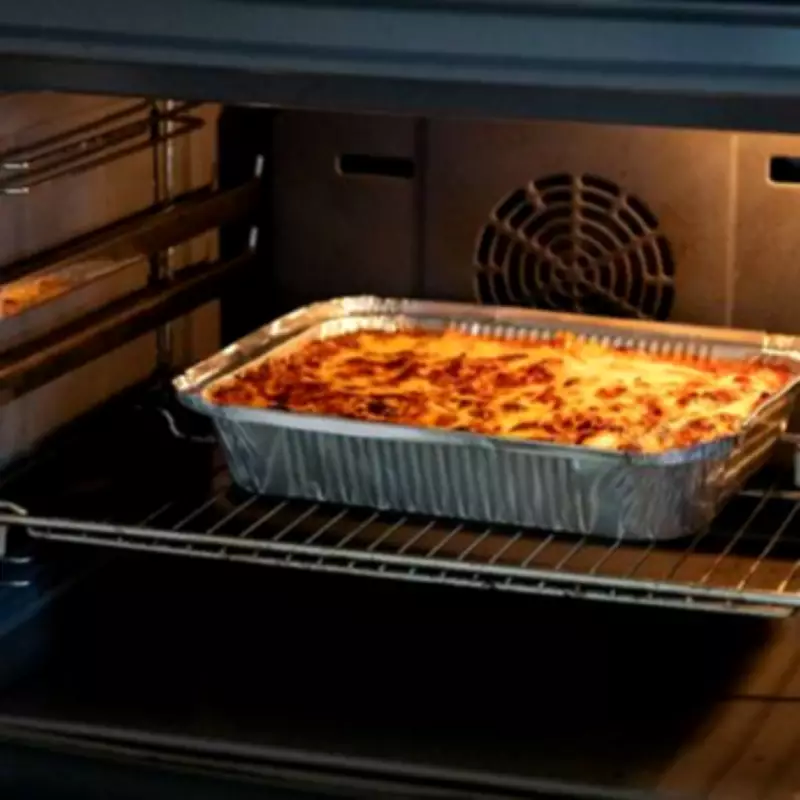
Cover the dish and refrigerate for six hours before cooking. When ready to bake, preheat the oven to 200°C (180°C for fan ovens) and cook for 45 minutes, or until the top is golden brown, the edges are bubbling, and the pasta sheets have softened completely. Serve hot, enjoying a dish that embodies decades of culinary refinement and family-friendly simplicity.