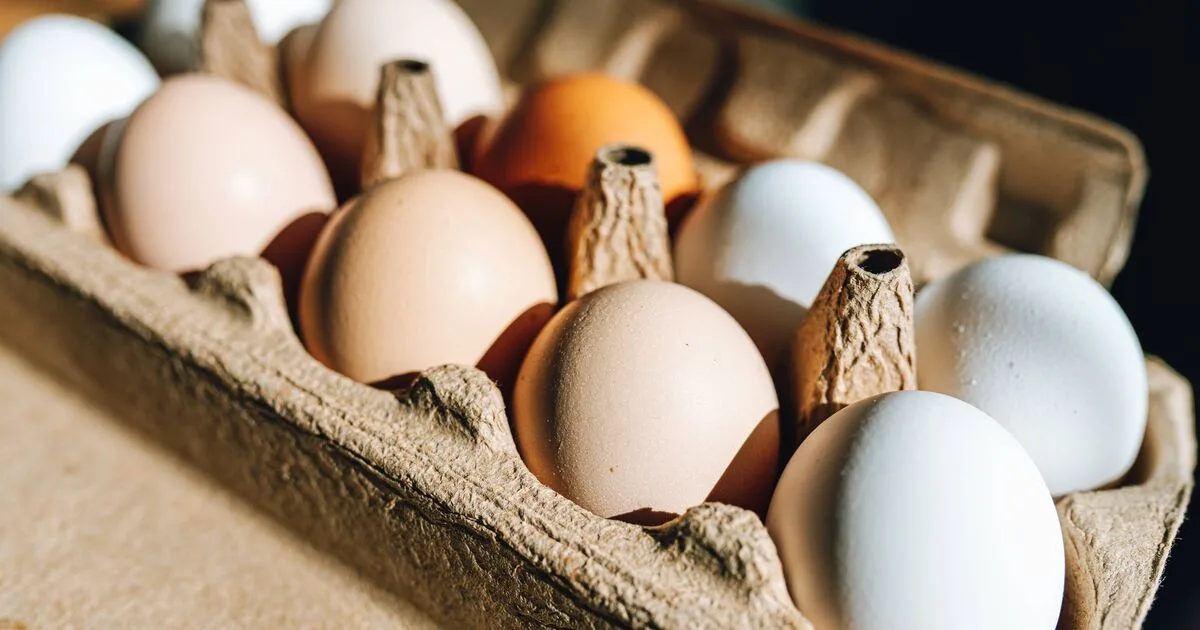
The debate over egg storage continues, but chef Dean Harper of Harper Fine Dining insists refrigeration is key—provided eggs are placed correctly. He recommends storing eggs in the main compartment of the fridge, not the door, to avoid temperature fluctuations that can accelerate spoilage.
Harper advises keeping the fridge at a steady 3–5°C. 'Warmer temperatures and frequent handling can speed up the decline of freshness,' he explains. The carton is also crucial: it prevents eggs from absorbing strong odours and shields them from light, which can hasten degradation.
Experts at British Lion Eggs agree, favouring simple cartons over decorative holders. Sophie Trueman of Too Good To Go notes that best-before dates indicate peak freshness, not safety. Eggs can still be used after this date if they pass a smell test—fresh eggs have a neutral scent, while a sulphurous odour signals spoilage.

Harper emphasises that small changes make a big difference: 'Sometimes the simplest steps are overlooked, yet they make all the difference in food quality.' By following these tips, eggs can stay fresh for weeks.