For those firmly in the savoury breakfast camp, eggs are a staple food item consumed regularly. Recently, a noticeable proliferation of 'golden' yolk varieties has appeared on supermarket shelves across the country. The colour of an egg yolk is determined primarily by what the chicken consumes during its life. A diet abundant in pigments known as xanthophylls results in deeper, more vibrant orange hues in the yolk.
The Science Behind Yolk Colour
Xanthophylls occur naturally in grass and various plants, leading many consumers to logically assume that golden yolks originate from 'healthier', free-range or outdoor-raised chickens. This assumption, while understandable, does not always reflect reality. While some chickens may naturally forage for these xanthophyll-rich foods in pasture environments, commercial poultry feed frequently incorporates added ingredients specifically to enhance yolk colouration.
Commercial Practices and Consumer Perceptions
Feed manufacturers often include marigold petals, paprika, and other colour-enhancing additives to achieve the desirable golden appearance that appeals to shoppers. However, these additives serve little purpose beyond influencing the visual aspect of the yolk. Extensive research and nutritional analysis reveal scarcely any discernible difference in flavour profile or nutritional value between pale-yolked and golden-yolked eggs.

Importantly, yolk colour alone provides minimal information about animal welfare standards. A deeply orange yolk does not necessarily indicate superior living conditions for the chicken, nor does it guarantee higher nutritional content for the consumer. The visual appeal has become a marketing tool rather than a reliable indicator of quality.
Personal Preference Versus Practical Reality
Despite understanding these facts, many consumers, including the author, continue to purchase golden-yolked eggs. The rationale is simple: they present a more visually appealing appearance on the plate. The psychological satisfaction derived from vibrant food colours often outweighs practical knowledge about their origin.
A Flavourful Breakfast Recipe
This week's featured breakfast recipe incorporates eggs prepared with an innovative twist. Frying eggs in harissa paste provides a substantial whack of spice and complex flavour dimensions. For those who find classic harissa too intensely fiery, Yotam Ottolenghi's pomegranate, rose and preserved lemon harissa offers a gloriously punchy and fragrant alternative with moderated heat levels.
Harissa Fried Eggs Preparation Method
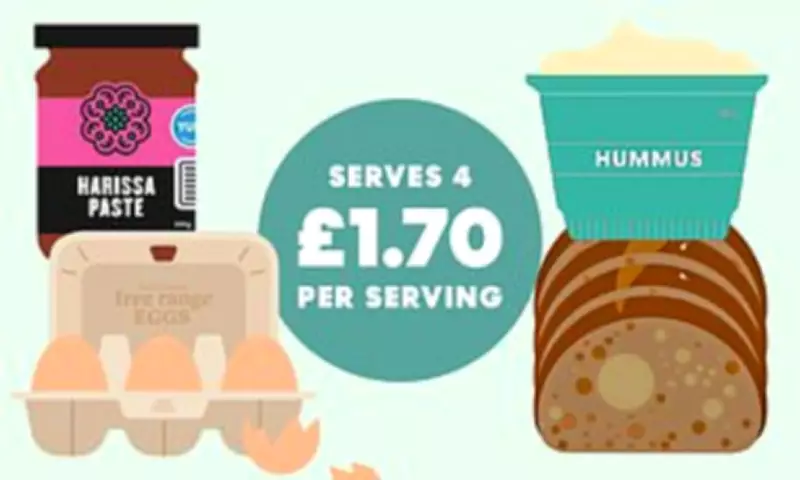
Ingredients: 4 eggs, 2 tablespoons harissa paste, olive oil, 2 slices rye bread, hummus, butter (optional), salt, pepper, mustard cress for garnish.
- Place a large frying pan over medium-high heat. Add a splash of olive oil followed by the harissa paste.
- Crack four eggs directly into the pan and fry until cooked to your preferred consistency. Cover with a lid briefly if you desire slightly set yolks.
- Meanwhile, toast the rye bread and apply a light butter coating if desired.
- Spread hummus generously onto the toasted bread.
- Carefully place the fried eggs atop the hummus layer.
- Season with salt and pepper to taste. Garnish with freshly snipped mustard cress for added freshness and visual appeal.
This preparation method transforms simple eggs into a flavour-packed breakfast experience, demonstrating how ingredient combinations can elevate everyday meals beyond their basic components.